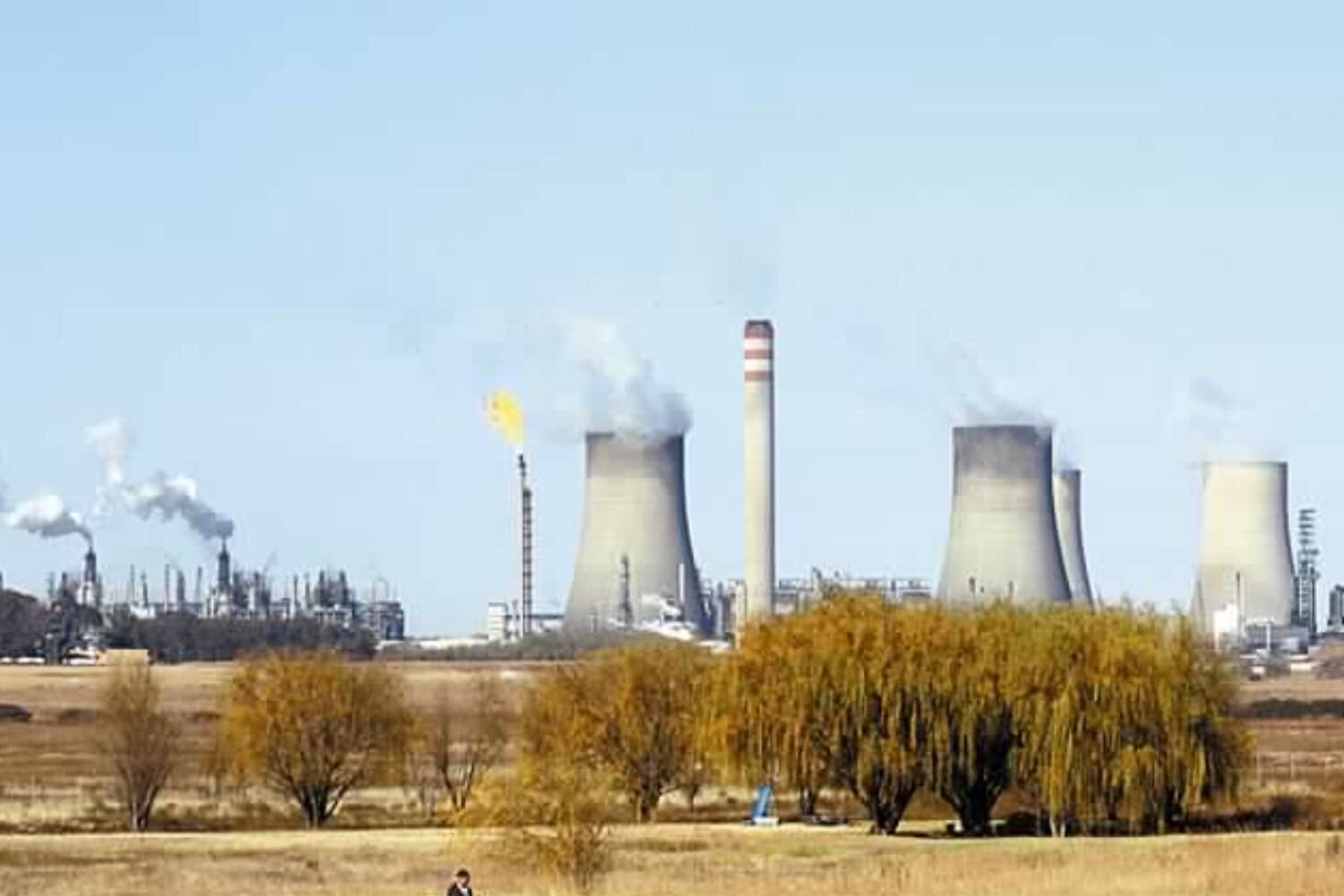
Residents across Sandton, Randburg, Roodepoort and Fourways have noticed a strong, rotten-egg-like sulphur odour, first detected on 16 January 2026 and recurring since Monday, 9 March.
The City of Johannesburg’s Environment and Infrastructure Services Department (EISD) initiated an investigation using its air quality monitoring network and reassured that the sulphur levels remain below concentrations typically associated with significant health risks.
The smell often triggers nausea or headaches, even when air quality levels remain within authorised limits.
What’s going on?
The City’s Air Quality Management Unit attributed the heightened, pungent smell to the recent weather fluctuations.
“Over the past two days, weather conditions in Johannesburg have been typical of late summer,
characterised by warm temperatures, humid air, and occasional rainfall,” it said on Wednesday.
Temperature inversions and specific wind patterns from the east or south-east can trap these plumes and carry them directly over the City of Ekurhuleni and the Johannesburg region.
The odour’s characteristics match emissions typically associated with activities in the Mpumalanga highveld industrial complex.
“The City is periodically affected by transboundary pollution sources,” it said.
This is not the first time Johannesburg residents have experienced the unsettling odour, with reports as recent as January.
CoJ has not yet ruled out a local source.
“The City’s Air Quality Management Unit continues to analyse air quality data and monitor dispersion patterns to better understand the origin and movement of the odour plume,” added Dr Modiba.
The City reassures that Joburg can’t be directly responsible for the smell as it “does not host major heavy industrial operations.”
The department of forestry, fisheries and the environment and the Gauteng department of environment have escalated the matter.
ALSO READ: Tshwane municipal wage deal finally signed
Stay inside
Residents should stay indoors and avoid strenuous outdoor activity while the pungent air persists.
Vulnerable groups, including children, the elderly and those with pre-existing respiratory conditions must monitor themselves closely for any health changes.
They must monitor for symptoms like eye or throat irritation, headaches, dizziness, or fatigue, as these often indicate a reaction to poor air quality.
ALSO READ: Anger at long blackouts across Pretoria
Sulphur levels in safe margin
Monitoring stations recorded elevated hydrogen sulphide (H₂S) levels at both Buccleuch and Alexandra.
“At the Alexandra station, H₂S concentrations peaked at approximately 36-37 parts per billion
(ppb), while sulphur dioxide (SO₂) peaked at around 52 ppb,” explained Dr Tebogo Modiba, EISD Executive Director.
Overall pollution concentrations aren’t increasing despite the data.
“While these short-term spikes were detected, overall pollutant concentrations remained generally low and close to background levels. The levels recorded are sufficient to produce a noticeable odour but remain below concentrations typically associated with significant health risks.”
NOW READ: This is why Pikitup are slow to collect your bins
About the Author