Despite being the third largest segment after passenger vehicles and exports, South Africa’s liking for light commercial vehicles failed to subside throughout 2025.
Reinforced by the Toyota Hilux having been the country’s best-seller for years, the segment never fails to feature within the overall 10 best-selling nameplates – the Hilux heading the Ford Ranger and the Isuzu D-Max.
Mirroring North America, South America and Australia, where bakkies top their best-sellers’ lists, 2026 will see a significant influx of new products from legacy brands, as well as from China, where the global importance of bakkies has seen many brands entering the lucrative space for the first time.
Both confirmed and known to be under investigation, The Citizen looks ahead to a number of models destined to arrive this year.
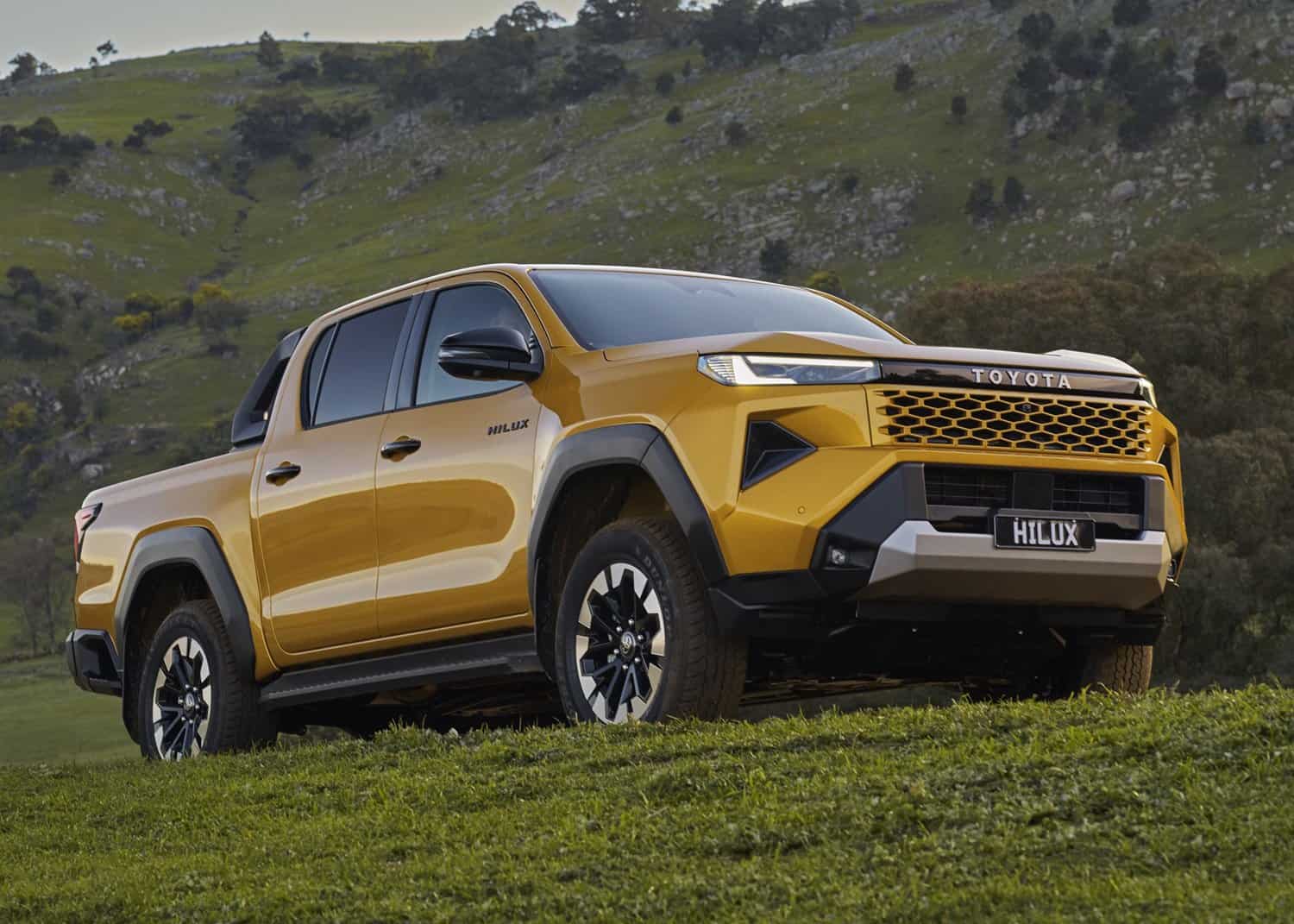
Toyota Hilux
Although still to be formally approved, the internally designated ninth generation Hilux is expected to receive confirmation soon, as arguably, the biggest and most important launch of the year.
ALSO READ: Wait over: Sharper new Toyota Hilux finally revealed
In effect a heavily updated version of the previous generation that debuted in 2015, the “new” Hilux receives not only a brand-new exterior, but also interior lifted directly from the Land Cruiser Prado.
Expect it to, once again, offer single, Xtra and double cab bodystyles, plus the sole availability of the 2.8 GD-6 engine with or without the 48-volt mild-hybrid system.
Ford Ranger
The Hilux’s arch rival, the Ranger will undergo a line-up restructuring involving the removal of the 2.0-litre bi-turbodiesel Panther engine, and introduction of the 2.3 EcoBoost petrol as its replacement
Although staying, the single turbo Panther will swap the timing belt for a chain and the six-speed automatic gearbox for the 10-speed that had been standard on the bi-turbo.
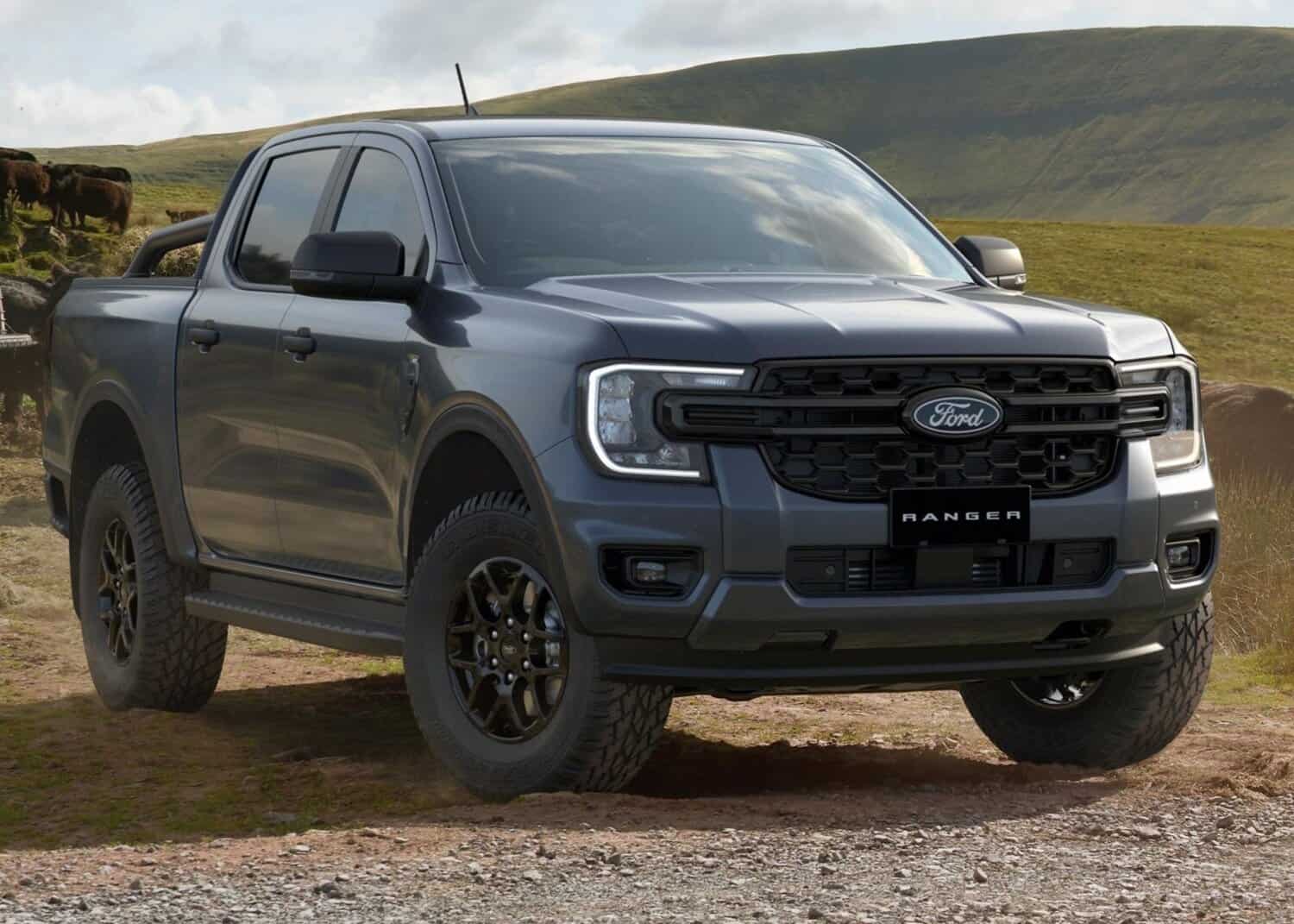
While the Raptor remains unchanged, the 3.0-litre Lion turbodiesel V6 engine will be availed to more derivatives as the four-wheel drive alternative to the rear-wheel drive only EcoBoost, including the new Sport trim grade.
No-nos are the locally made but export market-only Ranger plug-in hybrid and the Australia-bespoke Ranger Super Duty.
Isuzu D-Max
Shown back in 2023 in Thailand, the facelift D-Max is expected to make its long awaited arrival sometime next year, however, as with the Hilux, nothing has yet been confirmed.

Subtly reworked inside and out, the D-Max is set to retain the current 1.9 and 3.0-litre turbodiesel engines, despite the new 2.2 being under consideration pending improved fuel quality.
Nissan Navara
Despite the all-new Mitsubishi Triton-based model having been ruled-out, Nissan has approved a facelift version of the stalwart D23 Navara as part of its local market support pledge.

Set to be shown first in South America, where it carries the Frontier name, the updates will be applicable to the exterior and, dramatically, the interior.
While no further details are known, expect it to continue with the current YD25DDTI 2.5-litre turbodiesel engine as the sole option.
Volkswagen Amarok
Shown at the Kyalami Festival of Motoring last year, the Volkswagen Amarok will take ownership of the same 2.3 EcoBoost engine as its Ford Ranger stablemate, producing an identical 222kW/452Nm.
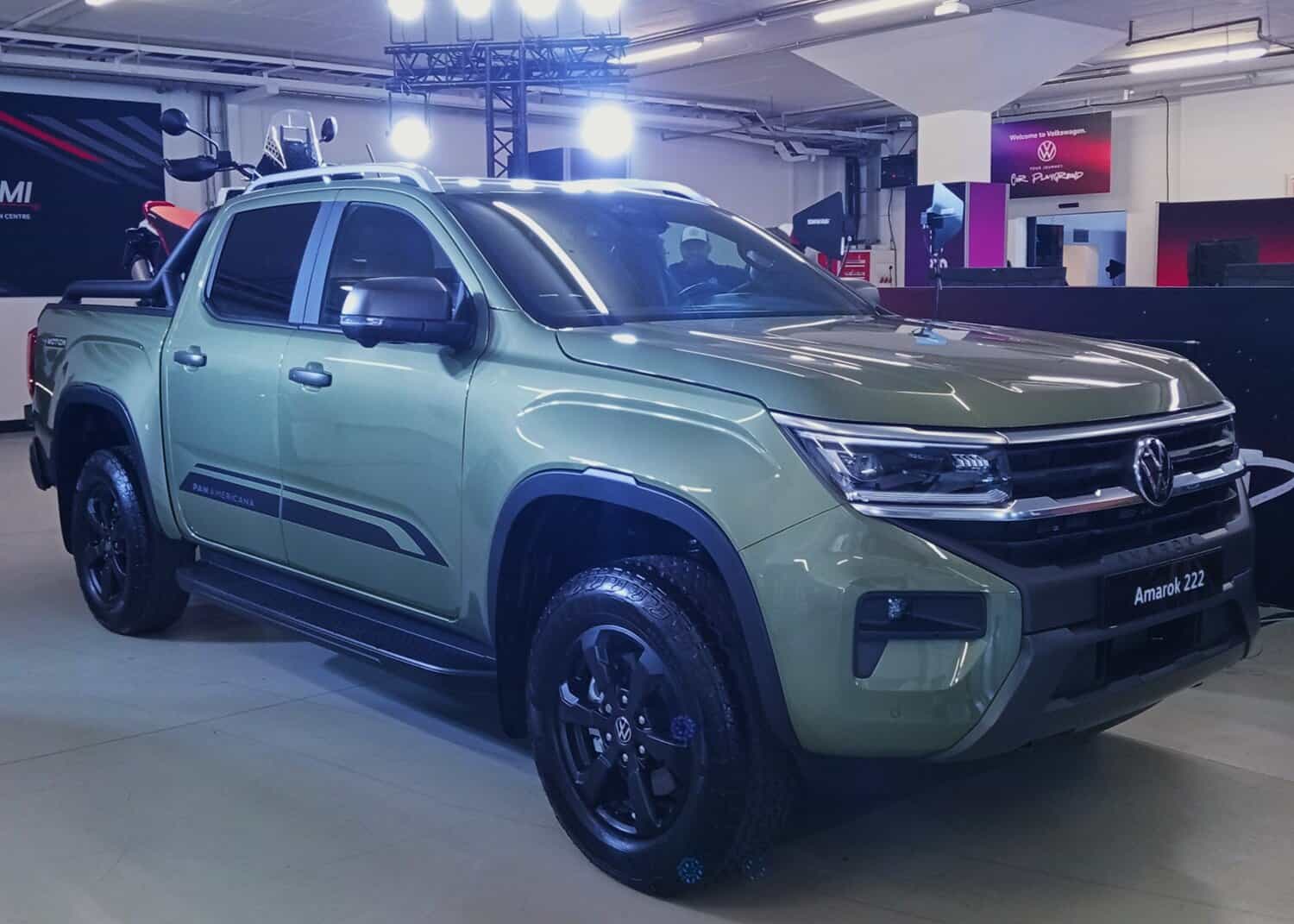
Unlike the Blue Oval’s version though, the Amarok will have four-wheel drive as standard.
Meanwhile, the dropping of the 2.0-litre bi-turbodiesel in the Ranger could be expanded to the Amarok, though, nothing has yet been set in stone.
Chery Himla
With rival Great Wall Motors (GWM) not expected to revise its P Series range this year, the arrival of the Chery Himla, arguably, presents the biggest highlight of the year after the Hilux.
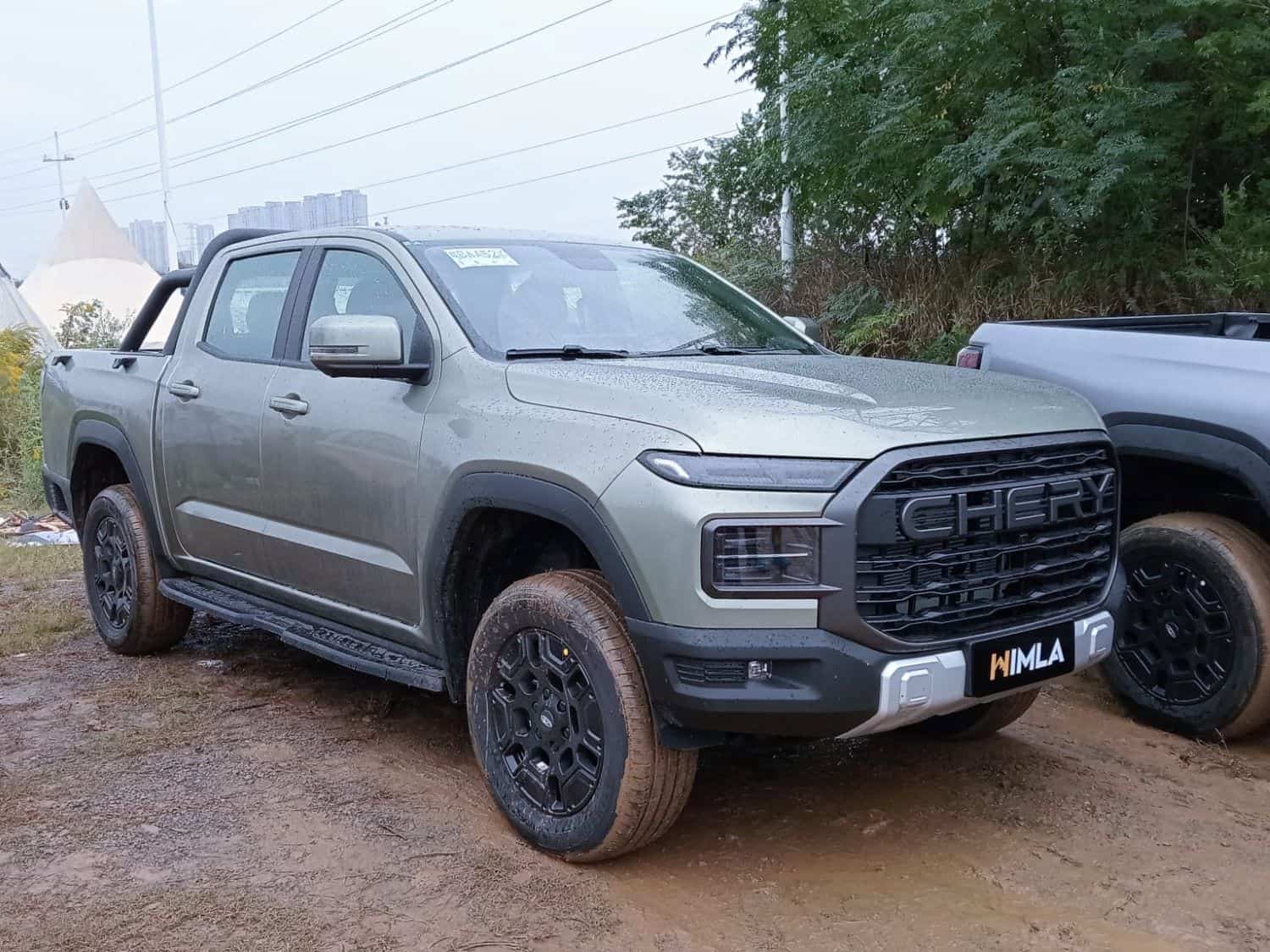
Shown to international media on two occasions last year, little to no details have so far been confirmed for export markets.
Jeep Gladiator
Following in the wheel tracks of the facelifted Wrangler, the restyled Gladiator will go on-sale later this year powered by the 3.6-litre Pentastar V6 petrol engine only.
JMC Grand Avenue
Following its return at the end of December with the Vigus, Jiangling Motors Corporation, better known by its abbreviation JMC, will launch the upscale Grand Avenue as its rival for the GWM P500.
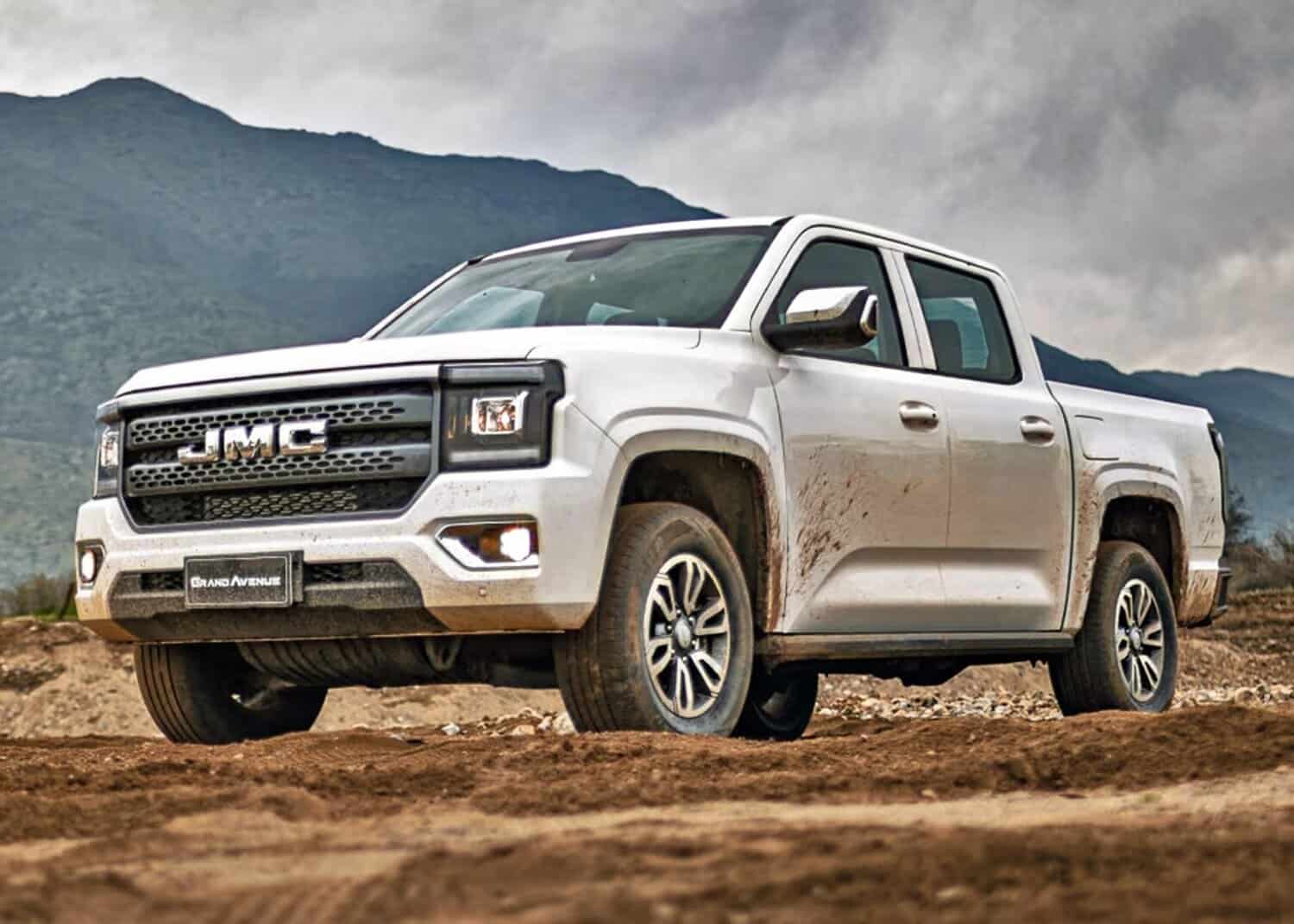
Sold by the brand’s Dadao division in China, the Chevrolet Silverado-aping Grand Avenue will leverage JMC’s partnership with Ford and feature two engines: the 2.3-litre EcoBoost petrol developing 190kW/450Nm, and an enlarged 2.3-litre version of the 2.2-litre Puma turbodiesel pumping out 130kW/450Nm.
JAC T9 PHEV
Supposed to have arrived last year, JAC will finally launch the plug-in hybrid T9 as the nation’s only other partial electric bakkie behind the BYD Shark.
Changan Nevo E07
Having become the first brand to launch a range-extending electric bakkie in South Africa with the Hunter REEV, Changan will expand its portfolio with the introduction of a fully electric option.

While not officially detailed, the newcomer could potentially be the Nevo E07, which utilises a unibody platform and comes with a sloping roofline and a central mid-gate loading area similar to the long discontinued Chevrolet Avalanche.
In China, propulsion comes from an 89.9-kWh battery pack making 252kW/365Nm single motor form, and 440kW/645Nm in the case of the dual-motor all-wheel drive.
Unknown
Elsewhere, uncertainties include the twin-turbocharged version of the Mitsubishi Triton that had been expected to go on-sale last year, as well as the Kia Tasman, which had also been tipped for market launch in 2025, but never materialised on the back of poorer than expected sales in Australia.
Following the launches of the Foton Tunland V-Series, BYD Shark and LDV Terron 9, the only other uncertainty is production version of the Mahindra Global Pick Up, as well as sales of the Riddara RD6 now that parent company, Geely, looks set to take over distribution from Enviro Automotive.
NOW READ: Updated Ford Ranger line-up revealed ahead of 2026 launch
About the Author