The DA plans to urgently engage with the Minister of Water and Sanitation over the alarming deterioration in water quality at the Vaal Dam.
This follows an oversight visit that revealed significant contamination concerns.
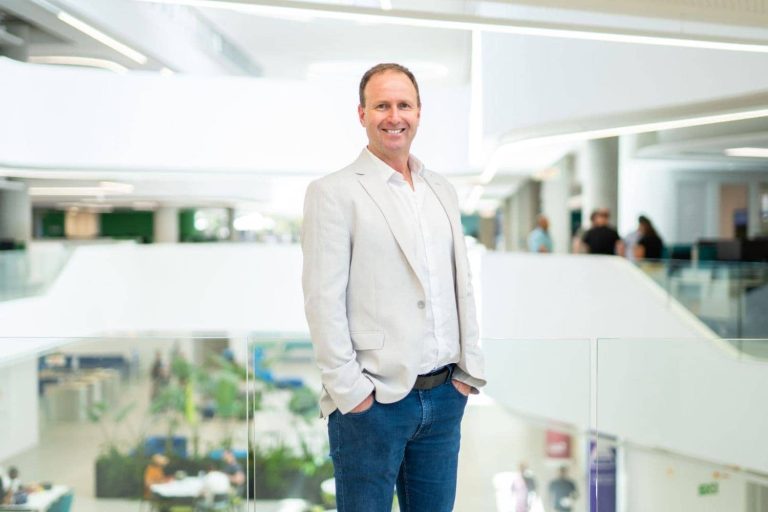
Dr Igor Scheurkogel MP and the DA’s NCOP spokesperson on water and Ssanitation, announced on Tuesday that the party would be raising these issues with the minister and the department after observing disturbing changes to the dam’s water during a recent inspection.
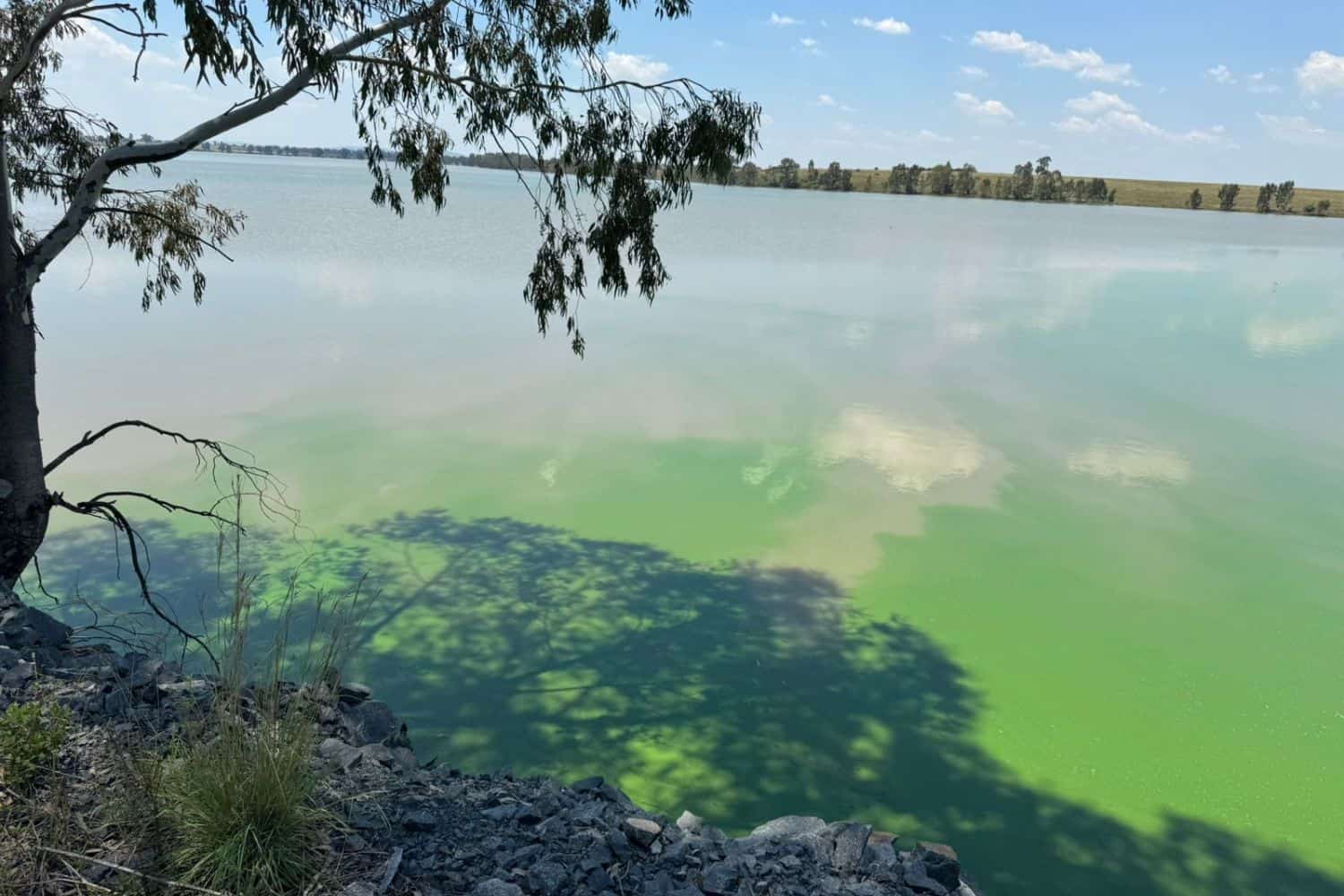
Green water signals contamination
During an oversight visit to Oranjeville in the Metsimaholo local municipality, the party inspected the Magrieta Prinsloo bridge on the R716 and made concerning observations regarding the dam’s condition.
“We observed that sections of the Vaal Dam had turned a greenish colour. This discolouration indicates contamination,” said Scheurkogel.
Scheurkogel said that previous oversight visits had uncovered a troubling source of pollution affecting the dam.
He further said that raw sewage from the Metsimaholo sewer network was discharging directly into the dam due to neglected infrastructure, raising serious public health concerns for communities that depend on the water source.
Watch: Dirty/ Brown water allegedly coming from contaminated Vaal Dam into people’s taps
Official water quality data shows elevated contamination levels
Rand Water’s weekly quality report for the Vaal Barrage Reservoir, dated 4 February 2026, reveals concerning levels of contamination at several sample points across the dam.
The report shows varying levels of E.coli bacteria, blue-green algae and algal pigments at 10 monitoring points along the reservoir.
The E.coli counts per 100ml at sample points ranged from as low as 3 to as high as 141 360.
The Vaal River, recorded five counts last week. Meanwhile, Suikerbosrant recorded 579, up from 387 the previous week. Klip River recorded 14 670, also an increase from 13 540 last week.
Blue green algae levels also varied significantly across the reservoir. The Vaal river recorded 7 522 cells per ml, up from the previous week’s 6 838. Suikerbosrant and Klip River both recorded <40 cells per ml, an increase from 121 and 362, respectively.
However, it is not immediately clear if these increases are because of the reported contamination of the dam. Further oversight and water testing in the area are expected next week.
The Citizen reached out to Rand Water for comment. This article will be updated once a response is received.
Treatment plant chemical shortages compound crisis
The contamination concerns are particularly alarming given that the Metsimaholo local municipality abstracts water from the Vaal Dam for treatment and distribution to Oranjeville.
However, recent inspections have revealed critical deficiencies in the water treatment process.
Speaking about the most recent oversight visit conducted with councillor Louis van Heerden, Scheurkogel confirmed that the water treatment plant lacks sufficient chemicals to purify the water.
He emphasised that sections 3 and 11 of the Water Services Act 108 of 1997 place the responsibility for water supply and sanitation on municipalities under the constitution.
“The failure to provide safe drinking water is unacceptable. It may infringe on residents’ constitutional rights to access sufficient water and to an environment that is not harmful to health,” Scheurkogel said.
ALSO READ: Here’s what level the Vaal Dam stands at this week
Independent testing planned
The DA has committed to conducting independent analysis to determine the full extent of the contamination.
Scheurkogel indicated that water samples from the Vaal Dam would be sent for independent laboratory testing to identify the source of contamination and that a comprehensive oversight visit around the dam would be conducted to pinpoint where pollutants are entering the watercourse.
Scheurkogel provided additional details about the contamination evidence. “Because residents have reported and my oversight have seen sewage being spilled in the dam, furthermore running water should not form these kind of algae,” he told The Citizen.
He noted that the oversight visit took place last Wednesday, 4 February, and described the unusual water colour changes.
“Honestly, no specific methodology, but through my experience on water oversight, it is unnatural for water to go from brown to purple,” Scheurkogel said.
The spokesperson confirmed that follow-up testing would be conducted. “This will be resubmitted to another independent laboratory next week 19 February to confirm the content of the water as we used quick tests,” he said.
Sewage discharge confirmed by residents
Scheurkogel emphasised that the sewage problem has been verified through multiple sources and represents an ongoing violation of environmental regulations.
He explained that he personally inspected the water treatment plant during the oversight visit and found critical gaps in quality monitoring.
“The municipality cannot provide the water quality testing that needs to be done regularly and when we visited the water treatment plant, they could not provide the test results of water quality,” Scheurkogel said.
He acknowledged limitations in the current inspection, noting that equipment constraints prevented comprehensive coverage.
He added that previous oversight visits to Villiers had documented untreated water flowing into the Vaal Dam, as well as sewage flowing from Frankfort into the Wilge river, which subsequently flows into the Vaal.
National water infrastructure crisis
The contamination at the Vaal Dam reflects broader challenges facing South Africa’s water and sanitation infrastructure, according to water quality experts. Dr Ferrial Adam of WaterCan provided context on the scale of the national crisis affecting both water quality and quantity.
“I think that some of the critical challenges we have are that both its quality and quantity are affected. So we know that our wastewater treatment plants are in a critical state and we know that our water treatment plants are in a critical state,” Adam explained.
She outlined the alarming national statistics. “So what that means is that across the country, half of our drinking water systems are not fit for drinking and almost 60-70% of the wastewater treatment works are critical and spewing sewage into our rivers and streams. That is the first part,” Adam said.
Furthermore, Adam identified decades of infrastructure neglect as the root cause of the current crisis.
“The second part of the critical water challenges is the fact that for decades, the country as a whole has ignored maintenance on pertinent infrastructure, like reservoirs, pump stations and water pipes, and sanitation pipes. And so that is the challenge we have right now,” she said.
READ NEXT: Ramaphosa urged to prioritise water crisis in State of the Nation Address
About the Author