US lawmakers are demanding clarity from the Trump administration after reports alleged that Defence Secretary Pete Hegseth ordered a follow-up military strike to kill survivors of an initial attack on a suspected Venezuelan drug-smuggling vessel.
The Washington Post reported on Friday that a US strike on 2 September destroyed a boat in the Caribbean, leaving two survivors. According to the report, a Special Operations commander then ordered a second strike to comply with what was described as Hegseth’s spoken directive to “kill everybody” on board.
Hegseth dismissed the story as “fake news,” while President Donald Trump publicly backed him, saying he believed the defence secretary “a 100%”. Still, the allegation has triggered bipartisan concern in Congress, with lawmakers warning the claim, if true, raises serious legal and ethical questions.
Republican-led committees overseeing the Pentagon have vowed “vigorous oversight” into a series of US maritime strikes in international waters off Venezuela and Colombia. The strikes form part of a stepped-up American anti-narcotics campaign that has expanded the US military presence in the Caribbean. More than 80 people have been killed in these operations since early September.
The Trump administration insists the campaign is lawful and defensive, targeting boats carrying illegal drugs bound for the United States. The Washington Post report, however, has intensified scrutiny of the rules of engagement.
Appearing on Sunday talk shows, both Republican and Democratic lawmakers said they did not yet know whether the reported second strike occurred, but stressed that killing survivors would violate domestic and international law.
Democratic Senator Tim Kaine warned on CBS Face the Nation: “This rises to the level of a war crime if it’s true.”
Republican congressman Mike Turner, former chair of the House Intelligence Committee, echoed the concern, saying Congress lacked evidence that a follow-up strike happened but agreed such an action would be “very serious” and “illegal.”
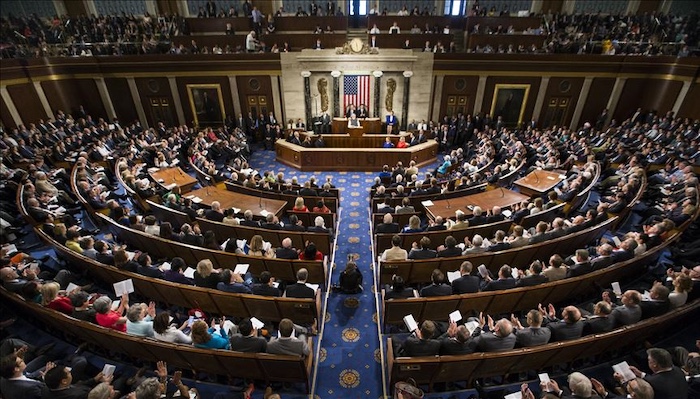
The Senate Armed Services Committee, led by Republican Roger Wicker and Democratic Senator Jack Reed, confirmed it had directed formal inquiries to the Pentagon. The House Armed Services Committee also declared it was taking “bipartisan action” to obtain a full account of the operation.
Hegseth, in a post on X, rejected the accusations as “fabricated, inflammatory, and derogatory,” insisting the strikes were “lawful under both US and international law.” He claimed every trafficker targeted is linked to a “Designated Terrorist Organisation.”
Speaking aboard Air Force One, Trump said the administration would “look into” the matter, adding he “wouldn’t have wanted” a second strike.
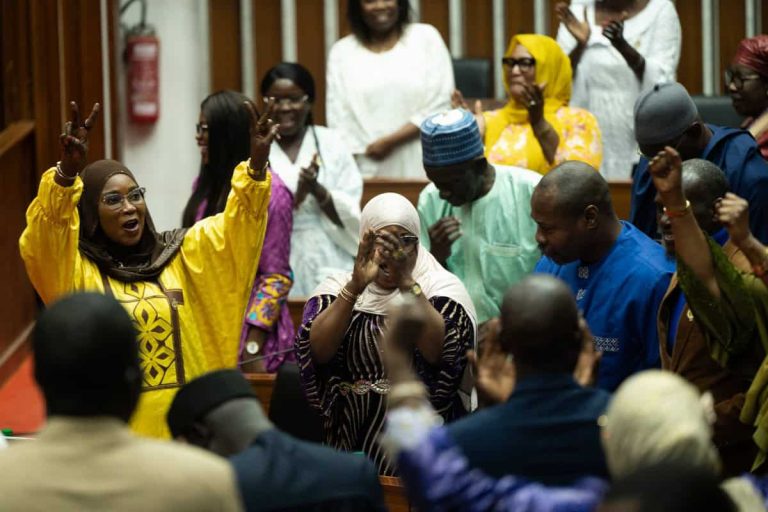
Venezuela’s National Assembly condemned the attacks and said it would conduct its own investigation, accusing Washington of escalating regional tensions to destabilise the Maduro government.
International law experts note that while the US is not a signatory to the UN Convention on the Law of the Sea, its military legal advisers traditionally recommend acting in line with its provisions. Those rules restrict the use of lethal force on vessels in international waters except under narrow circumstances, such as during legitimate “hot pursuit.”
Professor Luke Moffett of Queen’s University Belfast recently explained that force may be used to stop a vessel, but non-lethal measures are generally required, making the allegations of a second lethal strike particularly serious.
Erizia Rubyjeana
About the Author