The United States has moved to impose targeted sanctions — including visa bans and asset freezes — against individuals and groups accused of religious freedom violations in Nigeria, under newly proposed legislation titled the Nigeria Religious Freedom and Accountability Act of 2026.
On Tuesday, U.S. Congressman Riley Moore (R–West Virginia) announced via X that he had introduced the bill alongside co-sponsor Rep. Chris Smith (R–New Jersey).
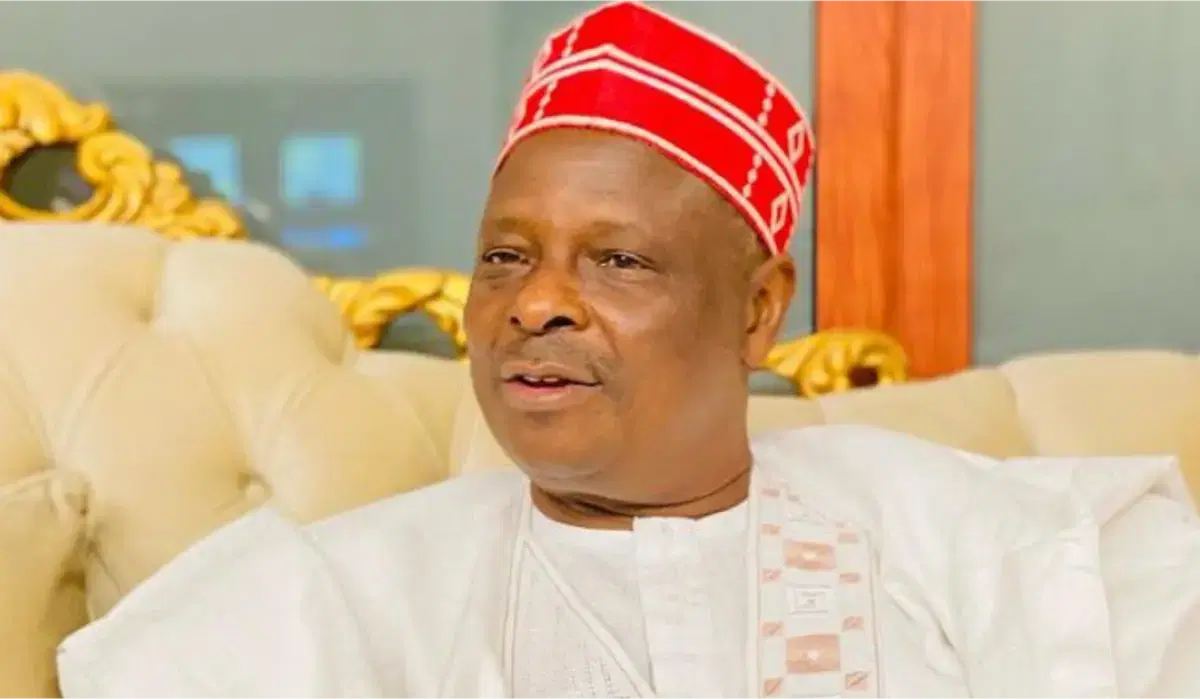
The legislation specifically names former Kano State Governor Rabiu Musa Kwankwaso, as well as Fulani-ethnic nomadic militias and associations including the Miyetti Allah Cattle Breeders Association of Nigeria (MACBAN) and Miyetti Allah Kautal Hore.
According to the text of the bill, the U.S. Departments of State and Treasury would be directed to impose sanctions under the Global Magnitsky Human Rights Accountability Act on individuals and entities found responsible for religious freedom abuses. The proposed measures include visa restrictions and the freezing of U.S.-based assets.
The bill states in part that: “The United States should deliver humanitarian assistance, co-funded by the Government of Nigeria, through trusted faith-based and nongovernmental organisations in Nigeria’s Middle Belt states; the Department of State and the Department of the Treasury should impose targeted sanctions, including visa bans and asset freezes under the Global Magnitsky Human Rights Accountability Act, on individuals or entities responsible for religious freedom violations…”
In addition, the legislation directs the U.S. Secretary of State to assess whether certain Fulani militias meet the criteria for designation as Foreign Terrorist Organizations under U.S. law.
Announcing the bill, Moore wrote on X: “Today, I am proud to introduce the Nigeria Religious Freedom and Accountability Act of 2026 with Rep. Chris Smith. The U.S. is a Christian nation. As such, we must stand with persecuted Christians around the world. Our legislation will build upon the momentum of President Trump designating Nigeria as a Country of Particular Concern and the recent U.S.-Nigeria security framework agreement.”
Moore said the proposal strengthens prior U.S. actions, including Nigeria’s designation as a “Country of Particular Concern” for severe violations of religious freedom and the recently concluded bilateral security framework agreement between Washington and Abuja.
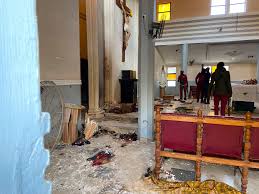
Tensions over religious freedom in Nigeria have intensified amid persistent violence in the country’s Middle Belt and northern regions, where armed groups have been accused of targeting vulnerable communities.
In late 2025, President Donald Trump redesignated Nigeria as a “Country of Particular Concern,” citing allegations of systematic religious persecution — particularly against Christian communities.
The Nigerian government has rejected that characterisation, maintaining that the country’s security crisis is complex and driven by criminality, insurgency, and communal conflict rather than a religious war.
The deteriorating security landscape has also drawn direct U.S. military involvement. In December 2025, American forces conducted coordinated airstrikes against Islamic State-linked militants in northwest Nigeria, marking an escalation in counterterrorism cooperation and intelligence-sharing between the two nations.
The proposed legislation now sets the stage for heightened diplomatic, economic, and potentially security consequences as Washington signals a tougher stance on religious freedom violations in Nigeria.
About the Author