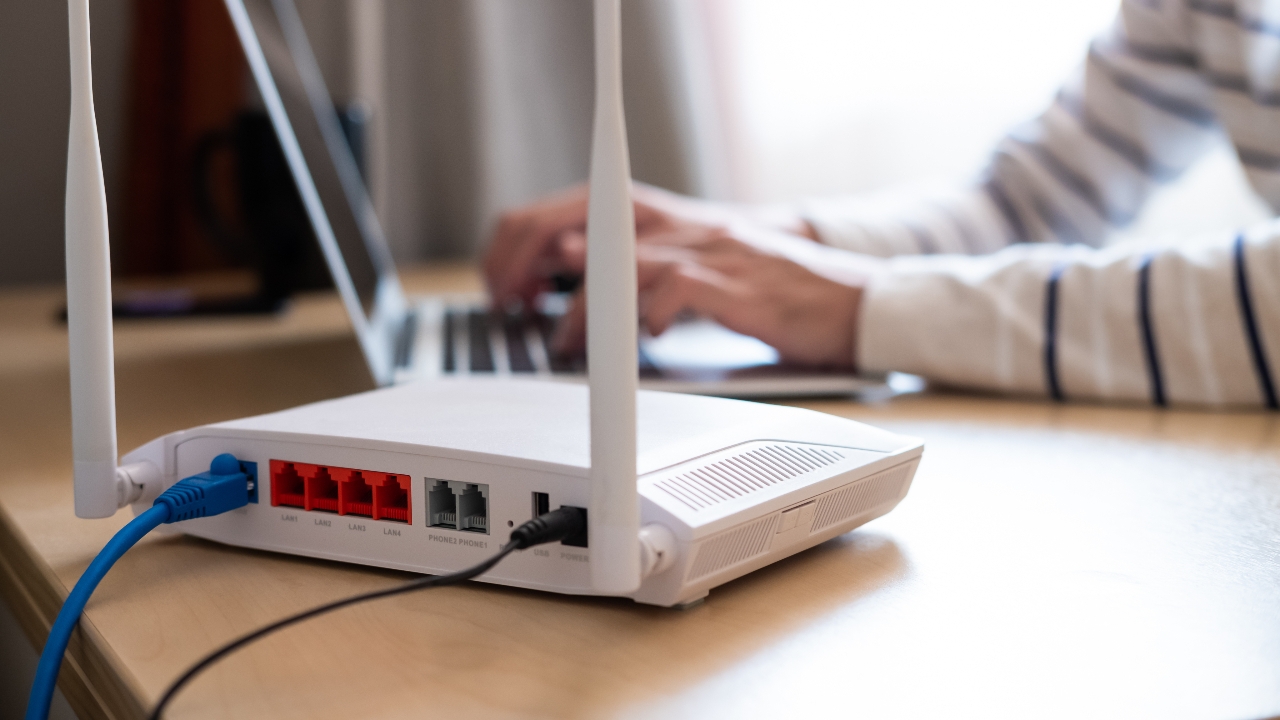
The United States has moved to ban new foreign-made consumer internet routers, citing growing national security risks linked to cybersecurity threats and potential espionage. The decision, announced by the Federal Communications Commission, adds routers to a list of restricted equipment previously expanded to include foreign-made drones.
According to the FCC, the move follows mounting evidence that vulnerabilities in overseas-manufactured routers have been exploited by malicious actors to infiltrate networks, conduct surveillance, and disrupt critical infrastructure. While existing devices will remain in use, the restriction applies to all new models manufactured outside the US, which must now undergo strict approval processes before being sold in the country.
The policy comes amid heightened scrutiny of foreign technology firms, including TP-Link, a China-based brand that has faced concerns following a series of cyberattacks. US authorities have linked several major cyber incidents—known as Volt, Flax, and Salt Typhoon—to actors associated with the Chinese government, underscoring fears that routers could serve as entry points for large-scale attacks.
Under the new rules, manufacturers seeking to sell foreign-made routers in the US must disclose ownership structures, including foreign influence, and outline plans to shift production domestically. Certain exemptions may be granted if devices are cleared by agencies such as the Department of Defense or Department of Homeland Security.
The ban highlights broader concerns about the security of global supply chains, particularly as most routers are currently produced outside the US, including by American companies like Netgear. One notable exception is the router produced by SpaceX’s Starlink, which is manufactured in Texas.
Officials say the measure is aimed at safeguarding American households and infrastructure, as authorities warn that cyber threats linked to foreign-made devices could have far-reaching consequences for national security.
Melissa Enoch
About the Author