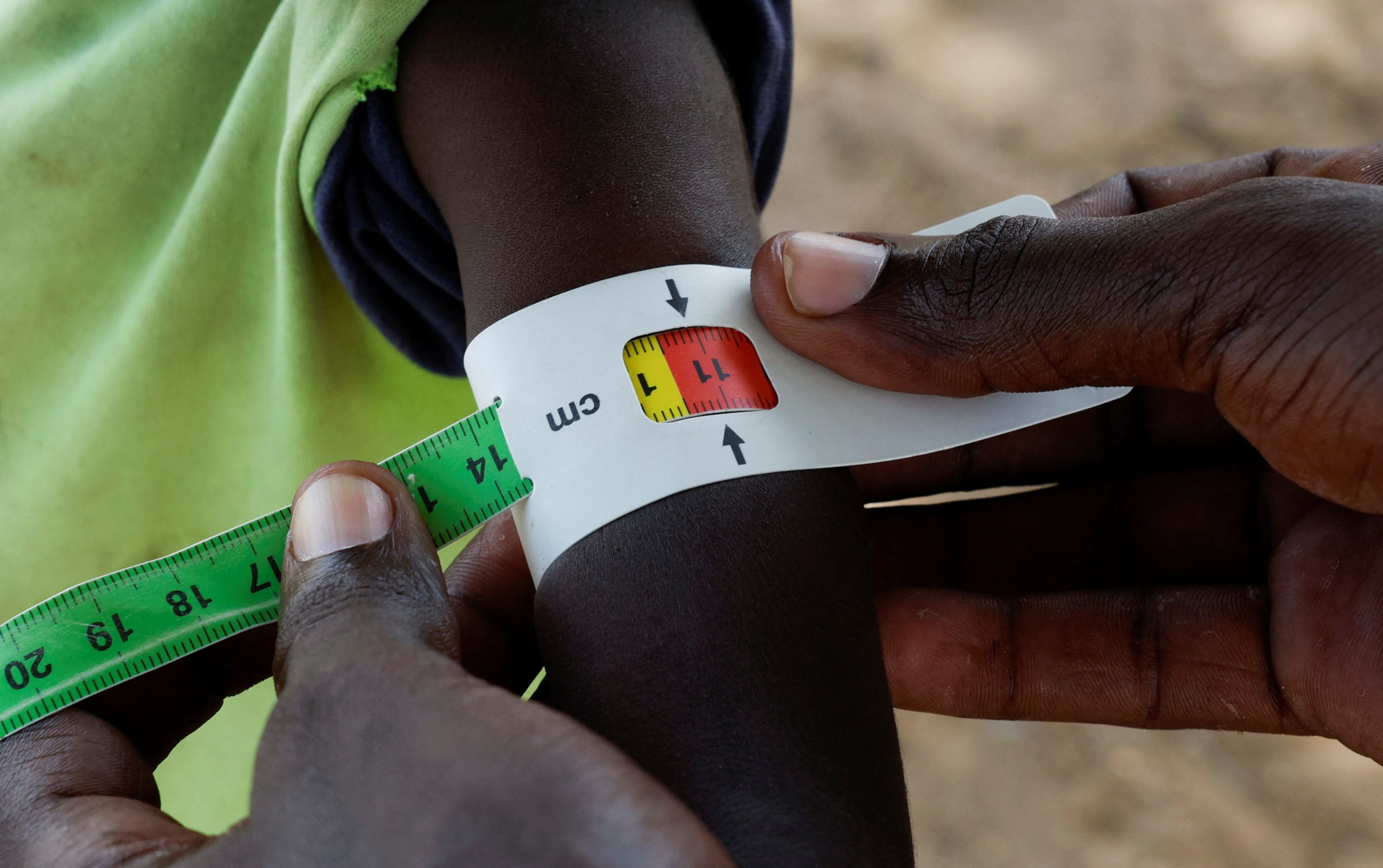
Hellen Etiman, a Kenyan pastoralist, believed her severely malnourished son would soon recover after starting a course of life-saving specialised food.
Instead, 4-year-old Peter Lokoyen relapsed in July when the health facility treating him ran out of supplies, leaving the family to rely on wild fruit foraged in the barren plains of Turkana county, in the country’s northwest.
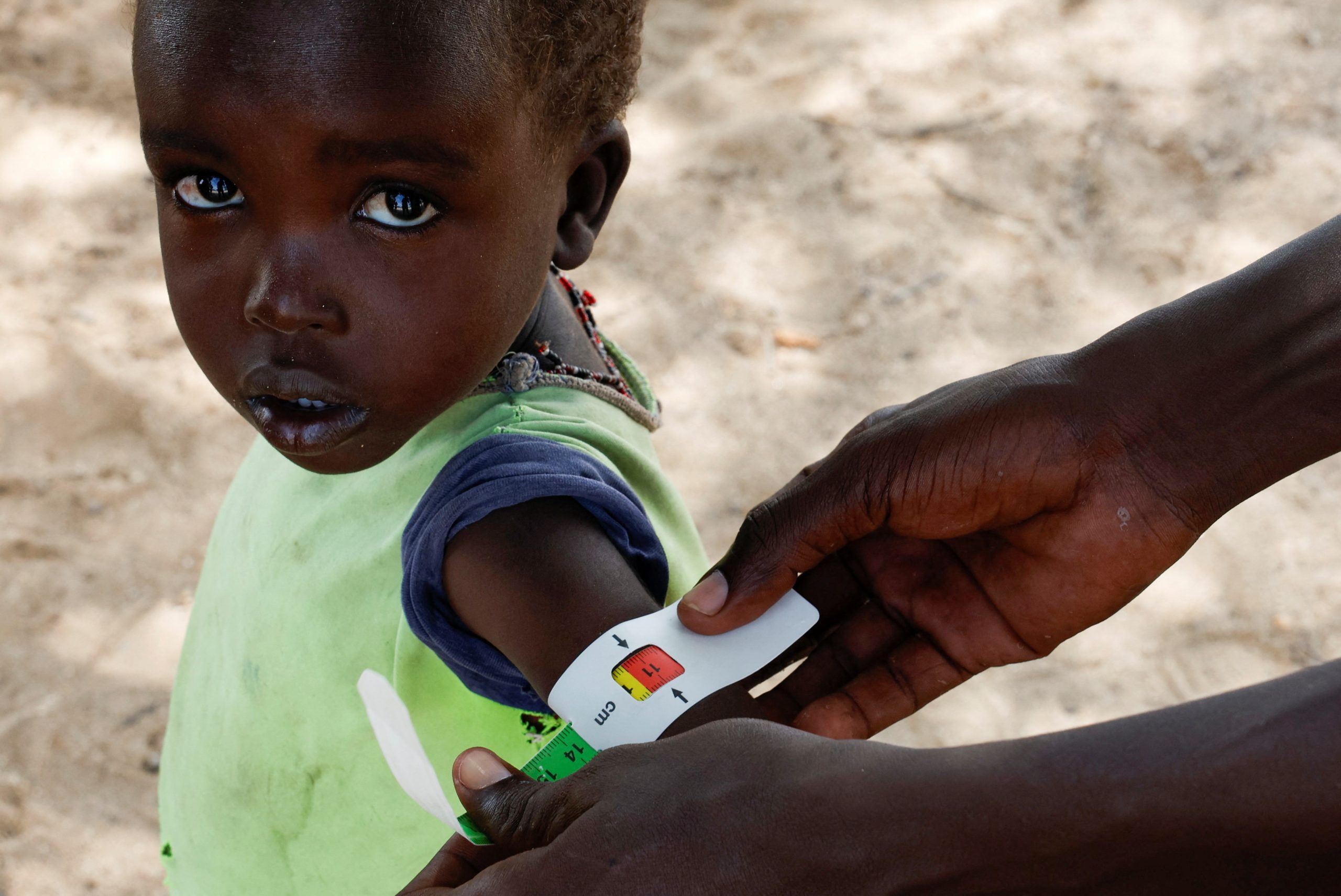
By late October, he weighed 11.4 kg (25.13 lb) – a third less than the median for boys his age listed by the World Health Organization – and measured just over 87 cm (2.85 ft). His 20-month-old sister, Melvine, was nearly as tall as he was.
President Donald Trump’s decision to dismantle the US Agency for International Development and slash global aid programmes severed a lifeline for children like Peter, five current and former aid officials told Reuters.
The US agency was funding the purchase and distribution of roughly half the world’s supply of ready-to-use therapeutic food (RUTF), a nutrient-dense, peanut-based paste used to treat children with the most lethal form of undernourishment, known as severe acute malnutrition or wasting.
UNICEF, the world’s largest buyer and distributor of RUTF, said drought was increasing demand for the nutritious paste in parts of Kenya, while funding cuts for community outreach to screen for malnutrition meant children were reaching health facilities in more critical condition.
Most of its funding for RUTF supplies was restored in March, the UN children’s agency told Reuters, saying shortages at some facilities were related to “short-term operational issues”.
EMPTY CLINIC SHELVES
However, health workers and aid officials in Turkana said it was taking time for the supply pipeline to recover.
At the end of October, Reuters journalists found shelves were largely empty of the peanut paste at all seven clinics they visited in the county, where recurring drought, intermittent conflict between feuding pastoralists and a recent locust infestation are driving hunger.
Kenya is East Africa’s most advanced economy and a refuge for people fleeing conflicts including in Somalia and Sudan.
“If this can happen in Kenya, it raises serious concerns about what’s ahead for countries already facing greater instability,” said Melaku Yirga, Africa director at Mercy Corps, a US-funded non-profit.
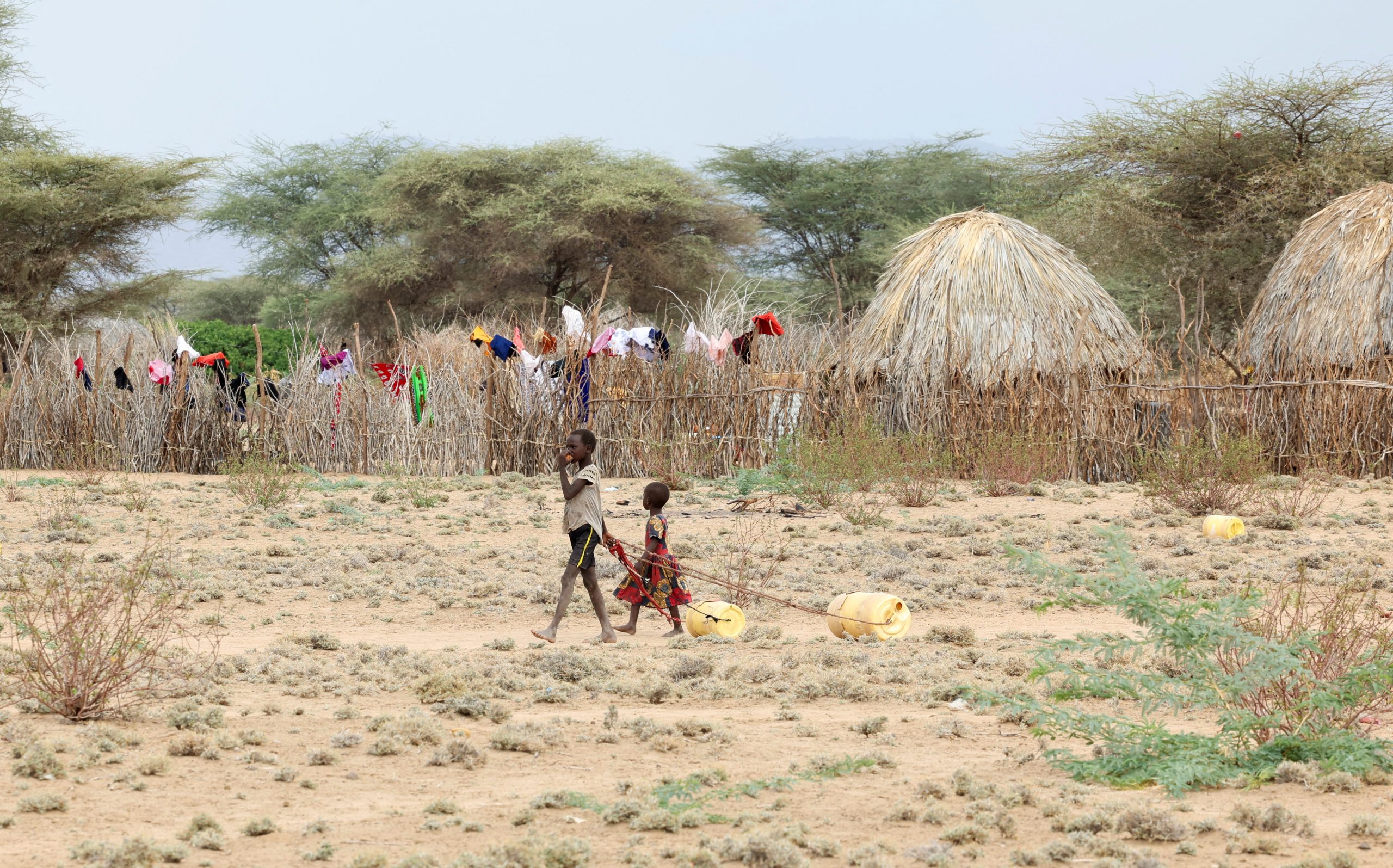
UNICEF recently delivered supplies to four of the facilities visited by Reuters, and three are awaiting deliveries from government-run aid hubs, the UN children’s agency said in a statement to Reuters.
But for some children, help may be too late to avoid lifelong physical and cognitive damage, Yirga said.
“When a severely malnourished child goes months without RUTF, the health consequences can be severe and sometimes irreversible — stunted growth, weakened immunity, impaired brain development,” he said.
“These treatment gaps don’t just slow recovery — they put children’s lives in real danger, and for some, by the time treatment resumes, the window for saving their lives may have already closed.”
Aid groups including Mercy Corps and Action Against Hunger have reported a handful of deaths among malnourished children whose parents were unable to access treatment in Democratic Republic of Congo and Nigeria when US-funded programmes were halted following Trump’s Jan. 20 executive order suspending foreign assistance pending a 90-day review.
Trump has said the US pays disproportionately for foreign aid, and he wants other countries to assume more of the burden. Britain, France, Germany, the Netherlands and Sweden have also scaled back aid in recent years to focus on domestic priorities.
US Secretary of State Marco Rubio has repeatedly denied anyone died as a result of the US cuts.
Responding to questions from Reuters, the US State Department said Washington is addressing global malnutrition and food insecurity, including supporting life-saving interventions for children with severe acute malnutrition.
In August, the department announced it would provide an additional $93 million to UNICEF to procure and distribute RUTF for nearly a million children in 13 countries, including Kenya.
“Our support is intended to enable Kenya and partners to meet their needs, not replace local and regional responsibility,” the department said. “Progress hinges on leadership and investment from Kenyan and regional authorities and other contributors.”
Kenya’s health ministry did not comment on the State Department’s remarks or the impact of aid cuts on efforts to fight malnutrition.
UNPRECEDENTED SHORTAGES
Around 179,000 people are experiencing emergency levels of hunger in Kenya, most of them concentrated in four arid counties, including Turkana, according to the Integrated Food Security Phase Classification system, the main global hunger monitor.
It estimated in September that over 87,200 children under 5 would need treatment for acute malnutrition in Turkana alone between April 2025 and March 2026, including 17,000 with severe wasting.
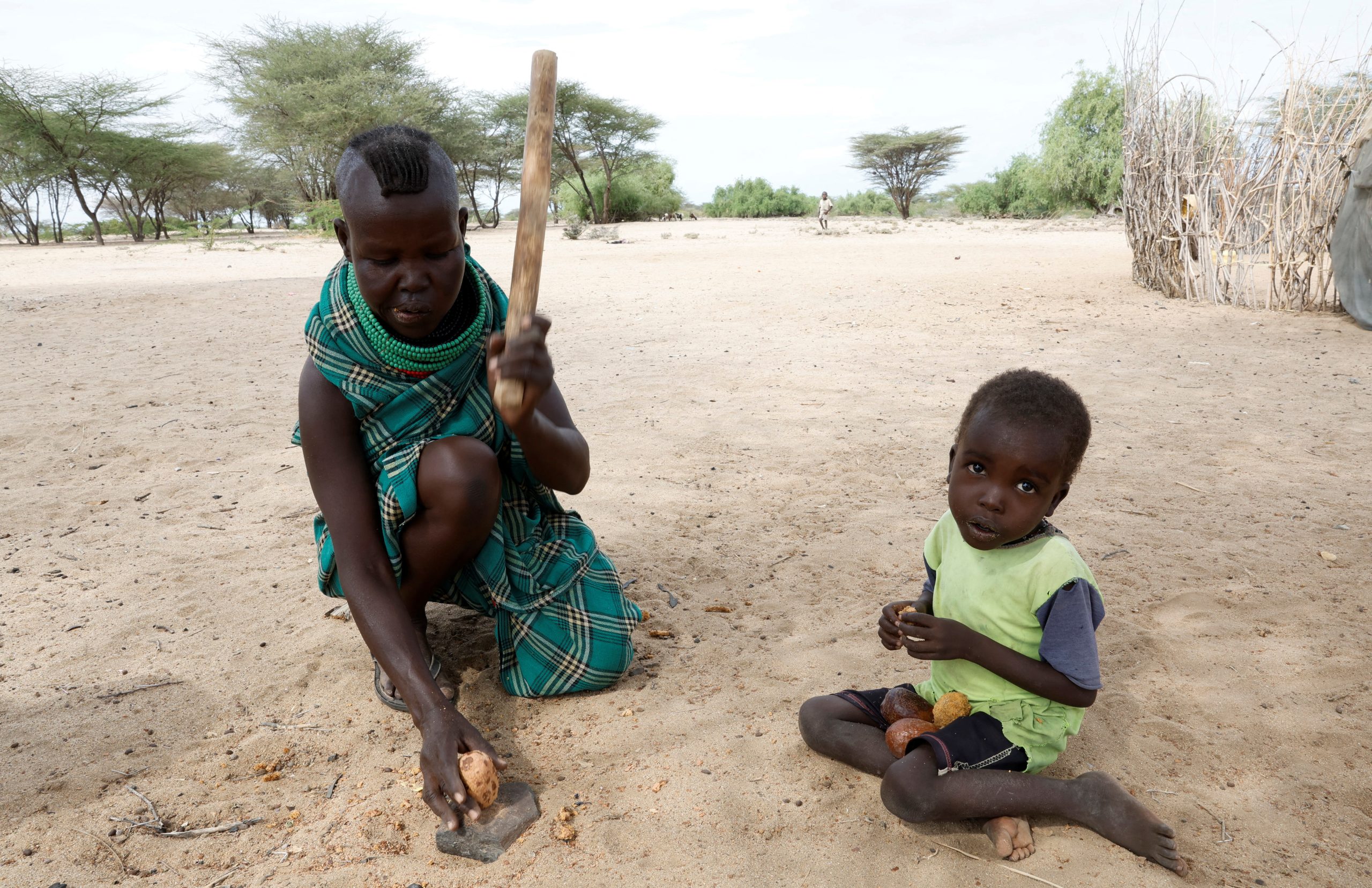
Peter’s mother, Etiman, said years of drought decimated the family’s goat herd, leaving her struggling to feed her five children.
A pile of ashes in their thatch hut in Lomolem village testified to what stood in for the family’s last hot meal – a pot of tea 36 hours earlier. Nearby, Etiman, 30, had stashed emergency supplies of gingerbread fruit.
As she smashed open the hard peel to extract the edible fruit, Peter stirred for the first time in two hours, determined to eat his share of the meagre meal.
Etiman realised something was wrong in March, when the once lively toddler began sleeping for long periods during the day. She took him to the nearest health facility in Kangatosa – an hour’s walk each way – where a nutritionist prescribed a course of RUTF.
The simple regimen – at least two packets of peanut paste a day for between six weeks and three months – has proven highly effective at treating severe wasting in children under 5.
Together with screening campaigns and follow-up home visits, therapeutic foods helped reduce mortality among children under 5 from around 115 deaths per 1,000 live births in 2003 to 41 in 2022 in Kenya, according to government statistics.
But when Etiman returned to Kangatosa in June to collect her weekly supply, the clinic had run out. By the time an outreach team arrived at her home in late October to check Peter’s measurements, the emaciated boy showed signs of stunting, a largely irreversible condition in young children.
“Every day he gets weaker and less active,” Etiman said. “I feel like there is no hope of him getting better.”
At four of the clinics Reuters visited, health workers said they had been operating without any RUTF for at least three months. Three other facilities had roughly 300 packets between them, enough to treat two or three severely malnourished children.
As a result, parents had stopped bringing in children or attending screening programmes, making it difficult to estimate the scale of the crisis, the health workers said.
Reuters interviewed five Kenyan health workers, a current aid worker and a former UNICEF official who were in Turkana during previous droughts. All said the current shortages were unprecedented.
In Aposta village, nutritionist Khadija Ahmed said the empty benches in her clinic’s waiting area filled her with despair. She had gone seven months without RUTF packets to offer her patients.
In March, Ahmed treated a 6-month-old boy, Ebei Eleman, for severe acute malnutrition. As he quickly recovered, his 4-year-old sister, Areng, fell ill but could not access the peanut paste for long. She remains severely malnourished.
“How will I save these children?” Ahmed asked.
FUNDING CUTS
Trump’s executive order caused disruptions around the world to the supply of food aid, Reuters has reported. Contracts to manufacture and deliver RUTF were abruptly suspended or cancelled because funds needed to pay suppliers were frozen.
UNICEF told Reuters supplies did not run out in Kenya, saying “buffer stocks” were used until funding was reinstated.
The temporary “stockouts” at some facilities were due to supplies being used up during community outreach campaigns or hit by issues including transport challenges and difficulties forecasting need, the agency said.
UNICEF-supported programmes to screen for malnutrition have been discontinued because of funding cuts, it said.
As of August, mass screening programmes covered fewer than 15% of malnutrition hotspots in Kenya, down from 75% in 2023, according to a health ministry PowerPoint presentation shared with humanitarian partners and verified by two aid sources.
The US remains the single biggest funder of global nutrition programmes but has contributed just under $263 million so far this year, according to the UN humanitarian agency OCHA. In 2024, it contributed $991 million.
Mercy Corps said it had to terminate 42 programmes that support communities facing growing food insecurity, water scarcity and acute malnutrition in countries including Congo, Nigeria, Somalia and Sudan.
In November, the State Department notified Mercy Corps that it would halt all remaining funding for a programme aimed at reducing malnutrition among 600,000 households in northern Kenya, the group said.
Global funding for the World Food Programme (WFP) plunged 40%, from $9.8 billion in 2024 to a projected $6.4 billion in 2025, the UN agency said in October.
In Kenya, a 30% drop in anticipated contributions forced WFP to slash food rations and suspend cash-based transfers to over 700,000 refugees over the summer, it said.
Supplemental food programmes for children experiencing moderate acute malnutrition were suspended in seven out of 10 counties, reaching just 17,000 of the 100,000 children targeted, it said.
The health ministry presentation seen by Reuters said Kenya expects to have enough RUTF to meet its needs through January, nearly all sourced through UNICEF.
About $5 million from the US grant announced in August will go to Kenya, UNICEF said. It did not provide details about current stocks but said its pipeline is projected to last until June.
In November, the Kangatosa clinic received its first seven boxes of peanut paste since June.
Peter Tuluke, the nutritionist in charge, said Etiman’s son has resumed treatment. But in the three weeks since he was last weighed, the boy had lost over 10% of his body weight following a bout of malaria.
On November 21, Peter weighed 9.9 kg.
About the Author