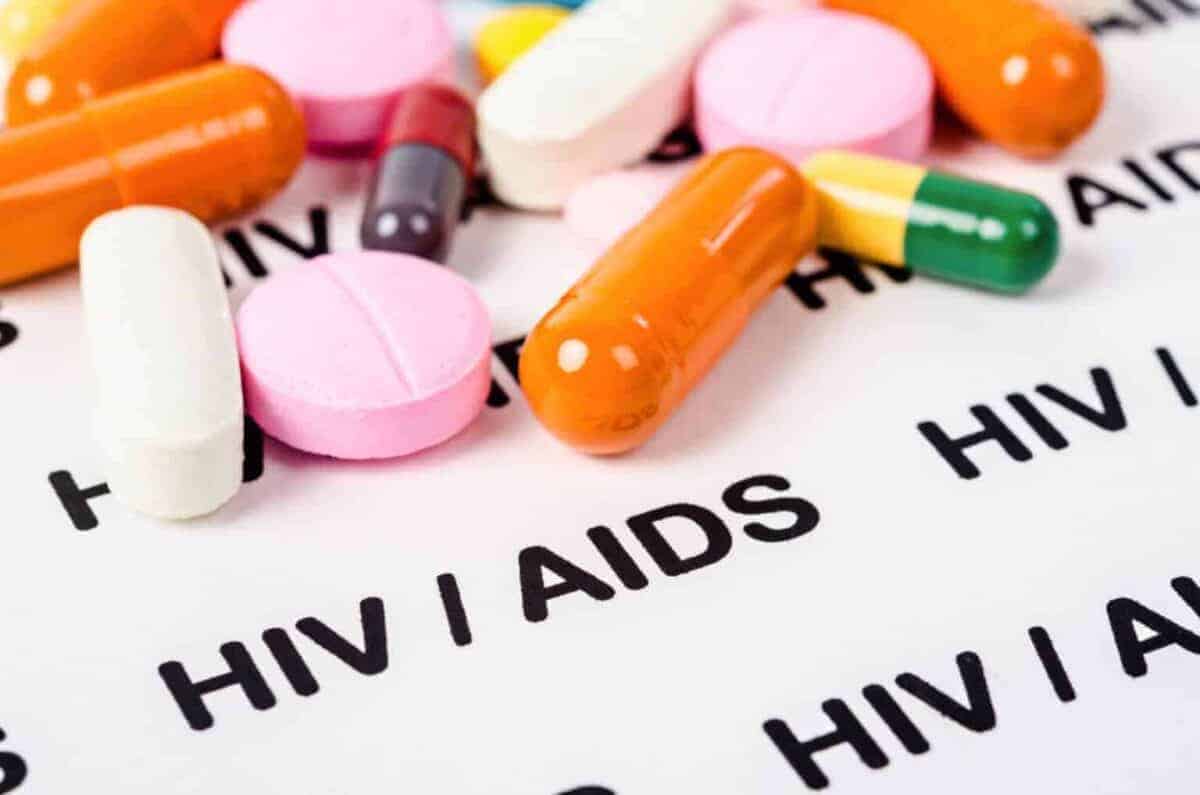
US foreign aid cuts have disrupted critical HIV funding in South Africa, raising fears of setbacks in treatment and prevention efforts.
Earlier this year, the US government announced the freezing of global foreign aid funding, dealing a blow to funding that South Africa had been receiving to fight HIV/Aids.
In a cost-cutting spree advised by the world’s richest person, Elon Musk, US President Donald Trump slashed foreign assistance by more than 80% soon after taking office.
US aid cuts
He also shut down the US Agency for International Development (USAID), which was the world’s largest aid agency. This put the US President’s Emergency Plan for AIDS Relief (Pepfar) on hold.
A Lancet study in July showed that USAID-funded programmes helped prevent 91 million deaths in low- and middle-income countries between 2001 and 2021, significantly reducing mortality across major diseases.
ALSO READ: Women speak out after being sterilised ‘without consent’
However, recent cuts could reverse this progress and lead to 14 million additional deaths by 2030, including over 4.5 million children.
South Africa carries the highest burden of HIV globally, with an estimated 8 million people living with HIV, and about 6 million of them are on life-saving treatment.
On World Aids Day, Health Minister Dr Aaron Motsoaledi said Pepfar supported 27 of 54 districts in eight provinces, with the Northern Cape unaffected.
Cuts to Pepfar funding affect HIV programme workers
The funding from Pepfar came from two sources: USAID and the American Center for Disease Control (CDC). The minister said that USAID significantly reduced its funding, while CDC continued to provide support.
Motsoaledi highlighted that none of the antiretroviral drugs (ARVs) consumed by 6 million South Africans were purchased with Pepfar, with 90% of funding from the South African Treasury and the remaining 10% from the Global Fund.
ALSO READ: Is there justice for women forcibly sterilised?
The minister said the main impact of funding cuts was on the employment of people hired by Pepfar, particularly in the 27 affected districts.
Approximately 266 000 people were employed in HIV/Aids programmes, with 15 000 funded by Pepfar. The cessation of Pepfar funding affected about 7 000 of these employees.
South Africa has been a major beneficiary of the Global Fund, receiving $2.3 billion over the years.
Global Fund pledges
Last month, South Africa hosted the G20 Summit, and one of the events on the sidelines was the Global Fund 8th Replenishment Summit, co-hosted by South Africa and the United Kingdom.
Deputy president and South African National AIDS Council (SANAC) co-chairperson Paul Mashatile announced on 1 December that pledges amounting to $11.3 billion were raised globally, with significant contributions from the African continent, the largest recipient of Global Fund resources.
ALSO READ: ‘Reform health funding or SA’s HIV and TB goals will fail’
Motsoaledi said the funds raised will mitigate the impact of funding costs to some extent.
South Africa pledged 36.6 million US dollars through a public-private partnership between DIRCO, NDOH, Anglo-American, and Goodbye Malaria. Most recently, it secured 400 million US dollars for Grant Cycle 7, which started on 01 October 2025 and will run until 31 March 2028.
In terms of funding costs, Mashatile acknowledged the potential future impact but assured South Africans that for now, treatment is continuing without interruption.
Ways to compensate for the funding gap
He said the government is actively seeking ways to compensate for the funding gap once it becomes apparent.
In October, the US approved the Pepfar Bridge Plan for South Africa to the value of $115 million for a period of six months from 1 October 2025 to 31 March 2026.
ALSO READ: Gauteng Health launches STI prevention drive targeting men
Minister in the Presidency Khumbudzo Ntshavheni welcomed the approval and expressed gratitude to the US government for its commitment to support and sustain progress in the fight against HIV/Aids.
Meanwhile, one of the initiatives of the National Department of Health to accelerate the response to HIV in South Africa is the 1.1 Million – Close the Gap HIV Treatment Campaign, which aims to accelerate efforts toward achieving the 95-95-95 HIV targets.
The campaign seeks to identify and support the 1.1 million people living with HIV who know their status but are not yet on treatment, addressing a critical gap in the country’s HIV response.
95-95-95 targets
SANAC co-chair Solly Nduku said the campaign is critical to help rebuild momentum towards the 95-95-95 targets after disruptions caused by the USAID withdrawal.
“The evidence is visible in communities and clinics, and therefore we call on the Honourable Minister to safeguard and further strengthen this programme. The results speak for themselves,” Nduku said.
NOW READ: What will happen to HIV/ Aids healthcare when PEPFAR funding ends early next year?
About the Author