The Joint United Nations Programme on HIV/AIDS (UNAIDS) has welcomed the enactment of a bipartisan United States spending law that commits US$5.88 billion to strengthen the global fight against HIV.
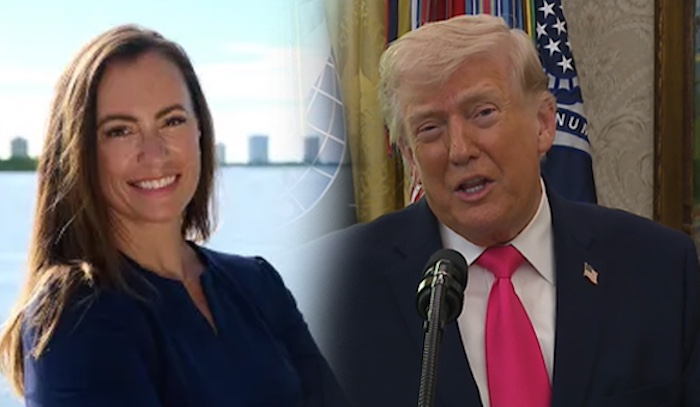
The funding package was signed into law on February 3, 2026, by Donald Trump and reinforces continued United States leadership in global health financing.
Of the total allocation, US$4.6 billion has been earmarked for bilateral HIV programmes under the America First Global Health Strategy, while US$1.25 billion will support the Global Fund to Fight AIDS, Tuberculosis and Malaria. An additional US$45 million has been allocated directly to UNAIDS.
Executive Director of UNAIDS, Winnie Byanyima, described the funding as critical to sustaining life-saving HIV services globally, saying it would benefit millions of people in partner countries and help ensure that the global HIV response remains effective, evidence-based and results-driven.
She noted that the new law advances progress towards the UNAIDS 95-95-95 targets, which aim to ensure that 95 per cent of people living with HIV know their status, 95 per cent of those diagnosed receive treatment, and 95 per cent of those on treatment achieve viral suppression.
According to UNAIDS, US investments have been central to the global HIV response for more than two decades, contributing to millions of lives saved and helping countries build stronger and more self-reliant HIV programmes.
The agency said the new funding would support data generation, technical assistance and strategic guidance for countries and communities most affected by HIV, in close collaboration with the US Government, the Global Fund and national partners.
The United States has been a partner of UNAIDS since its establishment in 1996 and recently renewed its membership on the UNAIDS Programme Coordinating Board through 2028.
UNAIDS coordinates the efforts of 11 United Nations agencies and works with governments and partners worldwide to achieve zero new HIV infections, zero discrimination and zero AIDS-related deaths by 2030.
By Michael Olugbode
About the Author