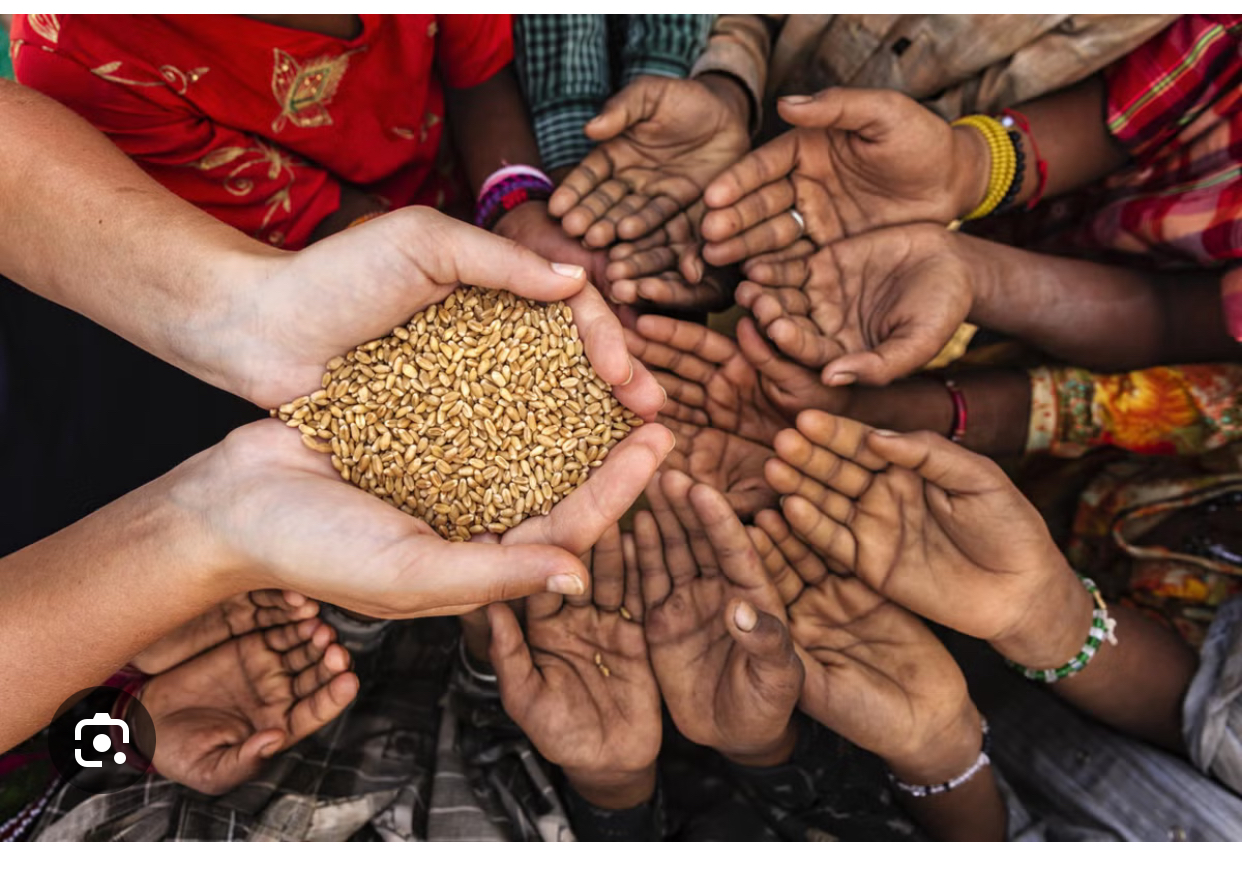
Global efforts to eliminate extreme poverty and hunger by 2030 are facing significant setbacks, according to a new warning from the United Nations.
In a statement released on Monday, the organisation said about 808 million people, roughly one in every ten globally, are living in extreme poverty in 2025, following an updated international poverty benchmark now set at less than $3.00 per person per day based on 2021 purchasing power parity.
While acknowledging significant reductions in poverty over past decades, the UN noted that the pace of progress has slowed and, if trends continue, nearly 9 per cent of the global population could still be living in extreme poverty by 2030.
The agency also expressed concern over rising hunger levels, saying they have returned to figures last recorded in 2005, alongside persistent increases in food prices across many countries. It described the combined challenge of poverty and food insecurity as a major global crisis.
According to the statement, poverty is driven by multiple factors, including unemployment, social exclusion, and vulnerability to shocks such as disasters and disease. The UN emphasized that inequality undermines economic growth, weakens social stability, and can contribute to broader insecurity.
The organisation further highlighted gaps in social protection, noting that billions of people remain without adequate coverage despite temporary expansions during the COVID-19 pandemic. It urged countries to develop sustainable, long-term protection systems to prevent more people from falling into poverty.
The UN called for coordinated action from governments, the private sector, and citizens, stressing the need for inclusive economic policies, expanded job opportunities, and stronger investment in innovation to accelerate poverty reduction and ensure no one is left behind by 2030.
About the Author