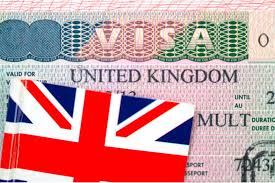
The United Kingdom has announced a suspension of study visa issuance for nationals of Cameroon, Myanmar, Afghanistan, and Sudan, in a move aimed at tightening immigration controls and curbing what authorities describe as widespread visa abuse.
The decision, announced by UK Home Secretary Shabana Mahmood, will also suspend skilled work visas for Afghan nationals, marking a significant shift in the country’s migration policy.
A government spokesperson said the policy is intended to protect the integrity of the UK’s immigration system while preserving the country’s tradition of offering refuge to people genuinely in need. “The government is clamping down on visa abuse so that the UK can maintain its proud humanitarian tradition,” the statement read.
According to the UK Home Office, nationals from the four affected countries have been identified as the most likely to file asylum claims after entering the UK on legal study visas.
Data shows that asylum applications from individuals who originally travelled on student visas more than tripled between 2021 and 2025, accounting for about 13% of all asylum claims currently under consideration.
Mahmood described the policy as an “unprecedented decision” aimed at preventing the exploitation of the UK’s generosity. She added that the government was committed to restoring greater control and order to the country’s borders.
The Home Office further revealed that a larger proportion of asylum seekers from the four countries cited economic hardship and destitution in their claims. Approximately 16,000 people from these nations are currently receiving government support.
Migration data also indicates that since 2021, about 95% of Afghan students who entered the UK on study visas later applied for asylum, while applications from Myanmar students increased sixteen-fold. Asylum claims from Cameroon and Sudanese nationals also rose more than four times over the same period.
The new policy marks the first time the UK will completely restrict study visas for nationals of the four countries and halt skilled worker visas for Afghans due to concerns that asylum applications through legal migration routes have surged.
The government emphasised that it will not abandon people fleeing conflict but must address systemic abuse of the visa framework.
The policy changes will also introduce stricter requirements for family reunion and mandate that refugees meet financial and integration standards similar to those expected of British citizens. However, unaccompanied children will continue to receive five-year temporary leave while long-term arrangements are reviewed.
Legislation to formalise the visa restrictions will be introduced through amendments to the immigration rules on Thursday, March 5, 2026.
The development follows earlier warnings issued in November that visa restrictions could be extended to Angola, Namibia, and Democratic Republic of the Congo if deportation agreements were not implemented.
The UK government has also reduced refugee protection periods to 30 months, aiming to encourage lawful migration pathways, reduce dangerous border crossings, and strengthen the asylum system.
Under the revised rules, adults and accompanied children applying for asylum from March 2, 2026, will initially receive 30 months of protection. Those still facing genuine risk after that period may have their status reviewed and renewed, while applicants from countries deemed safe may be expected to return home if conditions permit.
About the Author