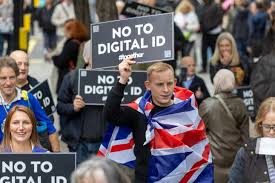
The UK government has U-turned on its controversial digital ID card proposal, insisting workers must still prove their right to work but giving flexibility on how verification is carried out, amid fierce opposition from rival parties and public scrutiny.
Finance Minister, Rachel Reeves, confirmed the policy change on Wednesday, clarifying that while some form of digital verification will be required, it need not take the form of a dedicated digital ID card.
“We are saying that you will need a mandatory digital ID to be able to work in the UK.
“Now the difference is whether that has to be one piece of ID, a digital ID card, or whether it could be an e-visa or an e-passport. We’re pretty relaxed about what form that takes”, Reeves told the BBC.
The proposal, first announced by Prime Minister, Keir Starmer, in September 2025, was part of efforts to curb illegal migration. However, it faced widespread criticism from opposition parties and members of the public, including claims, largely unproven, that it could be used to track vaccinations, monitor carbon footprints, or restrict access to travel and food. The government has denied these claims.
Starmer had initially said the ID system would be rolled out by 2029 and, while not strictly mandatory, would be required to establish the right to work.
Opposition figures quickly seized on the U-turn. Leader of the anti-immigration Reform UK party, Nigel Farage, described it as “a victory for individual liberty against a ghastly, authoritarian government”, promising to scrap the ID entirely if his party gains power. Conservative leader Kemi Badenoch also welcomed the reversal, calling it “good riddance” to “a terrible policy”.
A government spokesman stressed that mandatory verification of the right to work will remain in place, pointing out that current paper-based systems are “open to fraud and abuse” and often lack proper records. He added that the digital ID scheme will be developed following a full public consultation, which will launch soon.
About the Author