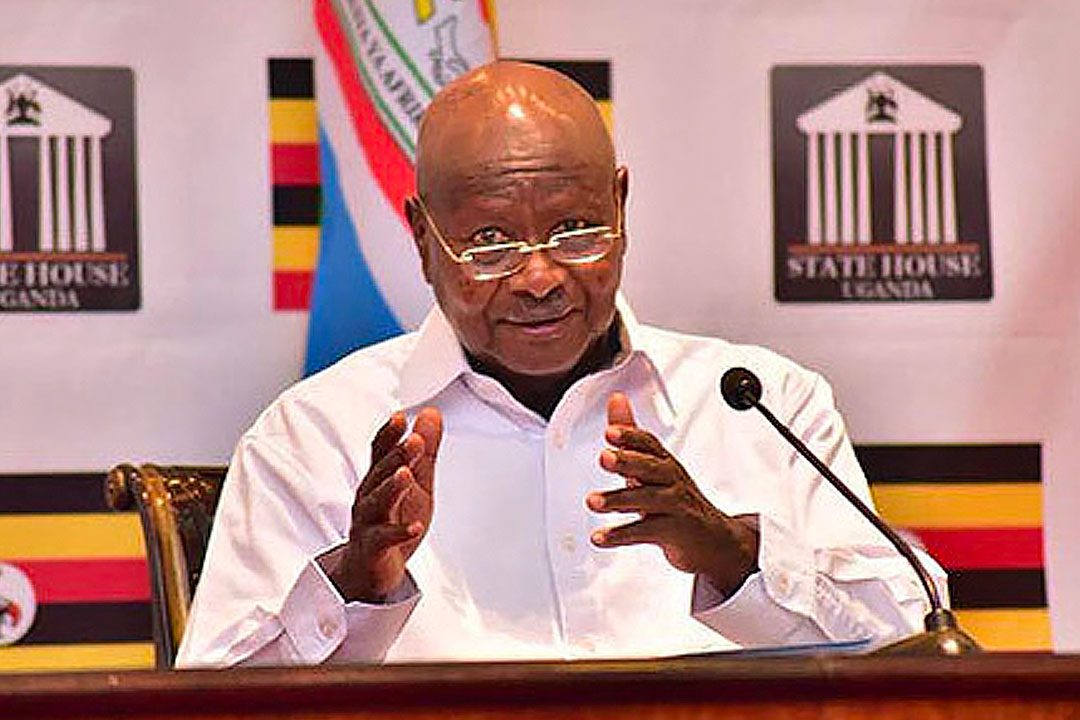
When Yoweri Museveni seized power in Uganda in 1986, he declared that “the problem of Africa in general and Uganda in particular is not the people but leaders who want to overstay in power.”
Nearly four decades later, the 81-year-old president and former rebel is seeking a seventh term in office on Thursday, aiming to extend a rule under which most Ugandans have never known another leader.
Museveni swept to power after leading insurgencies against autocratic governments, initially riding a wave of optimism. But that goodwill soon faded amid persistent allegations of corruption and authoritarianism.
“Corruption has been central to his rule from the beginning,” said Kristof Titeca, a professor at the University of Antwerp.
Museveni has acknowledged corruption within government but says all those caught have been prosecuted.
Abroad, he has cultivated Western allies by aligning with their security priorities, sending peacekeepers to Somalia and South Sudan and welcoming large numbers of refugees.
At home, his record is mixed. His government won praise for confronting the AIDS epidemic and defeating the Lord’s Resistance Army, which terrorised parts of Uganda for nearly two decades.
However, corruption weakened public services, and only one in four Ugandan children entering primary school reaches secondary school, according to UNICEF. Well-paid jobs remain scarce.
Born to Christian nomadic pastoralists, Museveni attended elite schools before studying political science in Tanzania, where he formed a militant movement that helped remove Idi Amin from power, paving the way for Milton Obote’s presidency in 1980.
After Obote was ousted in 1985, Museveni’s National Resistance Movement overthrew President Tito Okello the following year.
“This is not a mere change of guard,” Museveni said at his swearing-in. “This is a fundamental change in the politics of our government.”
Early economic reforms and efforts to attract foreign investment won Western support. But as growth followed, so did anger over corruption. Parliamentary reports later said dozens of state companies were sold to relatives and allies at knock-down prices, with some proceeds allegedly embezzled.
Kizza Besigye, once Museveni’s personal doctor during the bush war, later became his main rival, accusing him of corruption and rights abuses. Museveni has won all six elections he has contested, four against Besigye, who was arrested in 2024 and now faces treason charges.
In 2005, parliament removed presidential term limits, a move critics said was designed to allow Museveni to rule indefinitely.
Opposition candidates have repeatedly rejected election results, alleging irregularities. Authorities deny wrongdoing, and police have broken up protests by opposition supporters.
Museveni brushed off Western criticism in 2006, saying: “If the international community has lost confidence in us, then that is a compliment because they are habitually wrong.”
He has since strengthened ties with countries including China, Russia, Iran and the United Arab Emirates to reduce reliance on the West.
The discovery of major oil reserves further boosted his standing, leading to agreements with TotalEnergies and CNOOC to develop fields and build an export pipeline.
Faridah Abdulkadiri
About the Author