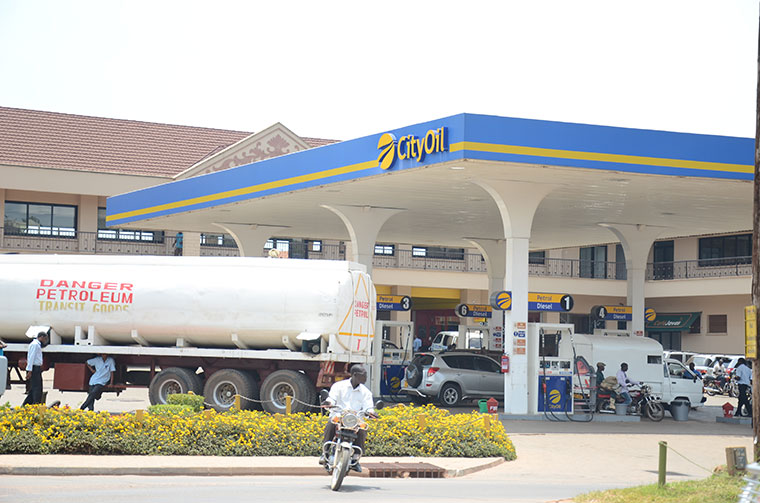
The Middle East, a key source for petroleum products for Uganda, is on fire.
Last Saturday’s bombing of Iran by the United States of America and Israel, which led to the death of the country’s supreme leader, Ali Khamenei, and a host of top military officers, has sparked off a regional war, sucking in more than five countries across the Middle East.
Iran has retaliated by hitting American and Israeli assets all over the Middle East, ultimately triggering a spike in international oil prices. It now appears that all sides in this war are going for broke.
That leaves the Strait of Hormuz – a key shipping route for petroleum products that borders Iran and Oman – in the line of fire. Uganda’s government has issued a statement and reassured the public that the country “will continue to have a reliable supply of petroleum products.”
It is hard to see how. At least 20 per cent of global petroleum products are routed through the Strait of Hormuz. The closure of the route means global demand for petroleum is going to go up.
There will be delays in the delivery of petroleum supplies, all of which could trigger speculation and create some panic buying as consumers fill up their fuel tanks in anticipation of a shortage.
This will lead to an increase in fuel prices. Uganda is heavily exposed to the war in Iran. Uganda consumes 6.5 million litres of petroleum per day. The country has one main petroleum storage facility at Jinja with a capacity to hold 30 million litres.
That means that on the rare day that the Jinja petroleum reserves are full, Uganda can only have supplies for less than five days during a crisis. Uganda needs to quickly boost the storage capacity at Jinja, after it borrowed money for this.
Also, the country needs to speed up plans over the construction of the Kampala Storage Terminal, which will have a capacity of 320 million litres. Uganda also plans to acquire a petroleum storage terminal at Mombasa.
The government has already borrowed money for these two projects. The challenge now is how to speed up execution. Government is painfully slow when it comes to project implementation – from sourcing a contractor to project delivery.
Fuel is not just any product; it is at the centre of the livelihood for many Ugandans. Fuel prices are easily transmitted into the overall costs of goods and services. A fuel shortage spells trouble for many Ugandans, who have to spend more money to access basic needs. It is high time government showed some impetus of building strong buffers against fuel supply shortages.
About the Author