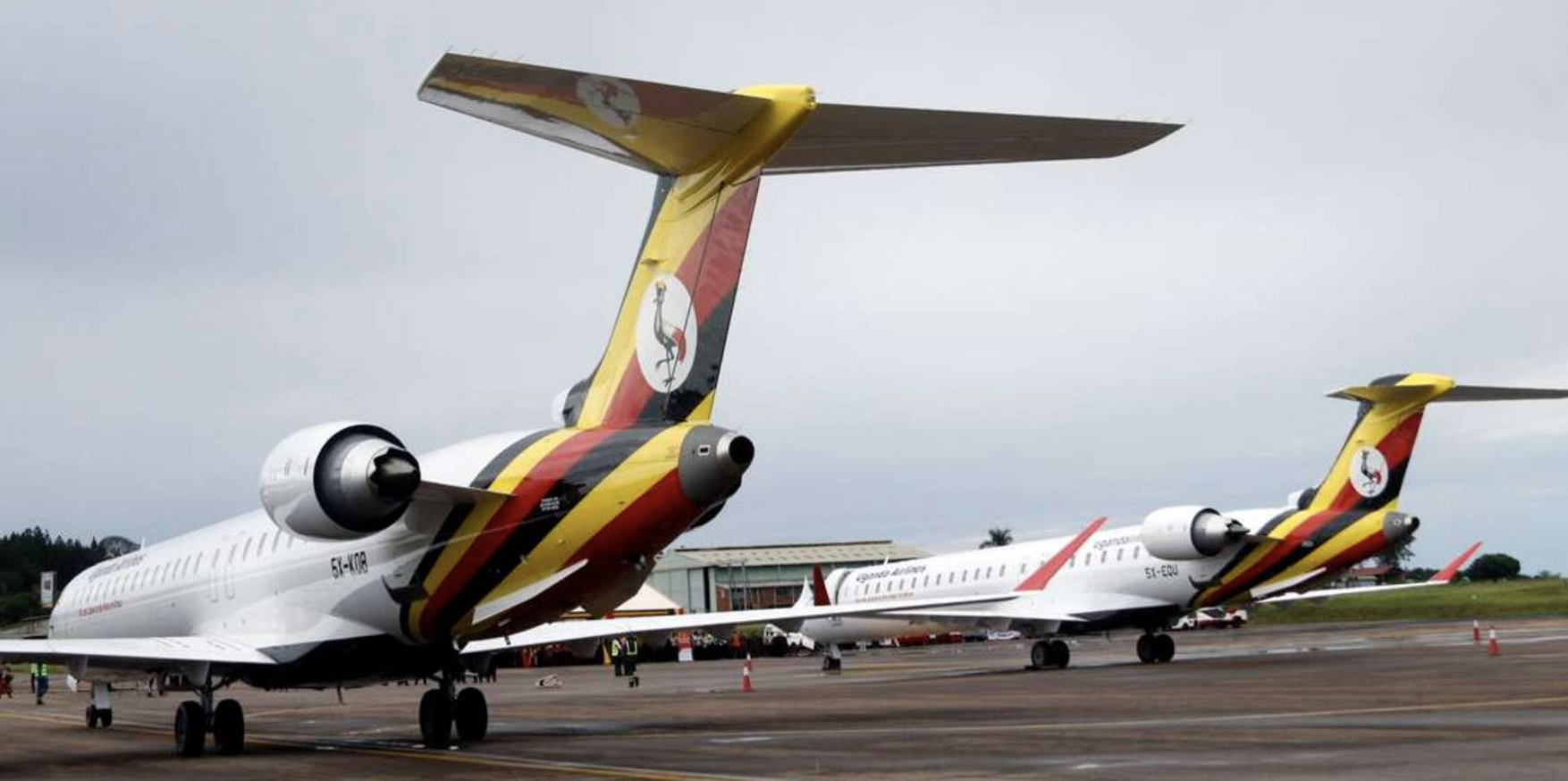
A Uganda Airlines flight was forced to make an emergency return shortly after take-off following a bird strike, the airline has said.
The aircraft turned back as a precaution after the incident, which occurred during the early stages of the journey. It landed safely, and no injuries were reported among passengers or crew.
“Our flight from Johannesburg (JNB) to Entebbe (EBB) experienced a disruption approximately 45 minutes after take-off due to a bird strike, which resulted in a shattered windscreen,” the airline said in a statement.
The flight crew decided to abort the journey and return to Johannesburg where the aircraft landed safely.
“The safety and security of our passengers and staff remains our highest priority,” the statement added.
Such incidents usually result in safety inspections and, if necessary, the deployment of alternative aircraft to minimise disruption. Uganda Airlines has said that it will assist affected passengers with onward travel arrangements while the aircraft undergoes a technical inspection.
Bird strikes
Bird strikes, while relatively common in aviation, can pose risks to aircraft, particularly if engines are affected.
According to aviation experts, bird strikes are a well-known hazard in global aviation, particularly during take-off and climb. However, modern aircraft are designed to withstand such impacts. However, damage to cockpit windows is considered serious and typically requires immediate precautionary measures.
Aircraft engines and windscreens are among the components most vulnerable to damage during bird strikes. While most incidents result in only minor damage, it is estimated that 10–15 percent lead to significant structural or mechanical problems.
Modern aircraft windscreens are designed to withstand impacts from smaller birds. However, collisions involving larger species or high-speed impacts can still cause serious damage.
Globally, bird strikes cost the aviation industry an estimated $1.2 billion each year due to damage and operational disruption.