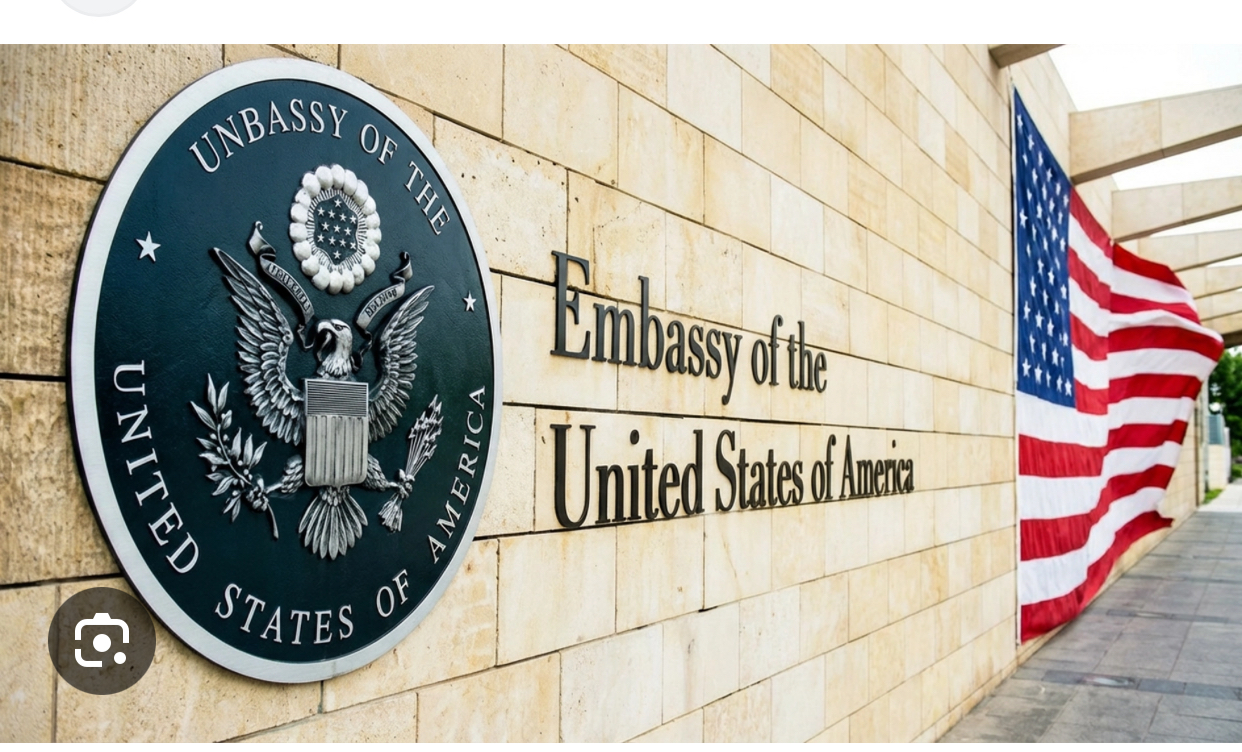
The United States Department of State has issued an updated travel advisory on Nigeria, warning Americans to reconsider travel to the country over worsening security concerns, including crime, terrorism, civil unrest and inadequate healthcare services.
Large parts of the country were placed under the strictest warning, Level 4: “Do Not Travel,” including Borno, Yobe, Kogi, northern Adamawa, Jigawa, Kwara, Niger, Plateau and Taraba states, where it said the security situation remains “unstable and uncertain” due to terrorism, communal violence and kidnapping.
It also placed Bauchi, Gombe, Kaduna, Kano, Katsina, Sokoto and Zamfara under the same “Do Not Travel” designation due to unrest, crime and kidnapping risks.
In southern Nigeria, states including Abia, Anambra, Bayelsa, Delta, Enugu, Imo and Rivers (excluding Port Harcourt) were flagged for high levels of crime, violent protests and armed gangs. The advisory also highlighted ongoing unrest in the Niger Delta and South-East, noting that “civil unrest and armed gangs are active in parts of Southern Nigeria”, alongside recurring farmer-herder clashes in rural communities.
It also announced that it had “authorised non-emergency U.S. government employees and U.S. government employee family members to leave U.S. Embassy Abuja due to the deteriorating security situation.”
The Department described violent crime as widespread across Nigeria, listing offences such as armed robbery, assault, carjacking, kidnapping, hostage-taking and rape.
According to the statement, “kidnappings for ransom happen often,” with criminal groups frequently targeting dual nationals and foreigners perceived to be wealthy. It added that kidnapping gangs increasingly block interstate roads to abduct travellers, noting that “Americans are perceived as wealthy and are often targets of crime and kidnapping”.
On terrorism, the Department warned that extremist groups “continue plotting and carrying out attacks in Nigeria,” often in collaboration with local criminal gangs. It further stated that attacks could occur “with little or no warning” in public places such as markets, shopping centres, places of worship, schools, hotels and transport hubs.
On healthcare, the Department warned that medical facilities in Nigeria are generally not up to U.S. or European standards, citing shortages of essential medicines and unreliable emergency services. It also noted that “counterfeit pharmaceuticals are a common problem”, adding that many hospitals require immediate cash payments and do not accept U.S. health insurance.
It further stated that the U.S. government may be unable to provide emergency services to citizens in many parts of Nigeria due to security risks, urging travellers to obtain comprehensive travel insurance, including medical evacuation cover, before visiting.