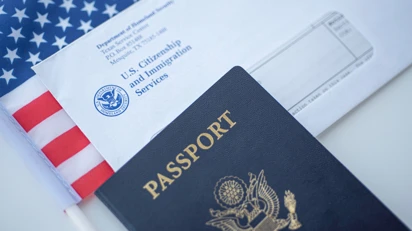
The United States will sharply reduce the cost for citizens wishing to formally renounce their citizenship, cutting the fee by more than 80 percent—a move welcomed by so-called “Accidental Americans” struggling with the U.S. tax system.
Starting April 13, consular fees for renunciation will drop from $2,350 to $450, according to a notice published in the Federal Register, the government’s official journal. The reduction reverses a 2015 hike and restores the fee to its original level when the process was introduced in 2010.
The Federal Register notice cited “the not insignificant anecdotal evidence regarding tax-related difficulties many U.S. nationals residing abroad encounter” as a key factor in the decision.
The change was warmly received by the Association of Accidental Americans (AAA), a Paris-based nonprofit that supports U.S. citizens living overseas. The organization said the reduction is the “direct result” of years of advocacy and legal action.
“This fee reduction is a concrete first victory,” AAA founder and president Fabien Lehagre said in a social media statement.
Many Americans abroad face complex reporting obligations under U.S. law, which taxes citizens based on nationality rather than residence. Laws such as the Foreign Account Tax Compliance Act (FATCA) require U.S. citizens to disclose detailed information about foreign bank accounts, complicating financial operations and access to banking.
Advocates say the combination of high renunciation fees and onerous reporting requirements has created significant financial and bureaucratic burdens for Americans with limited ongoing ties to the United States.
With the new fee, the U.S. government aims to make the renunciation process more accessible, acknowledging the unique challenges faced by its citizens living abroad.
About the Author