The United States has imposed sanctions on the Rwanda Defence Force and four of its senior commanders, accusing them of fuelling the protracted conflict in the eastern Democratic Republic of the Congo (DRC).
The sanctions were announced amid continuing hostilities despite a U.S.-brokered peace agreement signed in December between the governments of Rwanda and the DRC aimed at ending years of violence in the mineral-rich eastern region.
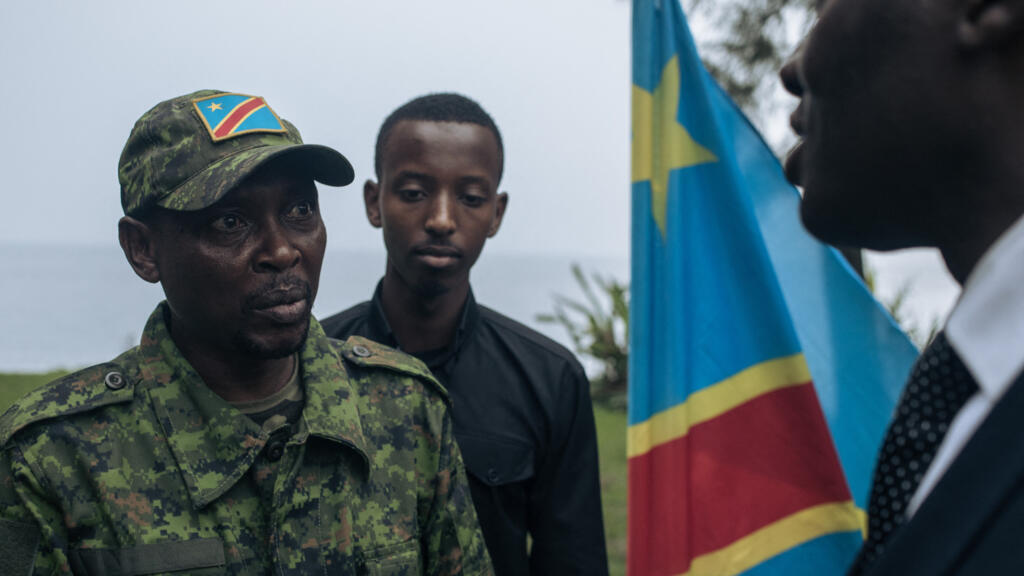
The U.S. Treasury Department accused Rwandan forces of undermining the peace accord by training, arming, and fighting alongside the March 23 Movement, a rebel organisation operating in eastern Congo.
Rwanda swiftly rejected the allegations, describing the sanctions as one-sided and a distortion of the facts surrounding the conflict. Kigali maintains that its military presence near the Congolese border is purely defensive, aimed at countering armed groups that it says threaten Rwanda’s security.
The sanctions were announced three months after the Washington Accords were signed by Congolese President Félix Tshisekedi and Rwandan President Paul Kagame, with mediation support from then-U.S. President Donald Trump.
Trump had described the agreement as “historic” and expressed optimism that it would help secure lasting peace while also supporting access to strategic mineral resources in eastern Congo.
Although the M23 group was not a signatory to the accord, it participated in parallel negotiations facilitated by Qatar, a U.S. ally with diplomatic ties to Rwanda. Shortly after the Washington agreement, M23 forces captured the strategic Congolese city of Uvira, triggering a mass civilian displacement before later withdrawing under international pressure.
U.S. Treasury officials warned that the continued deployment of M23 fighters near the border with Burundi risks escalating the conflict into a wider regional war. Washington also alleged that rebel offensives would not have been possible without “active support and complicity” from Rwandan military authorities.
The Treasury statement further claimed that Rwandan forces had introduced advanced battlefield technologies, including GPS jamming systems, air defence equipment, and drones, while deploying thousands of troops across eastern Congo to support combat operations and consolidate territorial control.
U.S. Treasury Secretary Scott Bessent demanded the immediate withdrawal of Rwandan troops, weapons, and military equipment from Congolese territory.
The U.S. State Department also condemned the M23 group for alleged human rights abuses, including summary executions and violence against civilians, particularly women and children, according to spokesperson Tommy Pigott.
The sanctions freeze any assets held in the United States by the Rwandan military or the four designated commanders and prohibit American individuals and organisations from engaging in financial transactions with them.
The targeted officials include Rwanda’s army chief of staff Vincent Nyakarundi, Ruki Karusisi, Mubarakh Muganga, and Stanislas Gashugi.
In response, Kigali accused the DRC government of violating ceasefire arrangements, citing what it described as persistent drone strikes and ground offensives conducted with the assistance of ethnic militias and foreign mercenaries. Rwanda reiterated that protecting its territory remains a “badge of honour” for its armed forces.
The Congolese government welcomed the U.S. sanctions, describing them as strong support for the protection of its sovereignty and territorial integrity.
The Trump administration stated that it remains prepared to deploy “all available tools” to ensure both Rwanda and the DRC honour their peace commitments, emphasising the strategic importance of stability in the resource-rich eastern Congo, an area long plagued by armed conflict since the aftermath of the 1994 Rwandan genocide.
The region has witnessed decades of violence as numerous armed groups compete for territorial and mineral control, with renewed escalation beginning last year when M23 fighters captured Goma, the capital of North Kivu province near the Rwandan border.
About the Author