Student visas, protest activity, and criminal offenses cited as administration ramps up enforcement
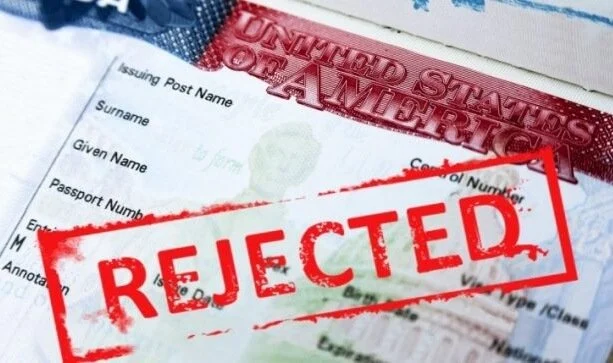
The United States has revoked more than 100,000 visas since President Donald Trump returned to office, marking the highest number of visa cancellations ever recorded in a single year, according to the State Department.
The figure covers the period since Trump’s second inauguration on January 20, 2025, and is more than double the number of visas revoked in 2024, when former President Joe Biden was in office.
State Department spokesman Tommy Pigott said the sweeping action reflects the administration’s priorities.
“The Trump administration has no higher priority than protecting American citizens and upholding American sovereignty,” Pigott said.
Officials said thousands of the revoked visas were linked to criminal activity, including offenses such as assault and drunk driving.
The State Department confirmed that 8,000 of the canceled visas were issued to students. Secretary of State Marco Rubio has drawn attention to visa revocations involving foreign students who participated in protests against Israel.
Rubio relied on a Cold War–era law, dating back to the McCarthy period, that allows the U.S. government to deny entry or revoke visas for foreign nationals deemed to be acting against American foreign policy interests. Some of the individuals affected by the policy have successfully challenged deportation orders in court.
In addition to revocations, the administration has tightened visa screening procedures, including expanded reviews of social media activity by applicants and visitors.
The visa cancellations are part of a broader aggressive immigration enforcement campaign. The Department of Homeland Security said last month that more than 605,000 people have been deported since Trump took office, while an additional 2.5 million migrants left the country voluntarily.
The administration says the measures are aimed at strengthening border security and national safety, while critics argue the policies risk overreach and civil liberties concerns.
About the Author