Failed negotiations in Pakistan push Washington and Tehran closer to direct confrontation as oil prices spike and fears of wider war grow…….
The United States is moving ahead with a naval blockade targeting Iranian ports, marking a sharp escalation in an already volatile conflict, after high-stakes negotiations between Washington and Tehran broke down over the weekend.
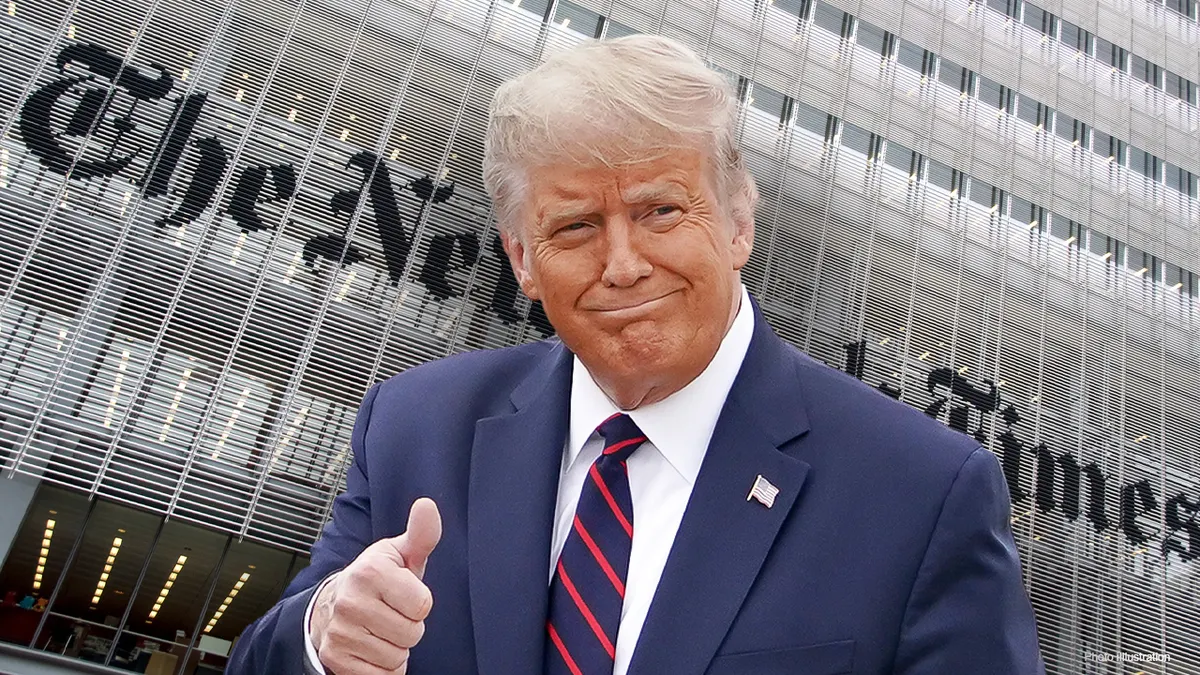
President Donald Trump announced the decision following the abrupt end of talks in Pakistan, where U.S. and Iranian officials had been attempting to negotiate a lasting resolution to the war that has gripped the region since late February. The discussions, led by Vice President JD Vance, ended without agreement, with both sides blaming each other for the impasse.
In a statement, U.S. Central Command confirmed that American forces would begin enforcing the blockade starting Monday afternoon. The operation will apply to vessels entering or leaving Iranian ports along the Arabian Gulf and Gulf of Oman, though ships traveling through the Strait of Hormuz to non-Iranian destinations will not be stopped.
Trump, posting on social media, framed the move as necessary to restore security to one of the world’s most vital shipping lanes. He said the objective was to clear the strait of threats and ensure freedom of navigation, while also preventing Iran from benefiting economically from its position along the waterway.
The announcement follows earlier, more sweeping rhetoric from the president suggesting a full shutdown of maritime traffic through the Strait of Hormuz, a critical route for global oil and gas shipments. While the finalized plan appears more limited, it still represents a significant show of force in a region already on edge.
Iran responded defiantly. Military officials warned they maintain full control over the strait and threatened severe consequences for any attempt to challenge their authority. Political leaders in Tehran also rejected U.S. pressure, insisting they would not abandon their nuclear program or yield to what they described as coercive tactics.
The collapse of talks has dealt a major blow to international efforts to end the conflict, which has already claimed thousands of lives and disrupted global markets. Mediators in Pakistan had hoped to build on a fragile two-week ceasefire reached last week, but the new blockade risks undermining that progress.
Global markets reacted swiftly. Oil prices surged by around eight percent on Monday, pushing key benchmarks above $100 per barrel and raising concerns about inflation and energy supply disruptions worldwide.
Behind the diplomatic breakdown lies a familiar sticking point: Iran’s nuclear ambitions. U.S. officials described their proposal as a “final and best offer,” while Iranian negotiators accused Washington of shifting demands at the last minute, claiming an agreement had been within reach.
Meanwhile, tensions continue to simmer beyond the Gulf. In Lebanon, violence involving Hezbollah and Israeli forces shows little sign of easing, threatening to pull additional actors into the conflict. Israeli leadership has indicated operations will continue, even as diplomatic channels remain open for further talks.
With naval forces now preparing to enforce the blockade, the risk of direct confrontation between U.S. and Iranian forces is rising sharply. Analysts warn that even a minor incident at sea could quickly spiral into a broader regional war.
For now, the world is watching the Strait of Hormuz where the next move could have consequences far beyond the Middle East.