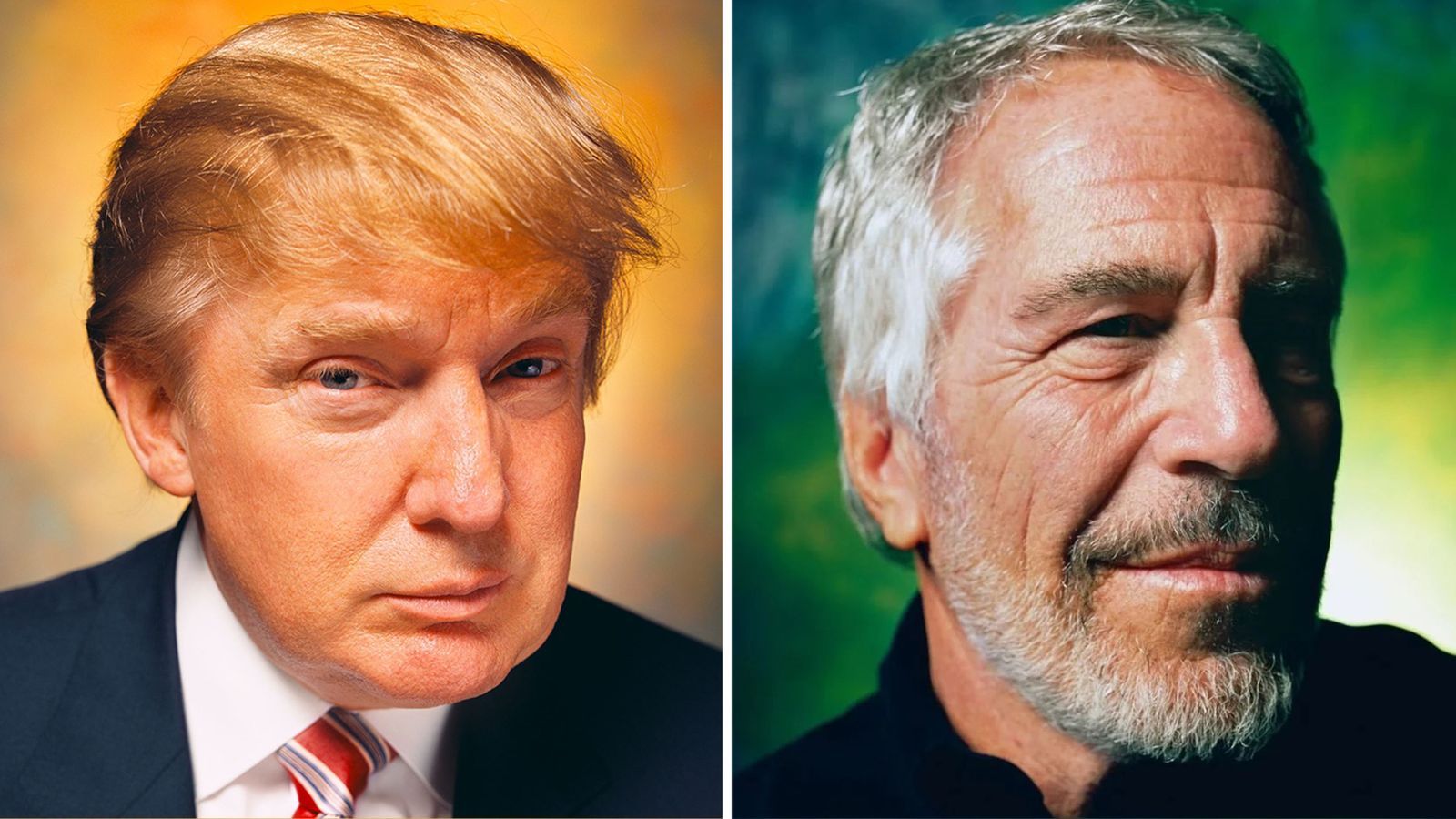
The United States Department of Justice on Friday began releasing long-awaited records linked to the investigation of disgraced financier and convicted sex offender Jeffrey Epstein, marking a significant moment in one of the most politically sensitive scandals in modern American history.
The initial release is expected to offer new insight into Epstein’s vast network of associations with prominent business leaders, celebrities, academics, and politicians — including former and current U.S. presidents.
However, questions remain over how much information the Trump administration, which retains full control over the disclosure process, will ultimately make public and how documents are being selected.
Among the documents released were seven pages listing the names of 254 masseuses, all of which were fully redacted with the explanation that the information was withheld to protect potential victims. The files also contained numerous photographs not previously made public, including one image showing a younger former president Bill Clinton reclining in a hot tub, partially obscured by a black rectangle. Another photograph appears to show Clinton swimming with a dark-haired woman believed to be Epstein associate Ghislaine Maxwell.
President Donald Trump’s name also appears in a contact book included in the records, although it remains unclear who owned the book or the context of the entry.
Trump, who once socialised with Epstein in elite Palm Beach and New York circles during the 1990s, had for months resisted efforts to release the files. Epstein died in a New York jail cell in 2019 while awaiting trial on federal sex-trafficking charges, in a death officially ruled a suicide. Trump has not been accused of wrongdoing and has said he cut ties with Epstein years before the financier’s arrest.
Facing mounting pressure from Congress — including members of his own Republican Party — Trump ultimately signed legislation last month mandating the public release of the Epstein investigation records. Friday marked the congressional deadline for the first batch of disclosures.
Deputy Attorney General Todd Blanche, speaking on Fox and Friends, said several hundred thousand documents would be released immediately, with hundreds of thousands more expected in the coming weeks. He noted that prosecutors retain discretion to withhold materials related to ongoing investigations and said the documents would be carefully redacted to protect the identities of Epstein’s victims. Blanche added that no new criminal charges were imminent.
Democratic Senate Minority Leader Chuck Schumer criticised the scope of the release, calling it inadequate.
“This is nothing more than a cover-up to protect Donald Trump from his ugly past,” Schumer said in a statement.
Political Sensitivity and Public Pressure
The document release comes amid heightened political tension. Trump had previously pledged full transparency on the Epstein files while campaigning for the presidency, a promise that resonated strongly with his political base. However, after returning to office, the president dismissed renewed calls for disclosure as a “Democrat hoax.”
The controversy intensified in July when the FBI and Justice Department released a memo stating there was no credible evidence that Epstein maintained a “client list” or used blackmail against powerful individuals — a claim that angered many Trump supporters and fueled accusations of a cover-up.
Epstein’s former girlfriend, Ghislaine Maxwell, remains the only person convicted in connection with the case. Now 63, Maxwell is serving a 20-year federal prison sentence for recruiting underage girls for Epstein.
For victims, investigators, and the public, the release of the files represents the most significant opportunity yet to understand how Epstein operated, who enabled him, and why it took years for prosecutors to bring charges in a case that continues to reverberate across American politics and society.
About the Author