The United States has stepped up security cooperation with Nigeria following a series of high-level engagements aimed at tackling terrorism and instability across West Africa.
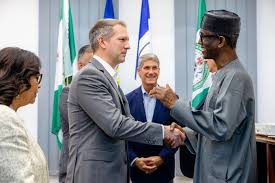
As part of these efforts, the Commander of the U.S. Africa Command (AFRICOM), General Dagvin R. M. Anderson, recently led a senior delegation to Abuja for talks with President Bola Ahmed Tinubu at the Presidential Villa. The visit reinforced both countries’ commitment to coordinated action against extremist threats operating within and beyond Nigeria’s borders.
The renewed collaboration stems from strategic discussions initiated late last year, including a meeting between President Tinubu and General Anderson in Rome during the Aqaba Process. At that meeting, both sides agreed on the urgency of closer cooperation to counter groups such as Boko Haram and Islamic State affiliates destabilising the region.
In line with these agreements, the U.S. has deployed a small military support team to Nigeria to assist ongoing counter-terrorism operations. The deployment is designed to strengthen Nigeria’s security capacity without direct combat involvement.
According to U.S. officials, the support focuses on intelligence sharing, logistics coordination, and professional military training, aimed at improving operational effectiveness against insurgent groups.
Nigeria continues to face persistent security challenges, particularly in the northeast and northwest, where years of insurgency, banditry, and extremist violence have displaced millions of people and placed heavy pressure on national resources.
The AFRICOM delegation included senior diplomatic and military officials, among them the U.S. Embassy’s Chargé d’Affaires in Nigeria, Keith Heffern, AFRICOM’s Senior Foreign Policy Adviser, Ambassador Peter Vrooman and Command Sergeant Major Garric M. Banfield, the command’s senior enlisted leader.
Both governments say the engagement reflects a broader commitment to regional stability, as Nigeria and the United States deepen security ties to confront evolving threats in West Africa.
About the Author