U.S. president calls on major oil-importing nations to deploy naval forces as Iranian attacks stall traffic through one of the world’s most critical energy routes……
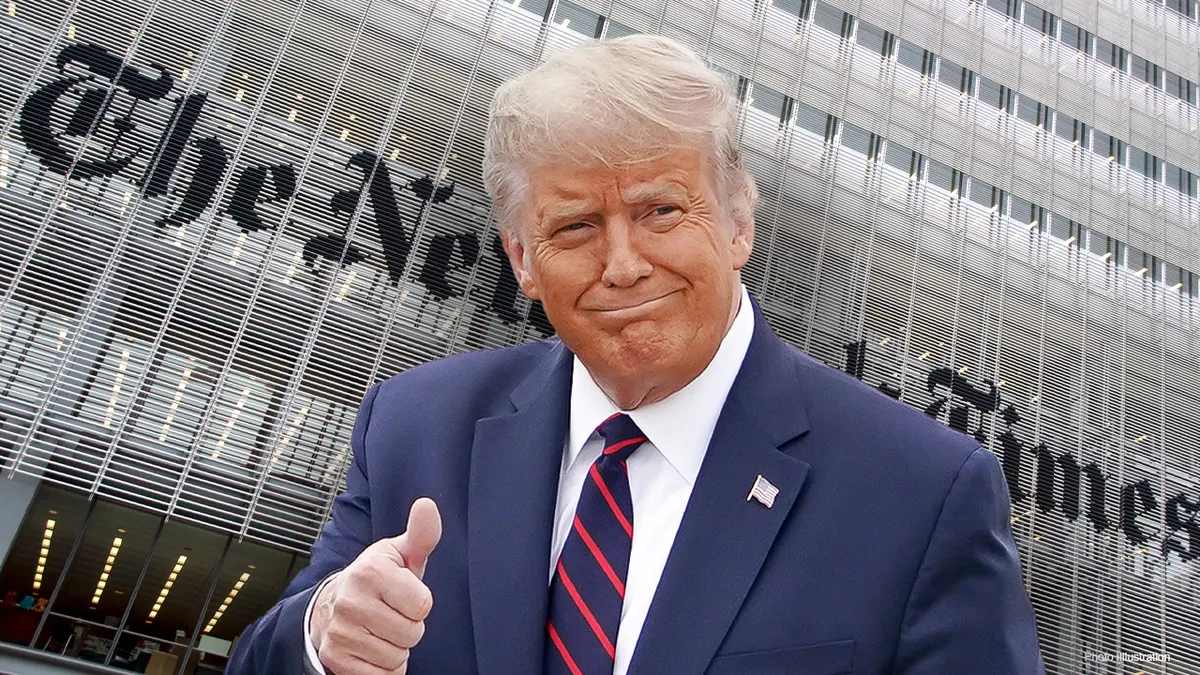
US President Donald Trump on Saturday called on countries that depend heavily on oil transported through the Strait of Hormuz to take a more active role in safeguarding the strategic waterway, saying the United States would support an international effort to keep the passage open.
Posting on social media, Trump said nations that benefit from shipments moving through the narrow corridor should help secure it alongside the United States.
“The United States of America has beaten and completely decimated Iran, both militarily and economically,” Trump wrote. “But the countries of the world that receive oil through the Hormuz Strait must take care of that passage and we will help, a lot.”
He added that Washington would coordinate with partner nations to ensure the route is reopened quickly and safely. According to Trump, protecting the vital energy corridor “should have always been a team effort.”
The remarks come as global oil prices have surged roughly 40 percent amid escalating tensions with Iran, which has effectively crippled shipping through the strait after launching attacks on Gulf energy infrastructure following joint US-Israeli strikes that ignited the current conflict.
The Strait of Hormuz, situated between Iran and Oman, is one of the most critical maritime chokepoints in the world. Nearly a fifth of global crude oil and liquefied natural gas shipments normally pass through the narrow waterway, which is just about 54 kilometres (34 miles) wide at its narrowest point.
Trump also signalled that Washington is preparing to escort oil tankers through the passage, while urging other major economies including China, France, Japan, South Korea and the United Kingdom to deploy naval assets to the region.
Despite claiming Iran’s military power has been severely weakened, Trump acknowledged the country still has the capacity to disrupt shipping in the strategic corridor.
“It’s easy for them to send a drone or two, drop a mine, or launch a short-range missile somewhere along this waterway,” he said, warning that even a weakened Iran could still threaten vessels moving through the strait.
The US president added that American forces would not hesitate to respond aggressively if the disruption continues.
“The United States will be bombing the hell out of the shoreline and continually shooting Iranian boats and ships out of the water,” he said. “One way or another, we will soon get the Hormuz Strait open, safe and free.”
Meanwhile, the US military has intensified operations against Iranian energy facilities. On Friday, American forces carried out heavy strikes on targets on Kharg Island, the island that handles the vast majority of Iran’s crude exports.
Although the island’s oil infrastructure was spared in the latest round of strikes, Trump warned it could become a target if Iran or any other actor interferes with maritime traffic in the strait.
Washington’s push for broader military involvement, however, has been met with caution from some allies.
While few countries have openly backed the US-Israeli offensive against Iran, several have begun strengthening their military presence in the region as tensions rise.
Earlier this week, Emmanuel Macron visited a French aircraft carrier deployed to the Mediterranean, saying France and its partners were preparing a “defensive” mission aimed at helping restore safe navigation through the strait.
The United Kingdom has also taken steps to bolster its regional posture. A British warship departed southern England on Tuesday bound for the eastern Mediterranean following a drone attack on the UK’s military base at RAF Akrotiri in Cyprus.
As tensions escalate and shipping remains stalled, the fate of the Strait of Hormuz and the stability of global energy markets now hangs on whether an international coalition can quickly restore security to one of the world’s most vital oil routes.
About the Author