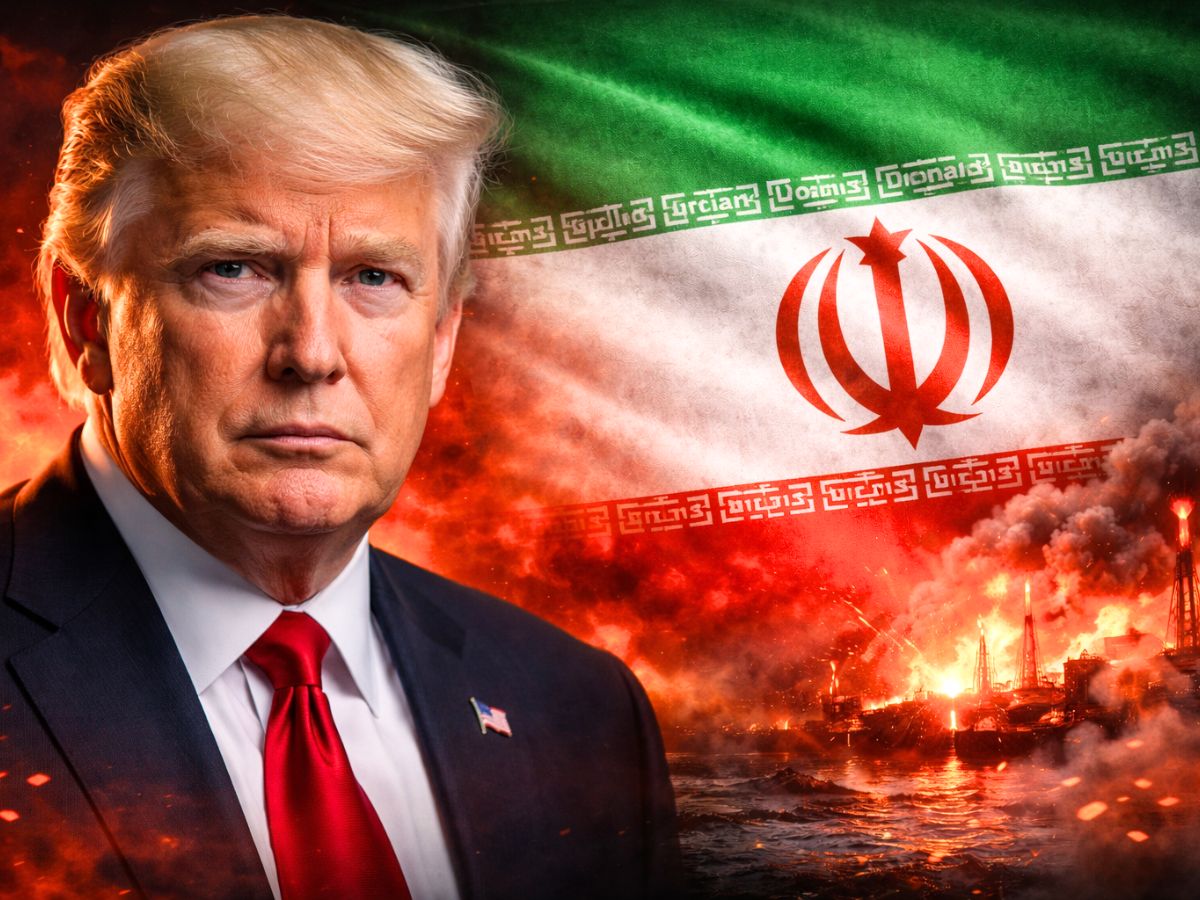
Donald Trump has announced a temporary halt to planned U.S. strikes on Iranian energy infrastructure, citing what he described as “very good and productive” talks with Iran aimed at easing escalating tensions in the Middle East.
In a statement posted early Monday on his Truth Social platform, Trump said Washington and Tehran had held two days of intensive discussions focused on achieving what he called a “complete and total resolution” to the ongoing hostilities.
He added that, based on the tone and progress of those talks, he had directed the U.S. military to suspend planned attacks on Iranian power plants and energy facilities for five days, pending the outcome of further negotiations scheduled for later this week.
The decision came just hours before the expiration of a 48-hour ultimatum issued by Washington demanding that Iran reopen the strategically vital Strait of Hormuz, a key global shipping route that has remained severely disrupted amid the conflict.
Trump had earlier warned that failure to restore unrestricted maritime passage would trigger strikes targeting Iran’s energy network.
The latest diplomatic pause unfolds against the backdrop of Operation Epic Fury, the ongoing conflict that began on February 28 with coordinated U.S.-Israeli strikes targeting Iranian nuclear facilities, missile installations, and senior military assets.
Since then, the confrontation has intensified, with Iran launching retaliatory missile attacks on U.S. positions in the Gulf and Israeli cities, while also contributing to major disruptions in regional shipping.
Global markets reacted swiftly to Trump’s announcement, with oil prices falling sharply after weeks of volatility driven by fears over energy supply disruptions through the Strait of Hormuz.
Analysts say the five-day pause offers a narrow diplomatic window, though uncertainty remains high as both sides continue to exchange threats.
Despite the temporary suspension of military action, tensions remain elevated. Iranian officials have warned that any renewed attack on their territory could trigger broader retaliation across the Persian Gulf, while regional military operations involving Israel continue in neighbouring conflict zones.
About the Author