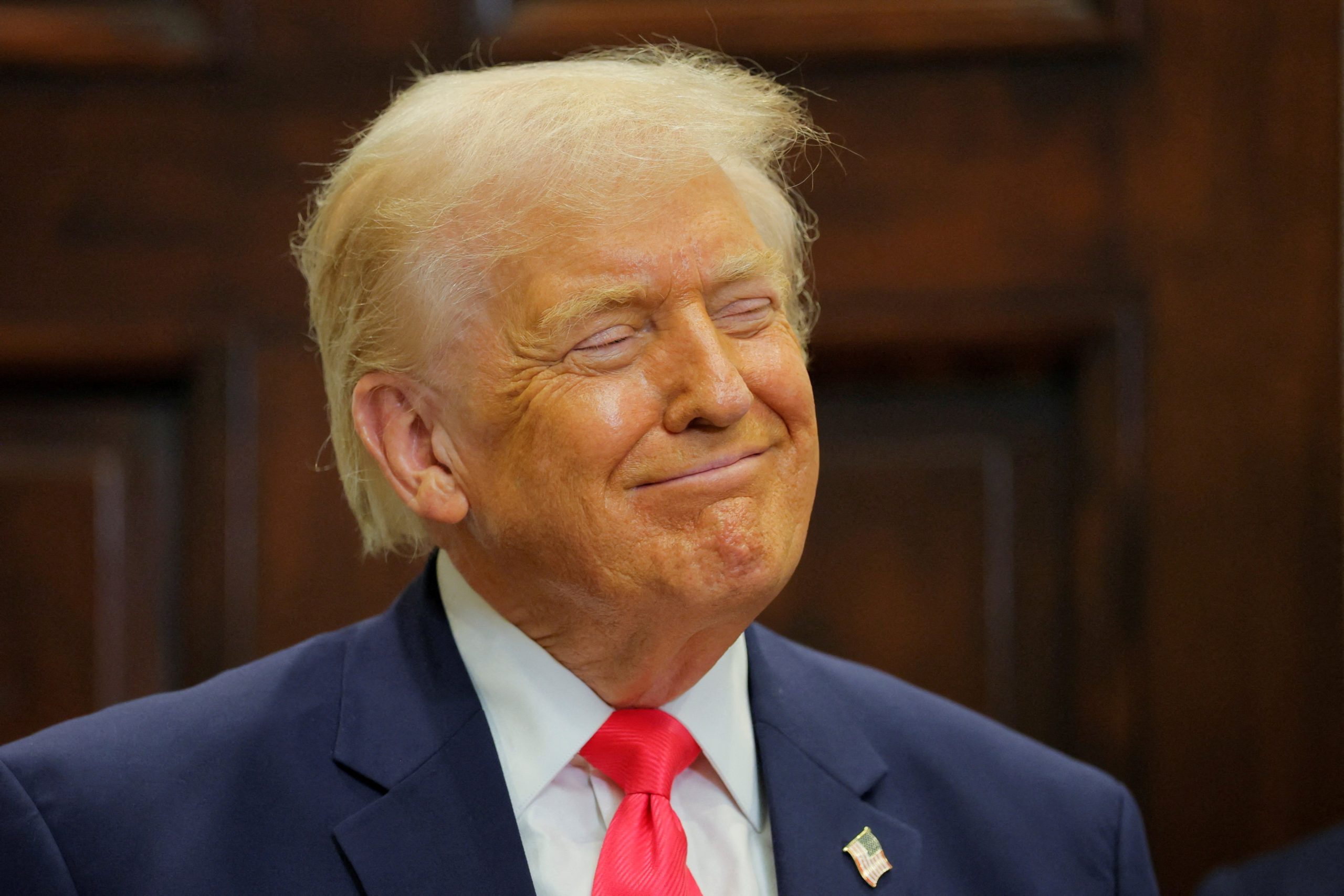
US President Donald Trump is expected to address the potential loosening of federal regulations on marijuana on Thursday (December 18), according to a White House official, setting up a decision that could sharply reverse decades of US drug policy.
Trump said on Monday that he was considering an executive order to reclassify marijuana as a less dangerous drug – a decision that could reshape the cannabis industry, ease criminal penalties and unlock billions in research funding.
Such a shift would represent one of the most significant federal changes to marijuana policy in decades, reducing oversight to the level of common prescription drugs and potentially opening doors long closed to banks and investors.
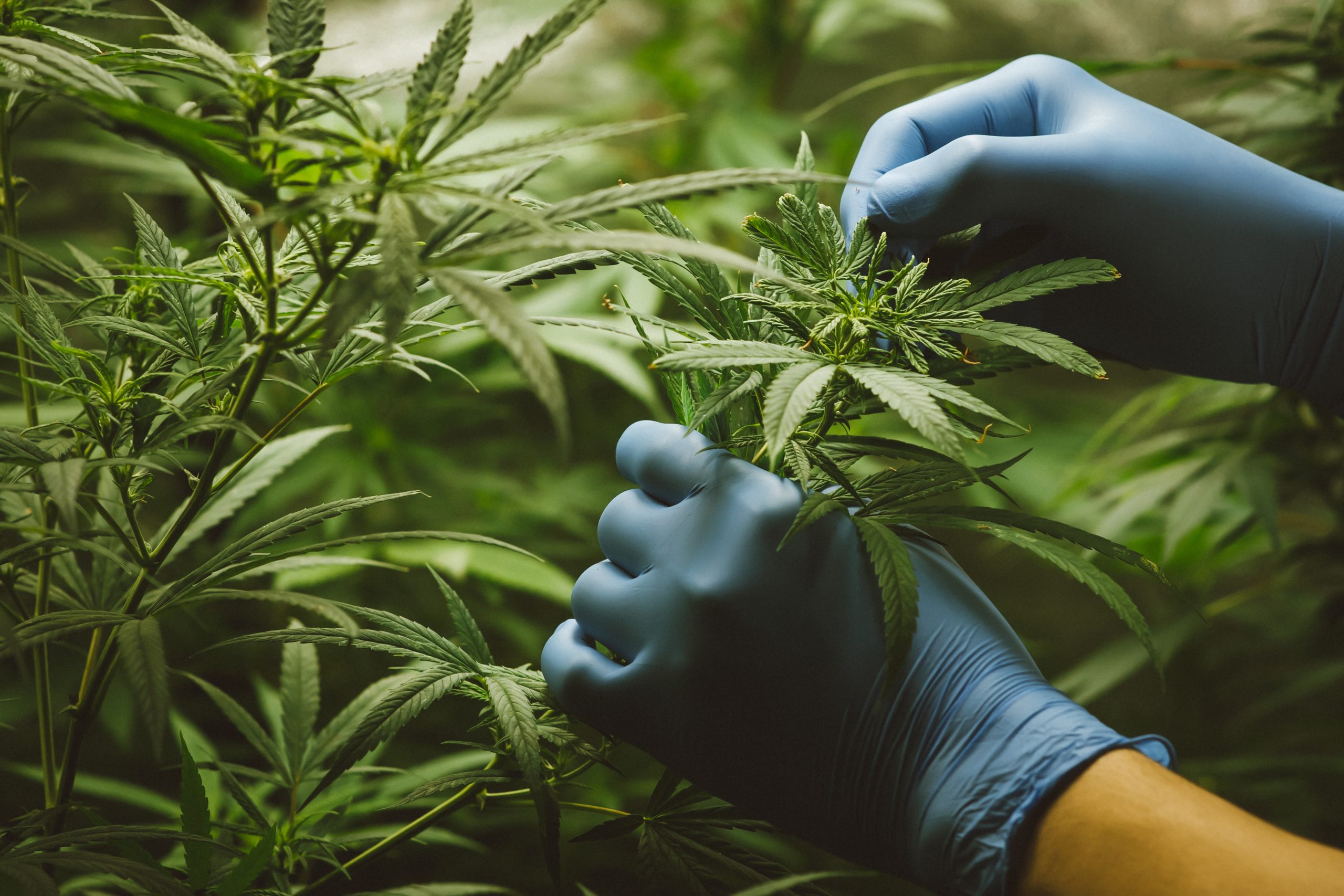
Under the US Controlled Substances Act, marijuana is listed as a Schedule I substance like heroin, ecstasy and peyote, implying it has a high potential for abuse and no currently accepted medical use. Local authorities often impose more lax regulations over weed, allowing medical or recreational use.
Legal experts say moving marijuana to Schedule III would ease some restrictions but would not resolve the conflict between state and federal law. Vanderbilt University law professor Robert Mikos said the federal government would still prohibit recreational sales and that marijuana would remain illegal under separate federal food and drug laws, even for medical use.
The change could nonetheless provide meaningful financial relief for cannabis companies, analysts say, by eliminating a federal tax provision that prevents businesses selling Schedule I substances from taking standard deductions, potentially lowering their tax burden.
However, Mikos said banks would likely remain wary of serving the industry as long as marijuana sales remain illegal under federal law, limiting access to financing and other basic business services.
Advocacy groups welcomed the possibility of reclassification but cautioned the process could take months or longer. Paul Armentano, deputy director of the National Organization for the Reform of Marijuana Laws (NORML), said the president does not have unilateral authority to reschedule marijuana and must rely on federal agencies to complete the process.
About the Author