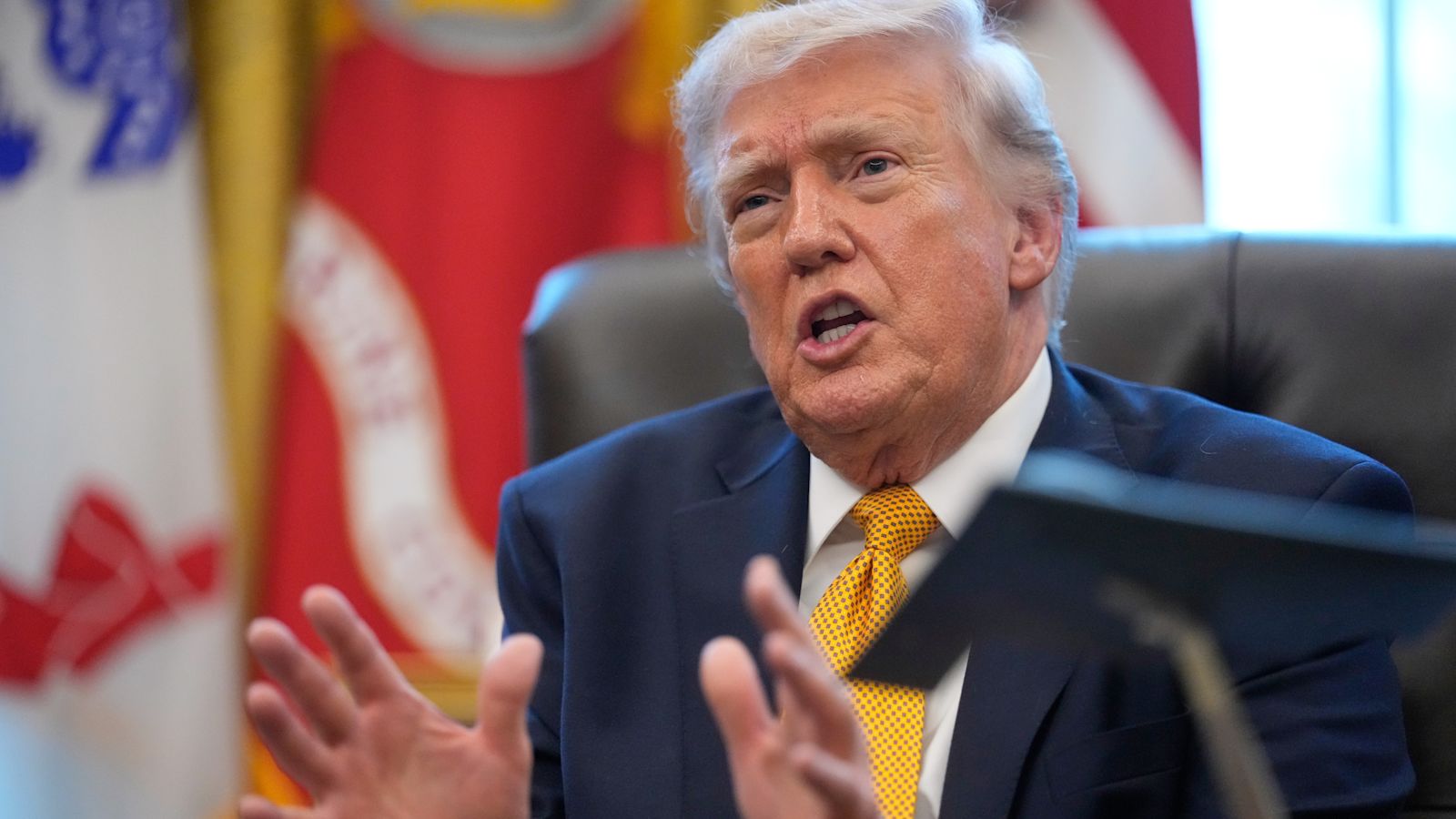
President Donald Trump has said he is considering pulling the United States out of NATO, according to an interview with The Telegraph, while also suggesting that potential US military action in Iran could conclude within “two to three weeks.”
Trump’s remarks come amid heightened tensions in the Middle East, even as signals from both Washington and Tehran hint at possible de-escalation.
UK Prime Minister Keir Starmer announced that Britain will host a high-level meeting involving dozens of countries later this week to address the growing security concerns around the Strait of Hormuz. The move, according to political observers, underscores Starmer’s effort to strengthen ties with European partners and coordinate a broader international response to the crisis.
On the Iranian side, President Masoud Pezeshkian indicated that Tehran is open to ending hostilities, stating the country has the “necessary will” to stop the war—provided there are guarantees it will not resume.
Amid the geopolitical maneuvering, the human toll of the conflict continues to mount. A Tehran resident in his twenties, speaking under conditions of restricted internet access, described the psychological strain of the war, saying: “I feel like I’ve been in a purgatory for a month… I’m so tired of the war.”
Economic indicators also reflected cautious optimism following the leaders’ remarks. Global oil prices slipped below $100 per barrel after earlier spikes, suggesting easing fears of prolonged disruption. The UK’s airline industry body reported no immediate impact on jet fuel supplies, indicating that key energy routes remain functional for now.
However, fighting on the ground shows little sign of abating. Exchanges of strikes between Israel and Iran are ongoing, with Iran also targeting Gulf states. In Lebanon, images emerging from affected areas reveal extensive structural damage from continued Israeli airstrikes, highlighting the widening regional impact of the conflict.
Boluwatife Enome