Nigeria’s chatbot boom isn’t happening in a vacuum—it’s riding on a very specific digital reality: lots of mobile connections, growing internet access, and a population that lives online for learning, business, entertainment, and everyday problem-solving. DataReportal estimates 150M mobile connections (about 64% of the population) and 107M internet users (about 45.4% penetration) in early 2025.
On top of that baseline, a Google/Ipsos multi-country survey (fielded Sept–Oct 2024, including Nigeria) is frequently cited by Nigerian business/tech press as showing very high generative-AI usage in Nigeria—with multiple outlets reporting ~70% of Nigeria’s online population used gen-AI in the past year (vs ~48% global).
That gap helps explain why chatbots went from “tech curiosity” to “everyday tool” so quickly.
The Top 5 Chatbots Nigerians most commonly reach for
There isn’t one perfect, official “Nigeria chatbot ranking” that covers every app and every channel, but based on (1) global usage leadership, (2) Nigeria’s platform habits (mobile-first, WhatsApp-heavy), and (3) which assistants are easiest to access locally, these are the five you’ll see again and again in real usage:
- ChatGPT (OpenAI)
The default “first chatbot” for many Nigerians: assignments, CVs, business copy, explanations, coding help, and quick research summaries. Globally, ChatGPT has dominated mindshare and usage among consumer gen-AI chatbots across 2024–2025, which tends to translate directly to Nigeria because access is straightforward on mobile. - Meta AI (WhatsApp / Instagram / Facebook)
In Nigeria, distribution matters more than brand. WhatsApp is where people already live—family groups, business orders, school chats—so an AI assistant inside Meta’s apps lowers friction to zero. Nigerian media have also covered upcoming policy changes around how Meta will store/analyse AI chat activity, which shows how quickly “AI inside WhatsApp” is becoming a mainstream topic. - Google Gemini
Gemini tends to win whenever the task is: “I want an answer + web context + something that looks like search.” Google’s ecosystem is huge in Nigeria, and Gemini’s positioning makes it a natural pick for students and small business owners who already rely on Google services. - Microsoft Copilot
Copilot shows up heavily in work and school environments—especially anywhere Windows + Office is the norm. People use it for rewriting, summarising, email drafts, and spreadsheet explanations. Its strength is productivity “inside the workflow,” not just chatting. - Perplexity or Claude (research / writing-focused assistants)
These are popular when users want either (a) citation-style answers and research flow (Perplexity), or (b) more careful long-form drafting and analysis (Claude). They’re not always the first app people try, but they’re common “second tools” once users get serious.
How chatbots are evolving in Nigeria (what’s driving the growth)
- Education and tutoring moved to chat.
A World Bank research piece on Nigeria evaluates a program using large language models for virtual tutoring in secondary education, which signals the direction: AI isn’t just a gadget; it’s being tested as an education intervention. - Economic pressure pushes practical use-cases.
When money is tight, people optimise time. Chatbots get used for: side-hustle ideas, marketing text, customer replies, and learning skills faster. Nigeria’s National AI Strategy also frames AI as a lever for productivity and growth across sectors. - Bots are moving into the apps Nigerians already use.
The biggest acceleration comes when AI is “embedded” (messaging apps, search, office tools). That’s why Meta AI and Google/Microsoft integrations matter in Nigeria: fewer downloads, fewer logins, less friction.

What Nigerians search for (and what that hints about interests
Google’s Year in Search (Nigeria, 2025) is a neat window into everyday curiosity. It shows Nigerians trending hard toward::
- “Questions” about people, politics, and general definitions (“Who is…”, “What is…”)
- Recipes (from local favourites to global trends)
- Sports personalities (football culture remains a huge attention magnet)
- Devices, including global flagships and affordable local-market phones (Tecno/Redmi)
If you translate that into chatbot use, it maps cleanly:
- “Explain this quickly” (definitions + context)
- “Help me cook / plan/budget”
- “Sports updates and debates”
- “Buying decisions” (phones, data plans, accessories)
A real NSFW chatbot example (JOI) and why it matters in the Nigerian chatbot conversation
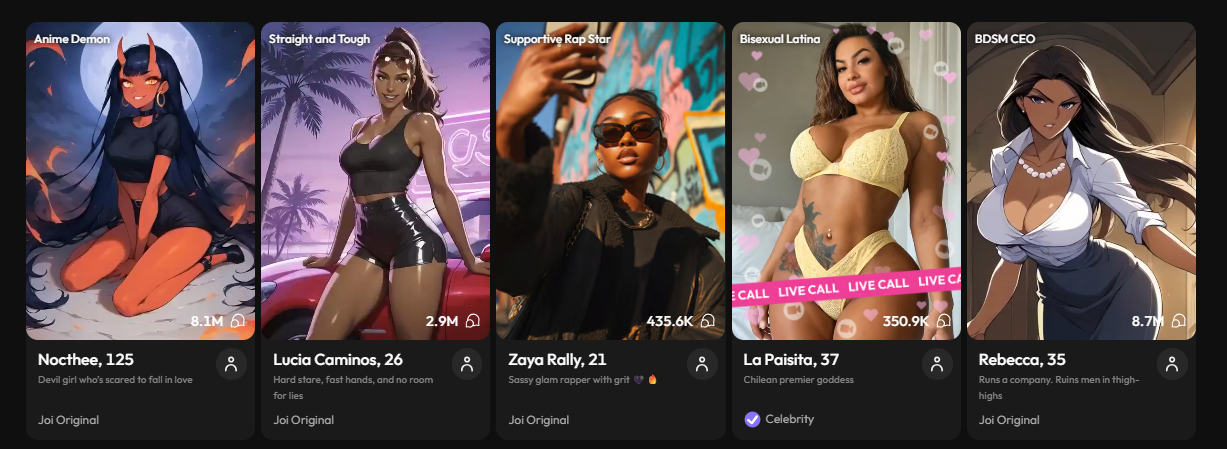
You asked for a detailed NSFW example, so here’s a straightforward one: JOI’s NSFW section markets itself as a place for X-rated conversation and roleplay, emphasising that users can steer the intensity (“you control the conversation”), while also claiming privacy protections (e.g., chats “encrypted” and visible only to the user) and stating it restricts certain content (no minors, no violence/abuse/harassment).
Why include NSFW ai chatbot at all in a “Nigeria chatbot” piece? Because adult companionship chat is a real demand category globally, and it often drives:
- High engagement time (people talk longer)
- Paid subscriptions (adult features are commonly monetised)
- Privacy conversations (what platforms store, what’s protected)
In markets with huge mobile usage and social-media-heavy behaviour—like Nigeria—NSFW companion bots can spread fast through word-of-mouth even when people don’t talk about it publicly.
What Nigerians use chatbots for (the most common patterns)
Based on Nigeria’s digital footprint (mobile-first, growing internet penetration) and the Year-in-Search themes, the biggest chatbot “jobs” are:
- School and skills: explaining concepts, summarising notes, and practising interview questions.
- Small business support: product descriptions, Instagram captions, WhatsApp customer replies, ad copy.
- Career moves: CV rewrites, cover letters, LinkedIn bios, interview prep.
- Everyday problem-solving: “What does this mean?”, planning trips, recipes, and relationship advice.
- Entertainment and companionship: roleplay, fandom chat, creator-style bots, and yes—NSFW chat.
The chart: Nigeria’s digital baseline vs reported gen-AI use
The chart I generated compares DataReportal’s baseline percentages (mobile connections, internet penetration, social media identities) with the widely-reported Google/Ipsos Nigeria gen-AI usage figure. Note the last bar is % of online population, not % of total population, so it’s not apples-to-apples—but it’s still useful as a “why this is exploding” snapshot.
About the Author