Presidential aide says global oil market dynamics not absence of strategic reserves are driving Nigeria’s latest fuel price surge…..
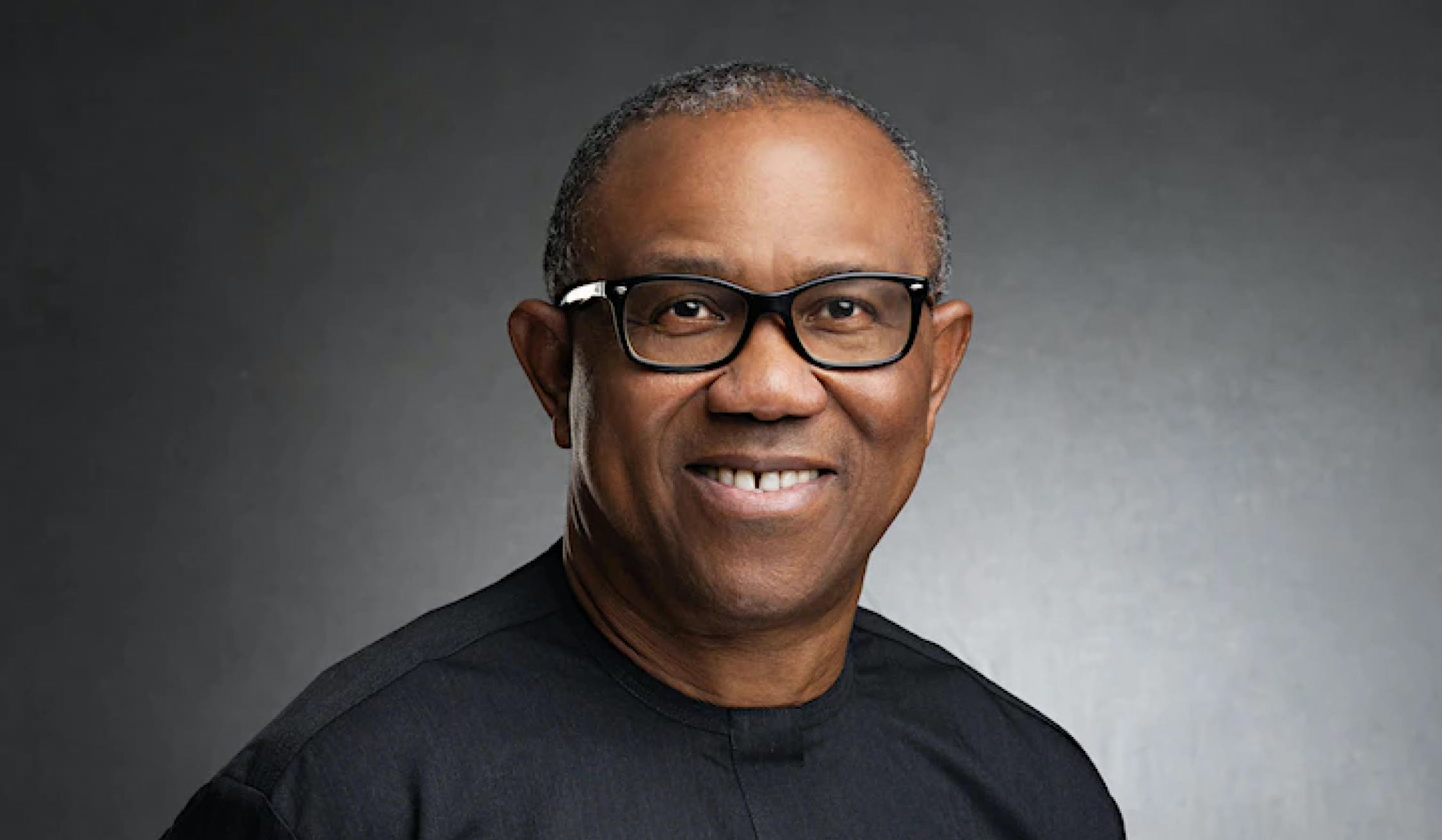
A heated exchange has erupted between Peter Obi, the 2023 presidential candidate of the Labour Party, and Dada Olusegun, Special Assistant on Social Media to Bola Ahmed Tinubu, over the recent rise in petrol prices in Nigeria.
Olusegun took to X on Saturday to criticise Obi’s comments on the country’s fuel price situation, accusing the former Anambra State governor of misunderstanding the dynamics behind the increase.
The presidential aide was reacting to a statement posted by Obi on Thursday in which the former governor attributed Nigeria’s vulnerability to global oil price shocks to the absence of a strategic petroleum reserve and poor long-term planning.
In his response, Olusegun dismissed the argument, saying the current rise in petrol prices is largely the result of market forces following the removal of fuel subsidies by the administration of President Tinubu.
According to him, the deregulation of Nigeria’s fuel market means pump prices are now influenced by several international and economic factors, including global crude prices, foreign exchange fluctuations, shipping costs and supply disruptions.
He added that geopolitical tensions involving Iran have contributed to the latest spike in global oil prices, which inevitably affects countries like Nigeria that rely heavily on imported refined petroleum products.
Olusegun also argued that the existence of a strategic petroleum reserve does not automatically shield countries from everyday price fluctuations.
He pointed out that major economies such as the United States and China maintain large reserves mainly for emergency situations such as wars, embargoes or severe supply disruptions, rather than to regulate routine fuel prices.
The presidential aide said Nigeria’s long-standing problem lies deeper than the lack of reserves, citing decades of weak domestic refining capacity and dependence on imported fuel despite the country being a major crude oil producer.
According to him, the combination of limited refining capacity and persistent foreign exchange pressures has made Nigeria particularly sensitive to global price swings.
Olusegun further noted that Obi himself had previously supported the removal of fuel subsidies during his presidential campaign, arguing that the current market-driven pricing environment is consistent with that policy position.
He concluded by warning that oversimplifying a complex global energy issue risks misleading the public and undermining serious economic discussions.
The exchange began after Obi raised concerns about the impact of global developments on Nigeria’s economy, pointing to tensions in the Middle East as a recent example of how external shocks can quickly affect local fuel prices.
Global oil markets have remained volatile in recent weeks as geopolitical tensions continue to disrupt supply. Crude oil prices climbed above $100 per barrel on Friday amid concerns about prolonged instability in the region, while stock markets experienced declines as investors reacted to fears of rising inflation and a potential slowdown in global growth.
The benchmark Brent Crude briefly dipped below the $100 mark during trading before climbing back above the threshold, reinforcing uncertainty across financial markets.
The developments have already had ripple effects in Nigeria’s downstream petroleum sector. The Dangote Petroleum Refinery initially increased the gantry price of petrol to ₦1,175 per litre and diesel to ₦1,620 per litre before later reducing the petrol price by ₦100 to ₦1,075 per litre.
As global energy markets remain unsettled, analysts say Nigeria’s dependence on imported refined products means domestic fuel prices may continue to react quickly to international developments.
About the Author