Government orders immediate return to cash payments while a new electronic system is redesigned to prevent traffic chaos at Lagos and Abuja airports…..
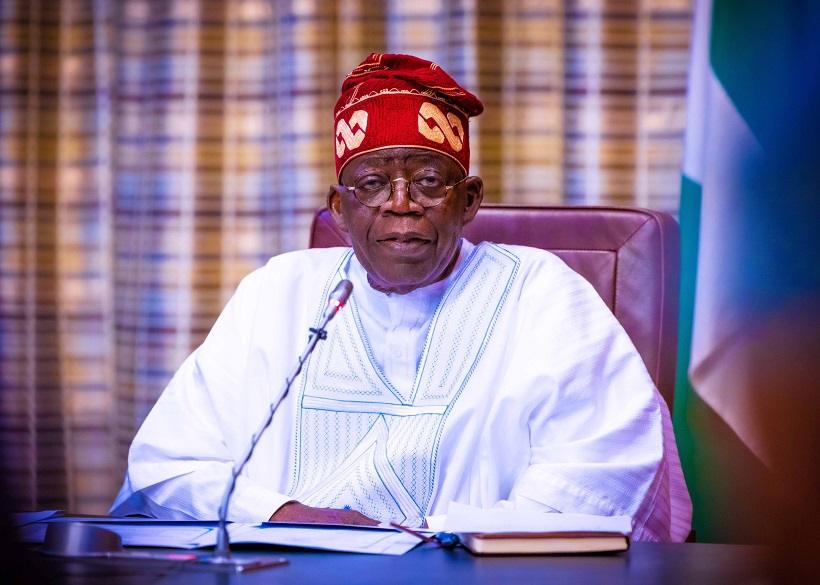
President Bola Tinubu has ordered the suspension of the recently introduced cashless payment system at airport toll gates nationwide following severe traffic congestion that caused many passengers to miss their flights.
The directive was announced on Wednesday by the Minister of Aviation and Aerospace Development, Festus Keyamo, shortly after the Federal Executive Council meeting at the State House in Abuja.
Keyamo explained that the decision was taken after the President received reports of massive gridlock at airport access roads, particularly in Lagos and Abuja, where motorists struggled to complete electronic payments at toll gates.
“Mr. President was very concerned about the welfare of Nigerians and the fact that many people were missing their flights,” the minister said. “Out of empathy, he directed that the current system be suspended immediately because it is causing significant gridlock and hardship.”
According to Keyamo, the primary objective of the suspension is to ease the traffic congestion that has built up around airport entrances since the policy was introduced.
The minister clarified that the President is not opposed to digital payment systems but believes the current implementation was rushed and needs to be improved before it can function effectively.
“The major reason for this decision is to eliminate the gridlock we are currently experiencing, especially at the Lagos and Abuja airport toll gates,” he said. “This is an empathetic decision to reduce the suffering Nigerians are facing.”
The cashless toll system had been introduced by the Federal Airports Authority of Nigeria to replace the long-standing cash collection method used at airport toll gates and parking facilities.
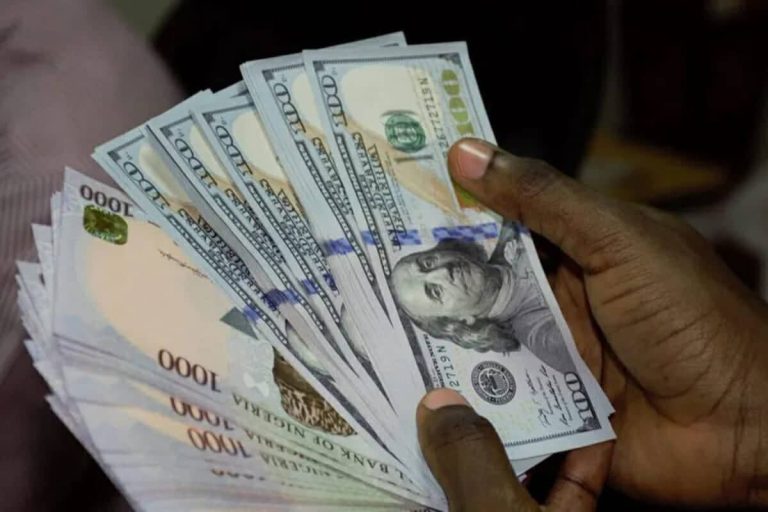
For more than five decades, FAAN relied on manual cash payments from motorists entering airport premises across the country. The new system required users to either obtain prepaid FAAN cards or use electronic payment platforms before passing through the toll gates.
However, within days of its rollout, the policy triggered heavy congestion on access roads leading to major airports. Travelers reported spending several hours in traffic, with many missing scheduled flights due to the delays.
Keyamo said the President has instructed the ministry to revisit the policy framework and redesign the system to ensure it works efficiently without disrupting airport operations.
“In fact, the President directed that this process should not take too long,” the minister added. “We have been asked to go back to the drawing board and present a more efficient system.”
As part of the immediate solution, the government has introduced a temporary hybrid arrangement that will allow both cash payments and the continued use of FAAN prepaid cards already purchased by motorists.
“I am directing FAAN to suspend the current process and revert to the previous system,” Keyamo stated. “Those who have already bought FAAN cards can still use them while cash payments will also be accepted temporarily.”
The minister also revealed that the Federal Government is considering private sector participation in the management of airport toll payment systems to ensure smoother operations and improved revenue collection.
According to him, the administration is open to engaging companies capable of deploying efficient electronic tolling infrastructure that can eliminate cash payments without creating traffic bottlenecks.
“Mr. President indicated that even if we have to pay commissions to private operators, we will consider it,” Keyamo said. “The goal is to design a system that removes cash from the gates while ensuring smooth traffic flow.”
The government, however, stressed that the return to cash payments is only temporary and that authorities are determined to transition to a fully digital system once the technical challenges are resolved.
Meanwhile, the Federal Executive Council also approved a rescoped second runway project for two of the country’s busiest airports the Murtala Muhammed International Airport in Lagos and the Nnamdi Azikiwe International Airport in Abuja.
Keyamo explained that the runway project, which was initiated by the previous administration, had to be revised due to foreign exchange fluctuations, compensation payments for affected landowners, and additional infrastructure requirements.
The revised project will be implemented in four phases, covering runway construction, installation of airfield lighting and navigation systems, provision of power infrastructure, and procurement of vehicles and support equipment needed for the new facilities.
Shortly after the suspension order was announced, the Director-General of the Federal Airports Authority of Nigeria, Olubunmi Kuku, arrived at the Presidential Villa for a closed-door meeting with the President.
Although officials did not disclose details of the meeting, it is believed to be connected to the operational challenges that forced the government to halt the cashless toll system earlier in the day.
The Lagos and Abuja airports handle the largest share of passenger traffic in Nigeria, meaning disruptions at their toll gates can quickly escalate into nationwide travel delays.
Airport users had taken to social media earlier in the week to share videos and complaints showing long queues of vehicles stretching for kilometres outside the airport gates, prompting the government’s swift intervention.
About the Author