New appropriation boosts capital projects and security funding as government stretches 2025 budget timeline to complete key infrastructure…..
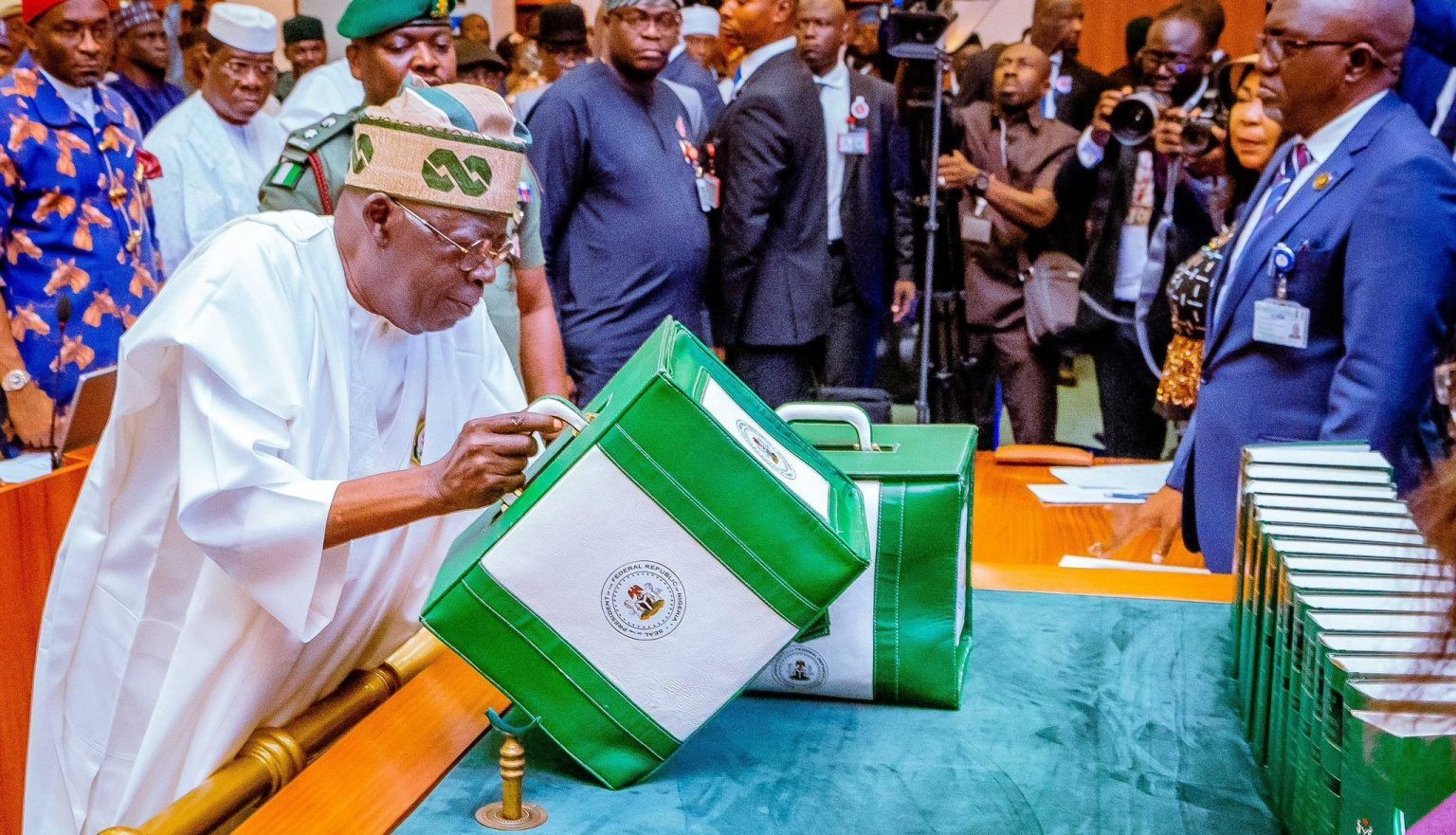
President Bola Tinubu has officially signed Nigeria’s 2026 Appropriation Bill into law, approving a record ₦68.32 trillion spending plan aimed at strengthening infrastructure, security, and economic growth.
In a statement released Friday by his Special Adviser on Information and Strategy, Bayo Onanuga, the presidency also confirmed that the implementation period for the 2025 budget has been extended from March 31 to June 30, 2026. The move is designed to give ministries, departments, and agencies (MDAs) more time to complete ongoing projects and fully utilize allocated funds.
The newly signed budget outlines a significant allocation to capital expenditure, with ₦32.2 trillion earmarked for development projects, roughly half of the total spending plan. Recurrent expenditure will account for ₦15.4 trillion, while ₦15.8 trillion is set aside for debt servicing. Statutory transfers will take up ₦4.799 trillion.
According to the presidency, the spending framework reflects a deliberate effort to balance existing financial obligations with investments that can drive productivity and improve living standards. The administration emphasized that priority areas include national security, infrastructure expansion, and inclusive economic growth.
The extension of the 2025 budget’s capital component, now running through June 2026, is expected to help MDAs consolidate work already in advanced stages. Officials say the adjustment will improve project completion rates and ensure better value for public spending.
With the 2026 fiscal plan taking effect from April 1, the federal government is set to begin full implementation under its broader reform agenda. The President has directed all government agencies to maintain strict discipline in spending, stressing transparency, efficiency, and timely delivery of projects.
Tinubu also acknowledged the role of the National Assembly in fast-tracking the passage of the budget, highlighting continued cooperation between the executive and legislative arms as key to achieving national development goals.
To finance the ambitious plan, the government will rely partly on external borrowing, following approval of a foreign loan package exceeding $21 billion. This comes as the administration seeks to bridge a sizeable gap between projected revenue and total expenditure.
The 2026 budget represents a sharp increase of ₦9.85 trillion over the initial proposal submitted to lawmakers and stands ₦13.33 trillion higher than the 2025 budget. It is built on key assumptions, including an oil price benchmark of $64.85 per barrel, daily crude production of 1.84 million barrels, and an exchange rate of ₦1,400 to the dollar.
During the budget presentation last December, Tinubu stressed that security spending would be tied to measurable outcomes, noting that improved safety remains central to economic stability. He also highlighted plans to strengthen agricultural value chains, boost food production, and invest in climate-resilient farming systems.
Despite the scale of the budget, concerns persist over Nigeria’s track record of implementation, with critics often pointing to delays in fund releases and incomplete projects. However, the administration insists the 2026 plan is structured to consolidate recent reforms and deliver tangible results.
Information Minister Mohammed Idris described the budget as a “consolidation and resilience” plan, saying it is intended to accelerate progress and ensure that economic gains translate into real improvements in the lives of Nigerians.
As implementation begins, attention will shift from projections to performance, testing whether the government can turn its largest-ever spending plan into visible outcomes across the country.