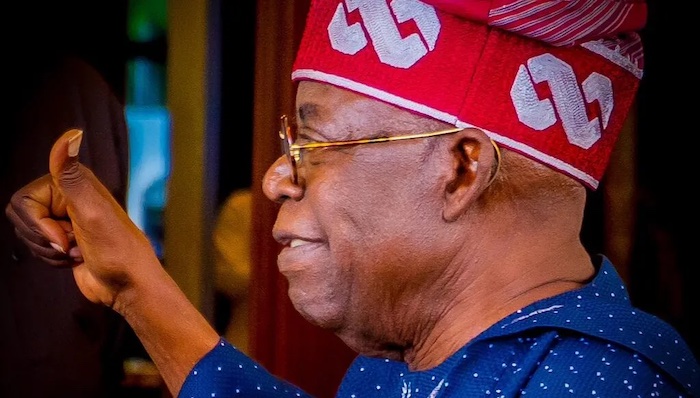
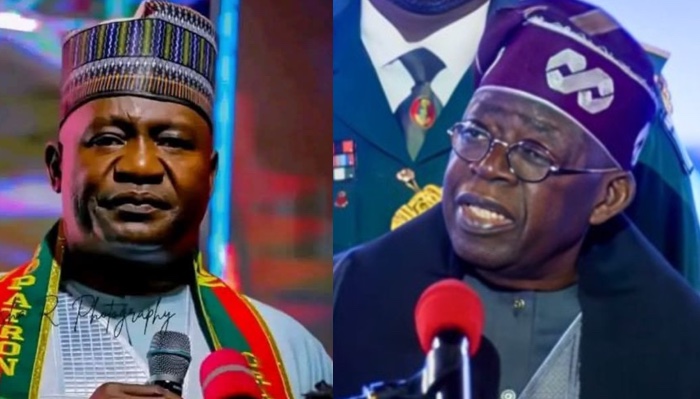
With less than two years to Nigeria’s next general elections, President Bola Ahmed Tinubu has allocated over N1 trillion to the Independent National Electoral Commission (INEC) in the 2026 fiscal plan.
The proposed allocation of N1,013,778,401,602, one of the largest in the commission’s history, is contained in the 2026 Appropriation Bill released by the Budget Office of the Federation. It forms part of the Federal Government’s N58.18 trillion budget, described as the “Budget of Consolidation, Renewed Resilience and Shared Prosperity”, which projects N34.33 trillion in revenue against N58.18 trillion in expenditure, including N15.52 trillion for debt servicing.
The funding signals early preparation for the 2027 general elections, widely regarded as one of the country’s largest civil operations.
The Electoral Act 2022 requires that election funds be released at least one year before polls. In past elections, INEC spent N313.4 billion for the 2023 general elections, compared with N143 billion in 2019 and N108.8 billion in 2015.
Projections for 2027 suggest higher costs. Former INEC adviser Bolade Eyinla estimates the elections could cost around N870 billion, reflecting Nigeria’s large electorate of over 93 million registered voters, 176,846 polling units, and 1,558 constituencies.
Speaking at the Yiaga Africa 2027 Elections Scenarios and EMRI Retreat, Eyinla described Nigeria’s elections as “among the largest peacetime civil operations in the world”, noting that the cost of about $6.72 per voter aligns with international benchmarks for emerging democracies.
About the Author