President Says Milestone Signals Renewed Investor Confidence, Positions Nigeria Among World’s Top-Performing Equity Markets
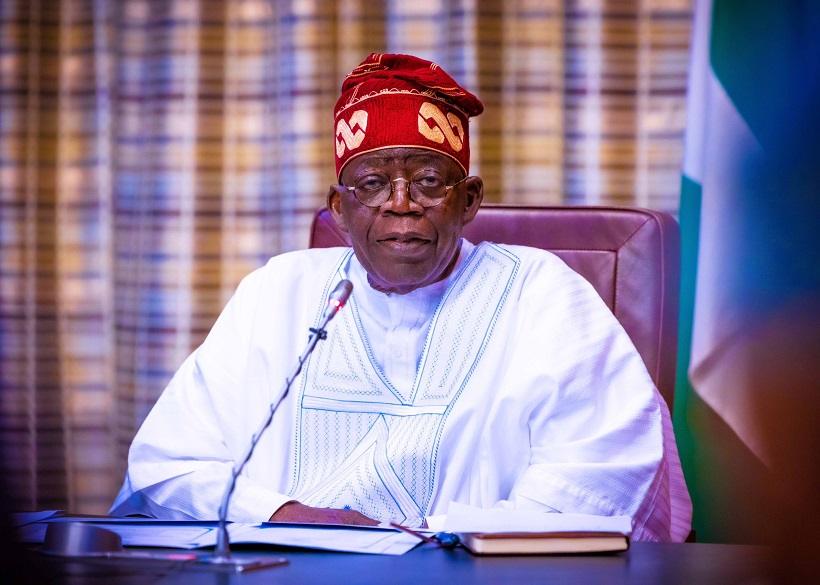
President Bola Ahmed Tinubu has expressed excitement over the Nigerian capital market crossing the ₦100 trillion market capitalisation threshold, describing the development as a landmark achievement and clear evidence of renewed investor confidence in the country’s economy.
In a statement issued by his spokesman, Bayo Onanuga, the President said the milestone marked the emergence of a new economic phase for Nigeria, driven by market reforms and growing investor participation.
“With the Nigerian Exchange (NGX) surpassing the historic ₦100 trillion market capitalisation mark, Nigeria is witnessing the dawn of a new economic reality and revitalisation,” the statement read in part.
The NGX All-Share Index closed the 2025 trading year with a return of 51.19 per cent, significantly higher than the 37.65 per cent recorded in 2024. The performance also outpaced major global benchmarks such as the S&P 500 and the FTSE 100.
According to Tinubu, the strong showing places Nigeria among the best-performing equity markets globally and reinforces the country’s transition from being a peripheral frontier market to a viable destination for value-driven investments.
The President noted that companies across critical sectors have posted impressive results, pointing to industrial firms that have strengthened local supply chains and a banking sector benefiting from digital innovation and improved resilience.
He also disclosed that the Nigerian Exchange is witnessing a steady pipeline of new listings, with indigenous energy companies, technology firms, telecommunications operators and infrastructure-related businesses seeking to raise capital for expansion through the market.
Commenting on broader economic indicators, Tinubu said inflation has continued on a downward trajectory following the initial challenges associated with ongoing reforms. He noted that inflation declined from a 24-month peak of 34.8 per cent in December 2024 to 14.45 per cent by November 2025.
The President added that projections indicate inflation could fall to about 12 per cent in 2026, with the possibility of dropping below 10 per cent before the end of the year.
He attributed the improvement to monetary tightening, the discontinuation of “ways and means” financing, improved currency stability, and increased investments in agriculture aimed at reducing food price pressures.
President Tinubu reaffirmed his administration’s commitment to policies focused on transparency, inclusiveness and sustainable growth, driven by comprehensive tax and fiscal reforms that took effect from January 1.
He described the ₦100 trillion market capitalisation milestone as a strong indicator of Nigeria’s economic resilience, productivity and long-term growth potential.
About the Author