Massive repayment plan targets decade-long debts, aims to stabilize power supply, boost investor confidence, and reduce reliance on generators…….
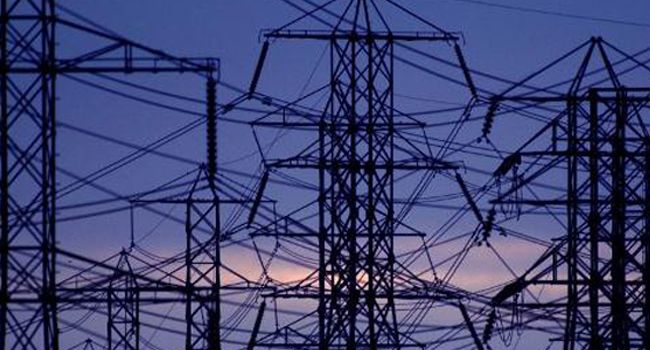
President Bola Tinubu has approved a sweeping ₦3.3 trillion settlement plan to clear long-standing debts in Nigeria’s power sector, signaling a major push to revive the country’s struggling electricity system and restore confidence among investors.
The announcement, made on Sunday by the President’s Special Adviser on Information and Strategy, Bayo Onanuga, follows a comprehensive review of liabilities accumulated over a 10-year period from February 2015 to March 2025 under the Presidential Power Sector Financial Reforms Programme.
After verification, the government and stakeholders agreed on ₦3.3 trillion as a “full and final settlement,” marking what officials describe as a decisive step toward resolving financial bottlenecks that have plagued the sector for years.
Implementation is already underway. Fifteen power generation companies have signed settlement agreements totaling ₦2.3 trillion, while the Federal Government has raised ₦501 billion to kick-start the process. Of that amount, ₦223 billion has already been disbursed, with additional payments ongoing.
A Turning Point for Nigeria’s Power Sector?
According to the Special Adviser on Energy, Olu Arowolo-Verheijen, the initiative goes beyond simply clearing debts.
“This is about rebuilding trust across the entire power value chain,” she said. “When gas suppliers are paid and generation companies are financially stable, power plants can operate more reliably. That’s how we begin to see real improvements.”
For years, Nigeria’s electricity challenges have been tied to deep-rooted financial issues ranging from unpaid invoices to liquidity shortfalls leaving generation companies unable to sustain consistent output.
What This Means for Nigerians
The government believes the repayment plan could unlock several benefits:
- More consistent electricity supply
- Improved operations across generation and distribution
- Reduced dependence on costly fuel-powered generators
The reforms also tie into broader changes already in motion, including improved metering systems and service-based tariffs that align electricity costs with quality of supply.
Authorities say priority will also be given to powering businesses, industries, and small enterprises sectors heavily impacted by unreliable electricity.
The Cost of Power Failure
Nigeria’s power crisis has come at a steep economic price. A 2024 report by Africa Trade Barometer estimates that the country loses about $26 billion annually due to electricity shortages. Businesses, forced to compensate with off-grid solutions, spend an additional $22 billion each year on fuel and generators.
Frequent grid collapses and insufficient generation capacity far below national demand have made stable electricity one of the country’s most pressing challenges.
What Comes Next
The Presidency says this settlement is only the first phase of a broader reform agenda. A second phase, known as “Series II,” is expected to begin within the current quarter, further targeting structural issues in the sector.
While the plan has been welcomed as a bold intervention, its long-term success will depend on consistent implementation, transparency, and sustained reforms.
For millions of Nigerians, the hope is simple: that this massive financial commitment finally translates into what has long been elusive reliable, steady power.