Six-month panel to design structural reforms, unlock up to $10bn in sector liquidity, and craft Nigeria’s 10-year energy transformation roadmap…..
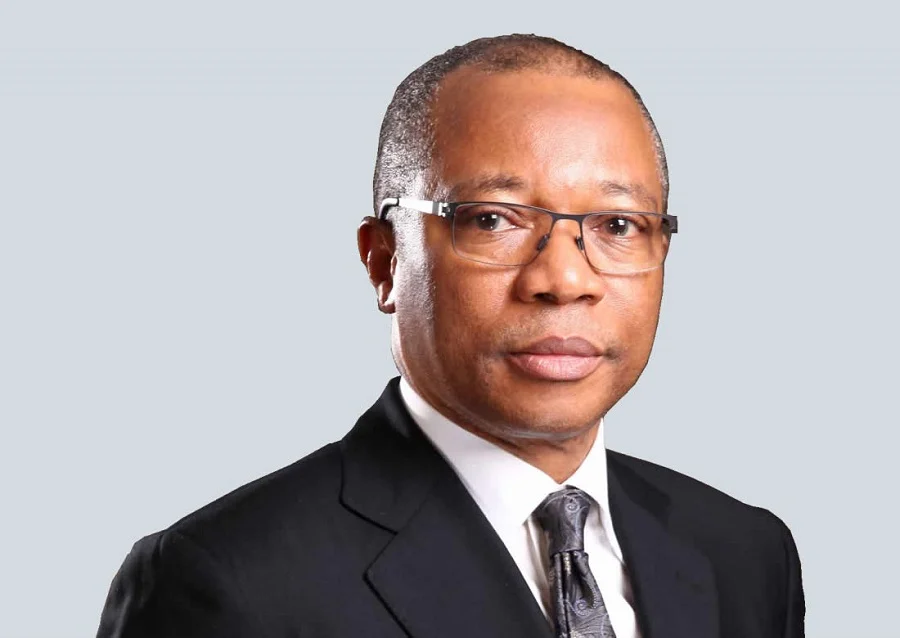
President Bola Ahmed Tinubu has appointed Fola Adeola, co-founder of Guaranty Trust Bank and founder of FATE Foundation, as chairman of the newly established Presidential Petroleum Reform and Value Optimisation Taskforce.
The high-level taskforce has been set up to design and coordinate the next phase of structural reforms in Nigeria’s petroleum sector, with the goal of strengthening governance, attracting investment, and maximizing the value of the country’s energy resources.
According to a statement issued on Friday by the President’s Special Adviser on Information and Strategy, Bayo Onanuga, the taskforce will operate as a time-bound executive working group focused on delivering practical and implementation-ready reform plans.
Unlike a representative committee, the body will function as a technical reform team, consulting widely with regulators, industry operators, investors, and civil society stakeholders while concentrating on policy design and execution strategies.
The taskforce will report directly to President Tinubu and is expected to submit monthly progress updates. An interim report is due within three months, while the final set of reform proposals will be delivered within six months of its inauguration, after which the body will dissolve.
Key Reform Blueprints
The statement revealed that the President has directed the taskforce to produce three major reform blueprints aimed at accelerating transformation across the petroleum industry.
The first is an Implementation Toolkit for Immediate Structural Fixes, which will include proposed legislative amendments, executive directives, and recommendations for institutional restructuring within the sector.
The second deliverable is the Capital and Liquidity Acceleration Blueprint, designed to unlock between $5 billion and $10 billion in financing for the petroleum industry while ensuring Nigeria’s sovereign interests remain protected.
The third component is a National Energy Transformation Strategy, a comprehensive 10-year roadmap that will outline measurable targets for crude production, foreign exchange earnings, sector contribution to GDP, and improvements in cost competitiveness.
Other Members of the Taskforce
The taskforce brings together several experienced figures from Nigeria’s energy, finance, and investment sectors. Members include:
- Ademola Adeyemi-Bero
- Osagie Okunbor
- Abubakar Suleiman
- Adaeze Aguele
- Farouk Gumel
- Phillipa Osakwe-Okoye
- Seyi Bella
Mofoluwasho Fadayomi will serve as the secretary of the taskforce.
Coordinating Ongoing Sector Reforms
President Tinubu has also instructed all ministries, departments, agencies, and regulatory bodies connected to the petroleum sector to provide full technical support to the taskforce. These institutions are expected to submit records of ongoing initiatives to ensure they align with the new reform framework.
In addition, existing committees and working groups involved in petroleum sector reforms have been directed to synchronize their activities, reporting lines, and work programmes with the taskforce.
The move, according to the presidency, is intended to eliminate duplication of mandates, improve coordination, and bring greater clarity to Nigeria’s petroleum reform architecture.
Driving Economic Transformation
The creation of the taskforce underscores the administration’s ambition to reposition Nigeria’s petroleum industry as a more competitive, transparent, and investment-friendly sector capable of supporting long-term economic growth.
Onanuga described the initiative as “a strategic presidential instrument to accelerate petroleum sector reforms, strengthen governance architecture, optimise national energy assets, and position Nigeria’s petroleum resources as a foundation for sustainable economic transformation.”
Background on Adeola
Adeola, a chartered accountant and prominent entrepreneur, co-founded Guaranty Trust Bank in 1990 and served as its pioneer managing director until 2002.
He later established the FATE Foundation in 2000 to promote entrepreneurship and wealth creation among Nigerian youths and small business owners.
Nigeria’s petroleum industry has already seen major policy shifts under President Tinubu, including the removal of petrol subsidy, the unification of foreign exchange windows, and ongoing efforts to increase crude oil production from about one million barrels per day to 1.5 million barrels per day.
With the new taskforce now in place, the administration is aiming to accelerate reforms and unlock the full economic potential of Nigeria’s oil and gas sector.
About the Author