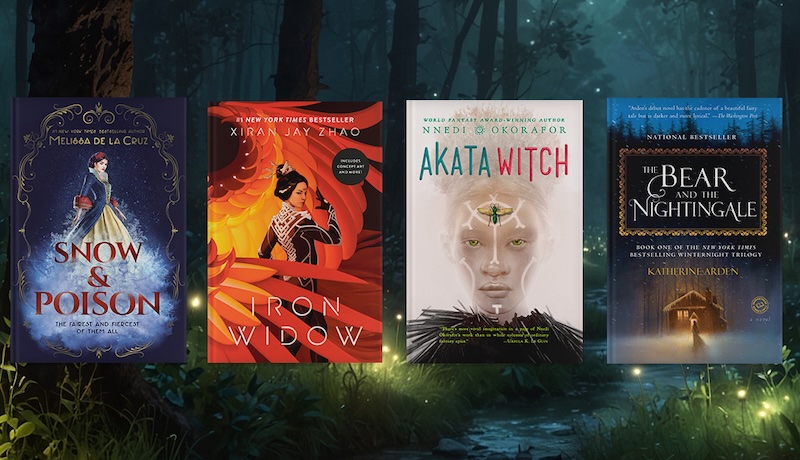
What do you look for in a novel? What catches your eye? If you are anything like me, you immediately gravitate towards the cover art. However, the cover art merely piques your interest. You won’t buy the novel until you flip the book over to read the synopsis.
I no longer follow that approach. I ignore summaries these days because I love the idea of opening that first page without knowing what to expect. I feel a tingle of excitement when I read that first chapter in a brand-new novel, as it gradually opens my eyes to an alien realm populated by characters I may grow to love.
I had noticed an infuriating trend; I would pick a novel off the shelf because the cover art had intrigued me, only to flip it over and gape in confusion because the publisher had not bothered to include a synopsis.
Instead, the back section was littered with quotes and blurbs from reviewers, influencers, and famous authors. How was I expected to decide whether or not I would enjoy the novel if the publisher would not tell me what it was about?
Many publishers have done away with book synopses entirely, and I can sort of see why. First, a blurb from a popular author is a powerful marketing tool. If I published a novel today, you wouldn’t give it a second thought because you don’t know anything about me.
But if you saw a quote on the cover in which George R.R. Martin described it as an ‘Epically Astounding Tale,’ you would buy it without a second thought because you love Game of Thrones.
Secondly, book synopses are often too long and detailed. In an attempt to entice readers, they reveal information that spoils some plot threats and character arcs. Quotes and blurbs eliminate this concern.
And yet, I have yet to come across a reader who prefers blurbs and quotes to synopses. If anything, the outcry against blurbs and quotes has only grown. This tactic is problematic for two reasons.
First, blurbs can reveal a novel’s tone and themes. But they rarely do. Instead, most are annoyingly generic, using terms such as ‘Page-Turner,’ ‘Astounding,’ and ‘Incredible’ that do a poor job of telling readers what to expect.
Second, you have no reason to trust them. Nathan Filer wrote an article for The Guardian in which he revealed that Joe Dunthorne had only written a glowing quote for his book because the two are friends.
Nathan specifically asked Dunthorne for that quote as a favour. He understood that a blurb from an established author would boost his novel’s sales. Nathan also admitted to receiving manuscripts from publishers who ask him to provide encouraging blurbs as a means of selling new novels.
That matters because many published authors are simply too busy writing and marketing their own books to read the dozens of manuscripts publishers send them.
In other words, just because George R.R. Martin added his quote to a novel’s cover does not mean he actually read it. This explains the vague language you find in so many blurbs. You can’t even rule out the possibility that some authors are paying social media influencers to add positive blurbs and quotes to their debut novels.
Stop buying books simply because they feature compelling quotes and blurbs from your favourite authors. Don’t be so quick to interpret the blurb as an endorsement.
Instead, look for recommendations from critics and reviewers you trust, not to mention the online book communities you frequent. Also, you might be better off avoiding books that cannot be bothered to include a synopsis at the back.
mbjjnr8@gmail.com
About the Author