The renaming of historical Eastern Cape town Graaff-Reinet to Robert Sobukwe Town has triggered mounting resistance from residents who say the move risks dividing a community already struggling with serious service delivery challenges.
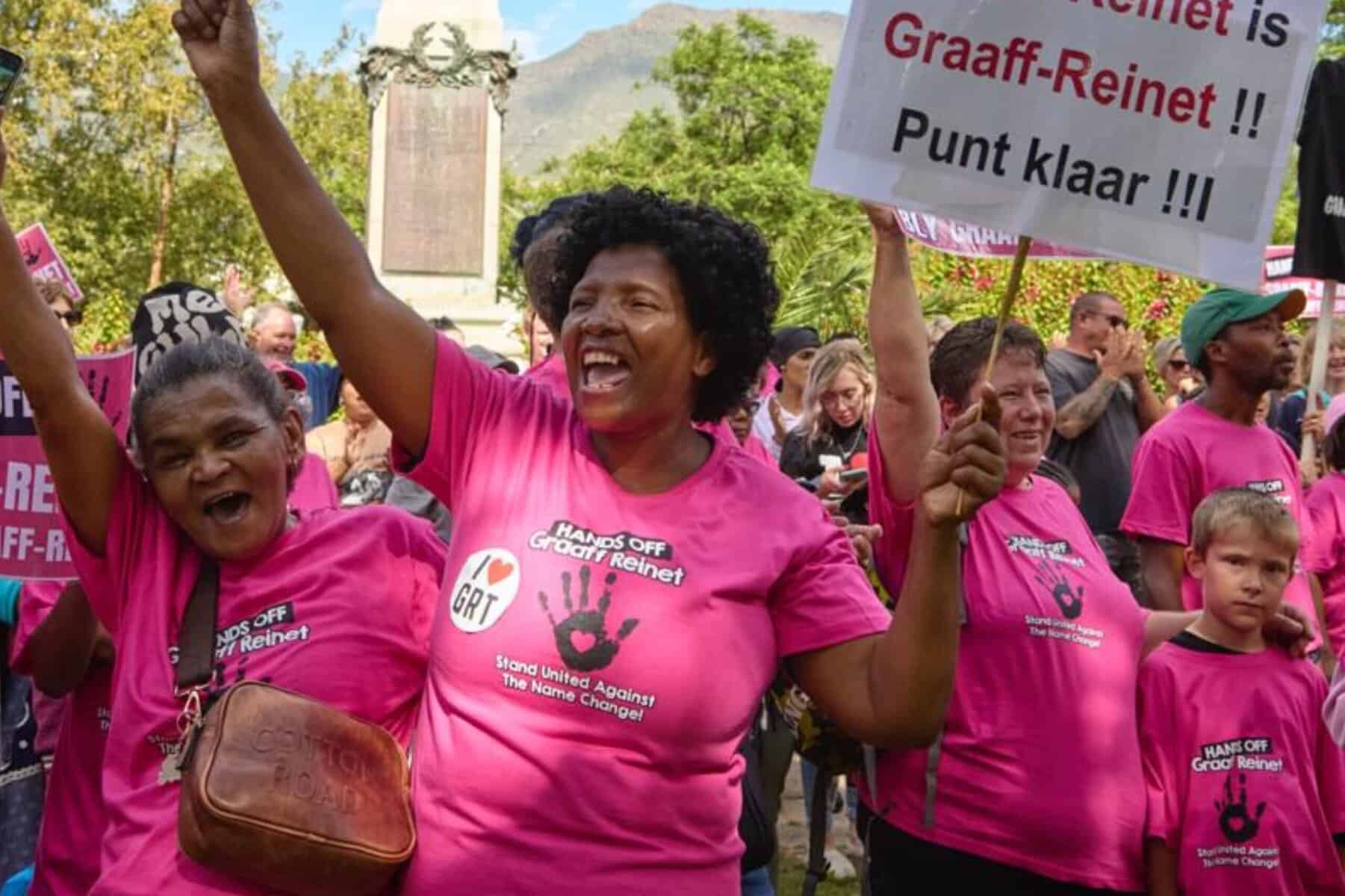
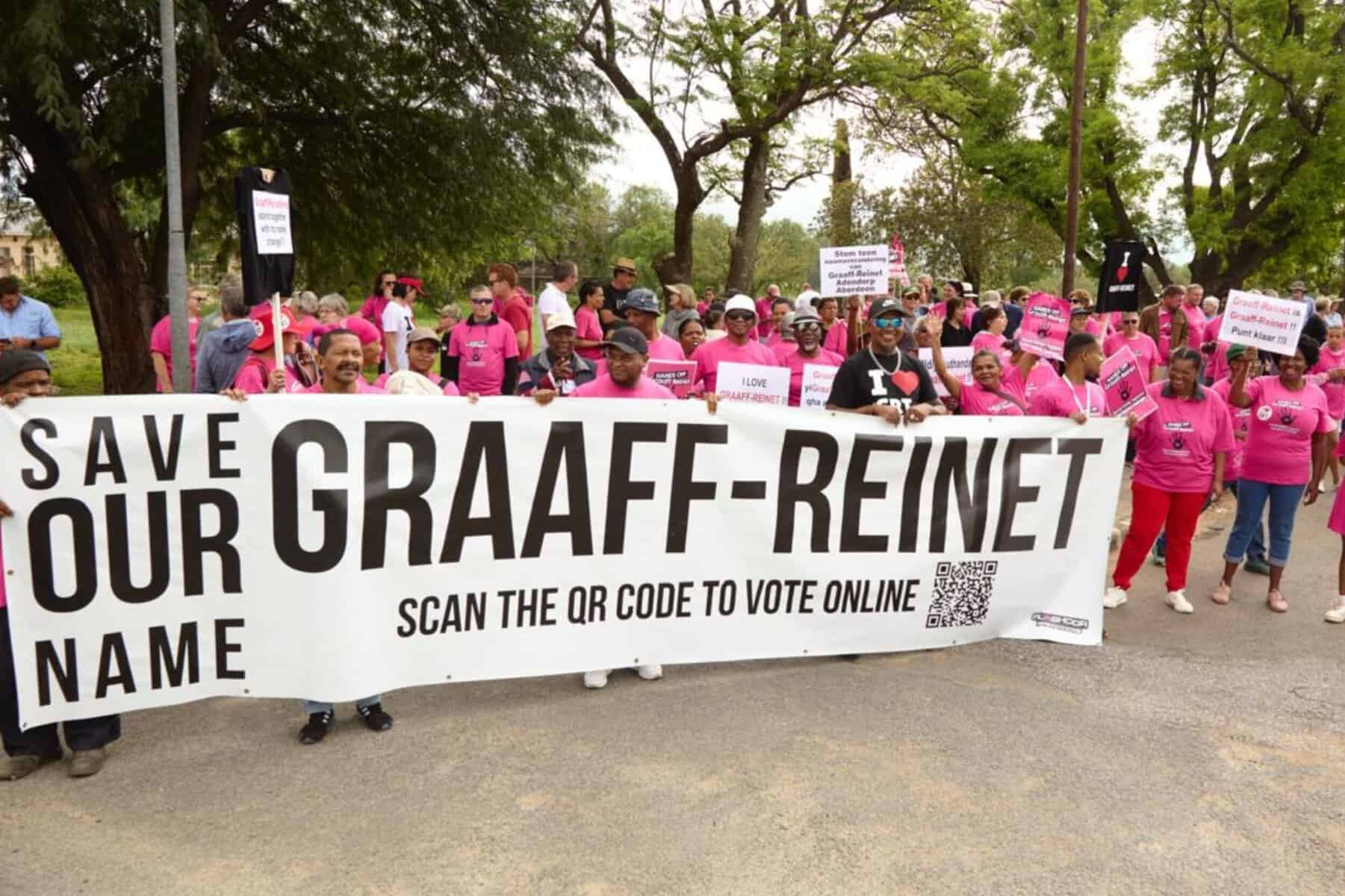
On Saturday, thousands of residents took to the streets sporting ‘Hands off Graaff-Reinet’ t-shirts, marching in protest of the imminent name change.
A resident and business owner told The Citizen that the cost of changing signage, maps and literature will amount to millions of rands, much of which the town could ill afford.
“It’s also about history,” they said. “Does the ANC and the PA simply want to erase history and heritage altogether?”
The 240-year old town was named after Dutch Governor Cornelis Jacob van der Graaff and the Reinet comes from his wife Cornelia’s maiden name.
Earlier this year, Sport, Arts and Culture Minister Gayton McKenzie approved the renaming of the Karoo town in honour of Pan Africanist Congress founder Robert Sobukwe, born there in 1924.
The change to Robert Sobukwe Town was gazetted on 6 February, the public has until 6 March to register objections.
PAC founder to be honoured
The Democratic Alliance’s Samantha Graham-Maré said in February that the party strongly opposes the name change.
“The DA has been fighting the proposed name changes to Graaff-Reinet, Aberdeen and Adendorp since 2023 and we are not about to give up now.
“Our resolve only grew after Minister McKenzie brazenly misled and betrayed the people of the Eastern Cape.
“Just a year and a half ago, he told the media he would not approve the name change for Graaff-Reinet, insisting the province faced far more urgent crises,” said Graham-Maré
The EFF welcomed the decision. In a February statement the party noted that the renaming is a necessary ideological intervention in a country whose geography still highlights colonial conquest.
Graham-Mare added that McKenzie “is well known for making empty promises and, without any compulsion, went back on his word by signing off on name changes the people clearly did not want”.
A local survey found that more than 80% of residents opposed the proposed name change.
The Graaff-Reinet Economic Development Forum has raised concerns about the process followed for the name change and has publicly questioned both the legal and historical basis for the decision in media.
Legal action has been initiated by a local attorney in conjunction with the forum. Residents say the name Graaff-Reinet represents more than a geographical reference.
“The name Graaff-Reinet is more than a label on a map,” one resident said on social media. “It represents heritage, identity, history and a shared sense of belonging that spans generations.”
ALSO READ: Robert Sobukwe Town approved as new name for historic Graaff-Reinet
McKenzie known for empty promises
Since the announcement, a steering committee has been formed to coordinate opposition efforts. Online objection petitions have circulated widely, while volunteers have conducted door-to-door campaigns and set up physical signing points. Organisers say hundreds of signatures have already been collected.
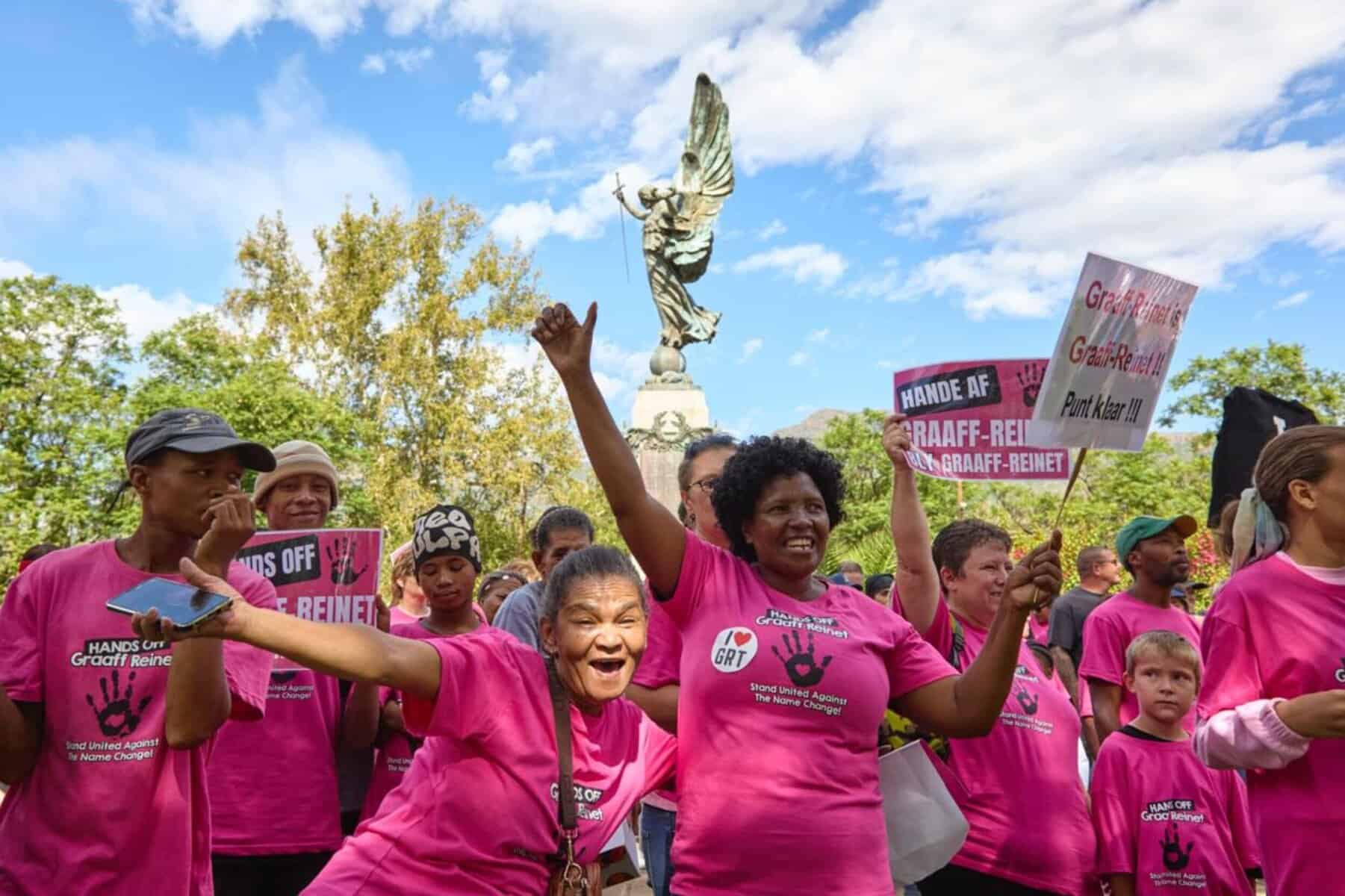
“Many residents simply cannot understand the justification for allocating resources to a name change that will not improve living conditions or create opportunities,” a resident said. “There is a strong belief that such a change risk deepening divisions rather than fostering inclusivity.”
Controversial name changes around the country continue to divide. The City of Johannesburg’s proposed renaming of Sandton Drive to Leila Khaled Drive drew criticism and a potential diplomatic fallout with the United States.
Khaled was a Palestinian militant known for her involvement in two airline hijackings in 1969 and 1970. The US consulate is at 1 Sandton Drive.
In 2008 it was reported that changing 27 street names in Pretoria purportedly cost more than R 800 million at the time. It cost the City of Joburg R 250 000 to change 21 road signs from William Nicol to Winnie Mandel Drive.
Graham-Mare said that forced, poorly consulted name changes do not unite people. “They only divide communities and deepen mistrust,” she said.
NOW READ: Changing East London’s name won’t fix the state of the city
About the Author