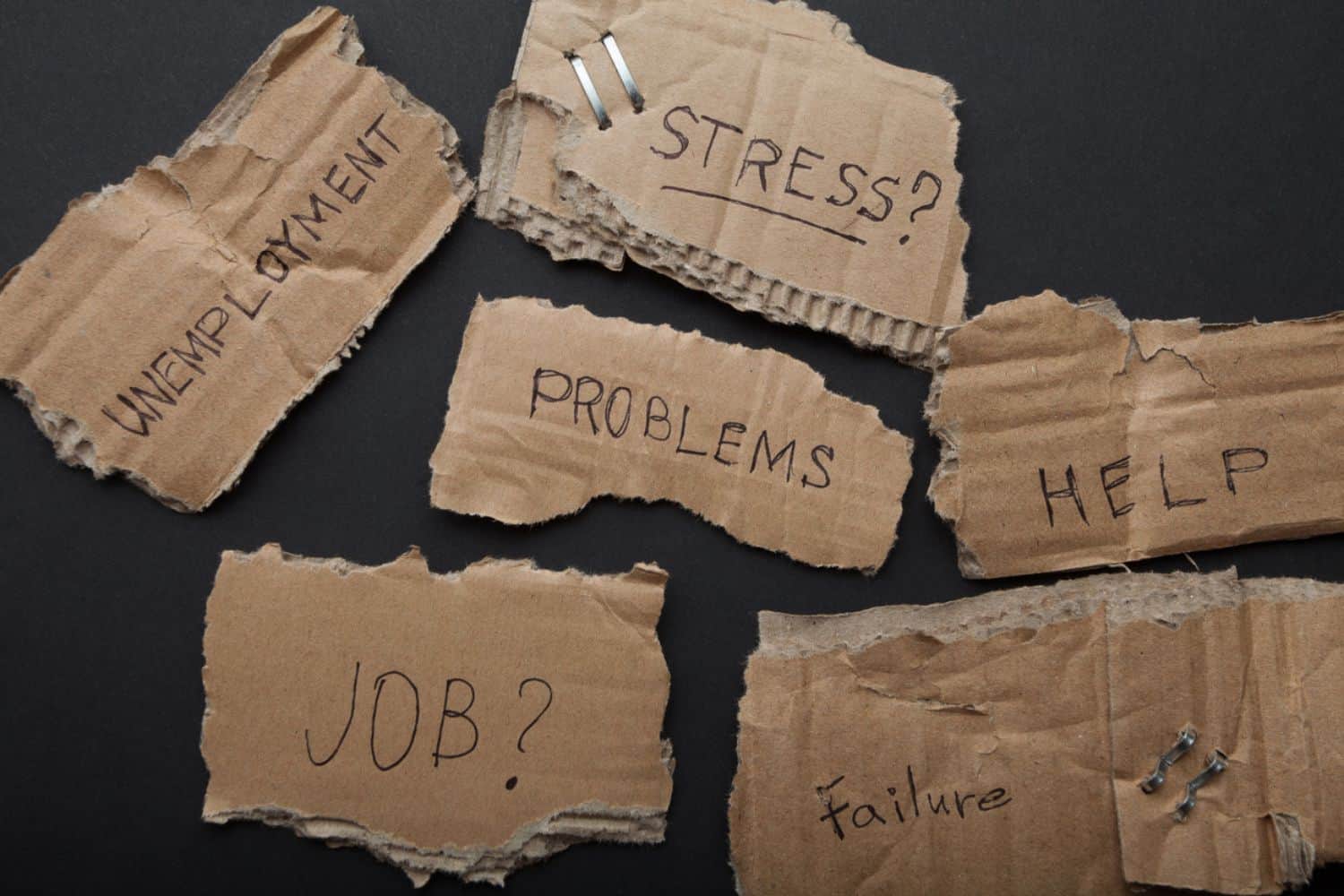
Unemployment in South Africa is a numbers game, and it has never been a happy ending, despite positive down-ticks every now and then.
Presently, there are around 8.1 million unemployed people in South Africa, and among our youth, almost two-thirds remain jobless.
It’s a sustained bleak picture, but it only tells half the story.
Being jobless, or suddenly booted from employment, can have a significant destabilising impact on an individual, said Carlyn Perils of the South African College of Applied Psychology (SACAP).
She said that a job does more than provide an income. It shapes routine, identity, social circles, and a sense of direction.
ALSO READ: Will unemployment worsen in 2026? These were the companies that retrenched and closed down in 2025
When it falls away, people are often left trying to steady far more than just their finances.
“Your identity, sense of purpose, and social world is often attached to your job role,” she said. “This makes losing your job a profound loss.”
Perils said that the emotional response to job loss can mirror grief.
In cases where dismissal feels unfair or follows a challenging work environment, the impact can be more traumatic.
Even where retrenchment is procedural, the psychological shock remains.
Emotional responses mirror grief
A career, she said, often represents years of planning and personal investment.
It is tied to goals, aspirations, and a vision for the future. When employment ends, that roadmap can suddenly feel uncertain.
“It can be incredibly discouraging and lead to high levels of anxiety because of the uncertainty around when you will find work again and how it will affect your future,” she said.
Time without work can deepen the strain. Research has consistently linked prolonged unemployment to rising risks of depression, anxiety, and suicide.
READ MORE: Will Checkers’ self-service checkout worsen unemployment?
Perils said social isolation is a major factor.
“Many unemployed individuals withdraw socially because of the stigma attached to job loss,” she said.
“At the same time, they lose contact with colleagues who may have been meaningful personal connections.”
Workplaces often provide a sense of belonging and shared purpose. Colleagues become part of daily life.
Conversations, teamwork, and mutual goals give people a feeling of being part of something larger.
When that disappears, the loss is not only professional but social.
“If your work was closely connected to your values, you may feel as though you have lost a part of yourself,” she said.
Losing part of yourself
Financial pressure goes on top of these feelings, she said.
The loss of medical aid and other benefits, lifestyle adjustments, and the difficulty of securing new work in a constrained job market all weigh heavily.
The longer unemployment continues, the easier it is for hope to thin out.
Many unemployed people describe a major change from optimism to discouragement as rejections accumulate.
READ MORE: World Bank says this is how South Africa can create more jobs
Early on, applications for new jobs are driven by hope. Over time, repeated setbacks can change that outlook.
“The more an individual experiences rejection after putting in effort, the more helpless they can feel,” Perils said.
This can lead to what psychologists call learned helplessness.
People begin to believe that outcomes are beyond their control and reduce their effort as a result.
Perils said focusing on practical steps such as improving a CV, preparing for interviews, and seeking career guidance can help restore a sense of control.

Restoring a sense of control
Young people are particularly vulnerable. “Young people are more likely to internalise rejection,” she said.
“They may start changing parts of themselves to avoid future rejection and suppress their natural strengths.”
Instead of building confidence, repeated rejection can push them to conform to perceived expectations, sometimes at the cost of their individuality.
Fear of failing again can blunt motivation before a career has properly begun.
This can all create a vicious cycle. Poor mental health can make it harder to perform well in applications and interviews.
At the same time, the stress of unemployment worsens mental health.
“This cycle can have devastating effects and is often underestimated,” Perils said.
Warning signs include changes in sleep or eating patterns, difficulty concentrating, irritability, low motivation, and feelings of hopelessness.
She said that setting realistic goals in the job search, taking breaks between applications, maintaining hobbies, and setting boundaries between job search time and personal time can play a positive role.
“We need to recognise that losing a job affects every part of a person’s life,” Perils said.
“Employment support should be combined with psychological support.”
She also said employers must consider the human impact of recruitment processes, particularly lengthy delays and lack of feedback.
“We are not only filling a vacancy,” she said. “We could be changing someone’s life.”
NOW READ: The state is so bad at creating jobs that it needs to stop trying
About the Author