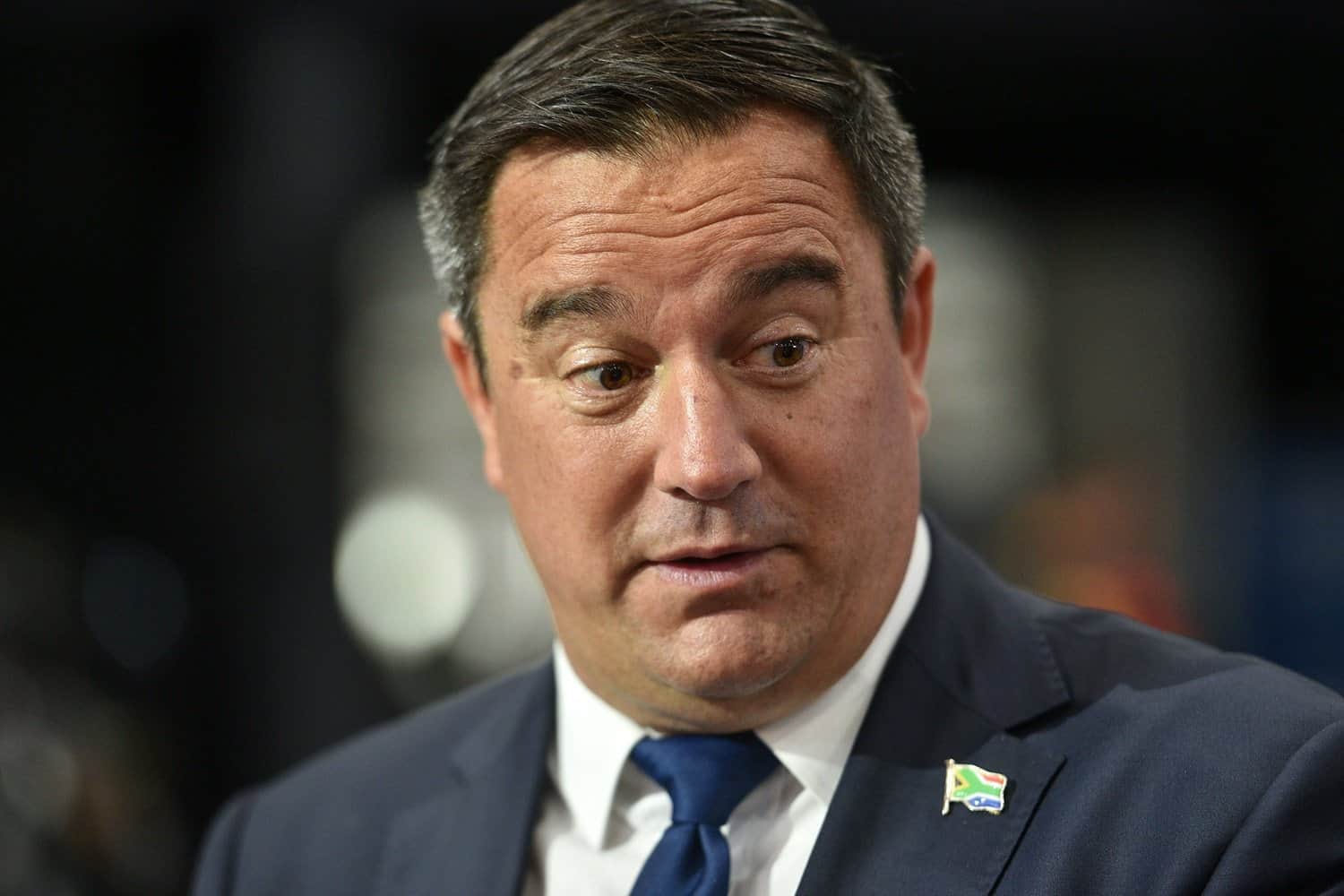
John Steenhuisen’s political career was fatally damaged inside Cyril Ramaphosa’s Cabinet, at the pinnacle of the government of national unity (GNU) that he had embraced so fervently.
But the DA leader’s stepping down, far from extracting his party from the political morass it is in, may create as many problems as it solves.
His exit is a crude compromise, an ad hoc and badly thought-through settlement engineered primarily to placate personalities and accommodate their personal needs.
Steenhuisen departs as party leader but intends to cling to his Cabinet position as minister of agriculture.
That is precisely the portfolio in which his leadership inadequacies have been most cruelly exposed and has been the catalyst for turning simmering dissatisfaction with his leadership into a showdown with disgruntled colleagues and donors.
Foot and mouth fatal
The explanation doing the rounds in DA circles for the cack-handed solution that has been hammered out is brutally simple.
He does not want to surrender the salary and perks that come with ministerial office.
Confident he could survive a leadership challenge at the April congress and with Cape Town mayor Geordin Hill-Lewis his only plausible rival, making it clear he would not stand against him, Steenhuisen could make his negotiated “orderly” exit conditional on keeping agriculture.
This is a terrible compromise by the DA. There are a host of reasons why the DA has become disenchanted with Steenhuisen.
They all fade into insignificance when compared to his performance as minister of agriculture.
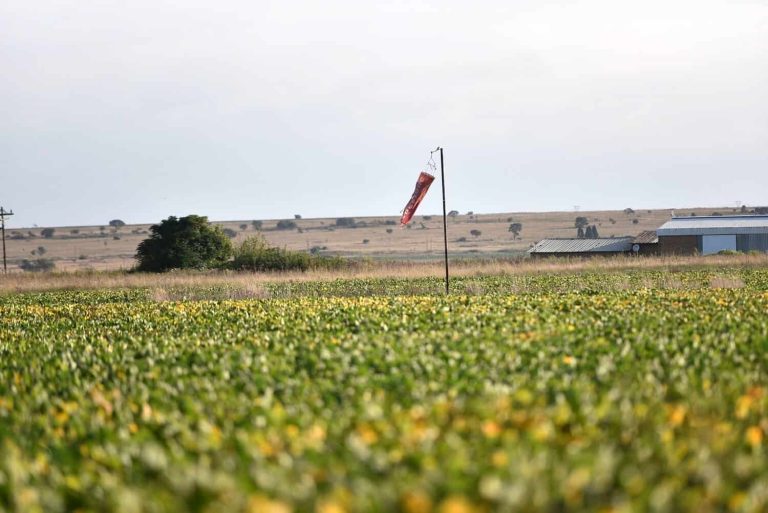
Steenhuisen has failed largely because he has squandered the goodwill of farmers. It is particularly the smaller-scale commercial and family farmers – less cushioned by corporate structures and more exposed to the state’s creeping race-based rule-making on export access and water permits, which he has too readily facilitated – who feel most betrayed.
The final straw has been Steenhuisen’s handling of the devastating foot-and-mouth disease outbreak.
Instead of welcoming the cooperation of a farming community that is internationally renowned for its can-do abilities, he spurned their practical advice and defaulted to what the DA once scorned about the ANC: a centralised, inflexible, top-down approach that is entirely reliant on a state apparatus that is corrupt.
Under such circumstances, if the DA felt a sweetheart deal with Steenhuisen was unavoidable to avoid fractures in the party, it could have agreed to a face-saving compromise where Steenhuisen resigned the party leadership and, in return, was moved from agriculture to a Cabinet portfolio to which he is better suited.
Not a part-time job
And then there’s Hill-Lewis. He previously rebuffed all efforts to recruit him for a leadership challenge, saying he would not stand against his close friend.
Now that it no longer requires a showdown with Steenhuisen, he is “seriously considering” a run.
If he wins, though, he inherits an absurd bind: leading a party whose most prominent Cabinet figure is the friend who, sooner or later, will have to be removed from the portfolio that sparked the crisis.
Worse still, Hill-Lewis wants to do the job part-time while retaining the Cape Town mayoralty, but also seeking a second term.
The DA’s “solution” to the Steenhuisen problem will merely aggravate it. It is less a coherent strategy than an attempt to placate a colleague who has given long, loyal but ultimately inadequate service.
Then, also elevating Hill-Lewis to the top spot on a “part-time” basis, compounds the problem.
A movement that aspires to govern nationally does not treat its national leadership as a side-hustle.
A DA leader with one foot in city hall cannot credibly exert muscle in Ramaphosa’s Cabinet, leaving the party’s influence – already constrained by ANC dominance fuelled by Steenhuisen’s excessively placatory reign – further diminished.
NOW READ: The Jaundiced Eye | Can Steenhuisen hoof it?
About the Author