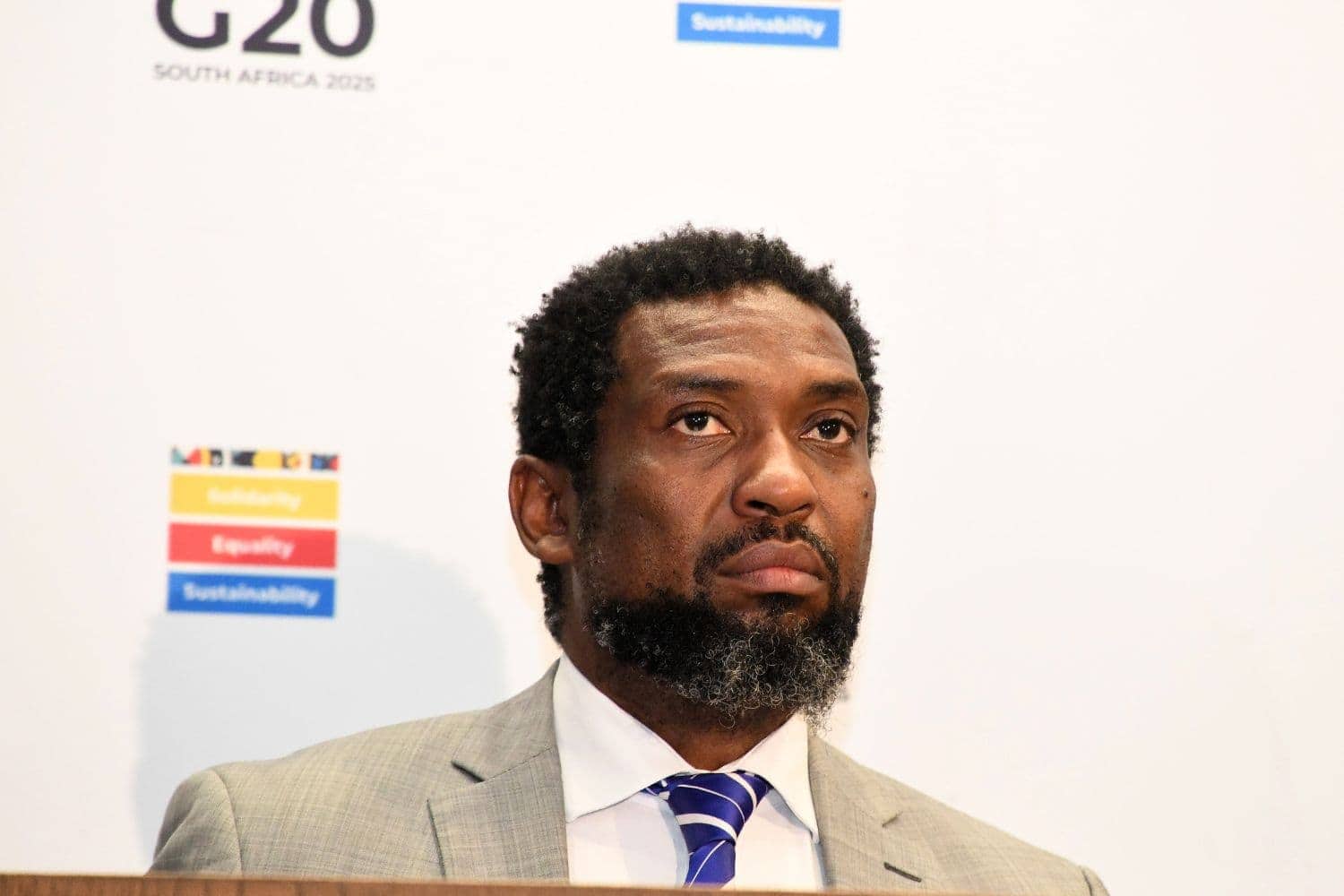
Construction od the University of Ekurhuleni is realistically set to begin in 2029, despite the project being announced by President Cyril Ramaphosa six years ago. says Higher Education Minister Buti Manamela.
Responding to questions in the National Assembly on Wednesday, Manamela shifted the focus from physical infrastructure to academic commencement.
He said that the department’s primary goal is now the registration of the first students, potentially before a permanent campus exists.
The enrollment strategy
To bypass the 2029 construction timeline, the department is exploring “blended academic delivery” and the use of temporary facilities.
This move follows a meeting with the mayor of Ekurhuleni, where the city offered land and existing infrastructure options to quicken the process.
“The goal is not construction commencement, but it is about registration of the first student,” Manamela said, indicating a shift toward a hybrid learning model to address the long-delayed promise.
ALSO READ: TVET and university courses must match labour market needs, says Manamela
Financial and technical hurdles
The project has faced significant stagnation since its inclusion in the 2020 State of the Nation Address.
Cyril Ramaphosa noted that Ekurhuleni was the only major metropolitan area in South Africa without a university.
In 2021, a City of Ekurhuleni feasibility study confirmed the potential for a local university.
The department originally targeted the former Cinderella Prison and the surrounding land near Railway, Trichardts and Campbell roads for a 2025 launch.
However, Manamela confirmed that a R19.5 million budget shortfall has stalled the critical location study required to finalise the site.
To resolve this, the department said it is currently “reprioritising” existing infrastructure grants.
The minister noted that the minimum time required for feasibility work, design and procurement amounts to approximately three years from today.
ALSO READ: Nsfas approves almost 700k students, rejects 132k applications for 2026
Shift in funding model
The February 2026 budget marked a turning point for the project’s financial viability.
Manamela said the National Treasury has now indicated a willingness to allocate funding through the Budget Facility for Infrastructure.
He said the project was stalled by a lack of additional funding, forcing the government to consider a public-private partnership model.
This approach, according to Manamela, was one the National Treasury had never approved for university infrastructure in previous administrations.
ALSO READ: Unisa critic jailed – two others slapped with fines
Public reaction
Public sentiment, particularly on social media reflects a deep delivery fatigue.
Some expressed confusion over how they can “register” for a university that has no physical presence, no accredited faculty and no labs. “You can’t eat a digital registration,” one user noted on X (formerly Twitter).
NOW READ: Nsfas approves almost 700k students, rejects 132k applications for 2026
About the Author