Thailand has dissolved its parliament following nearly a week of renewed clashes with Cambodia along the countries’ shared border, setting the stage for a general election within the next 45 to 60 days.
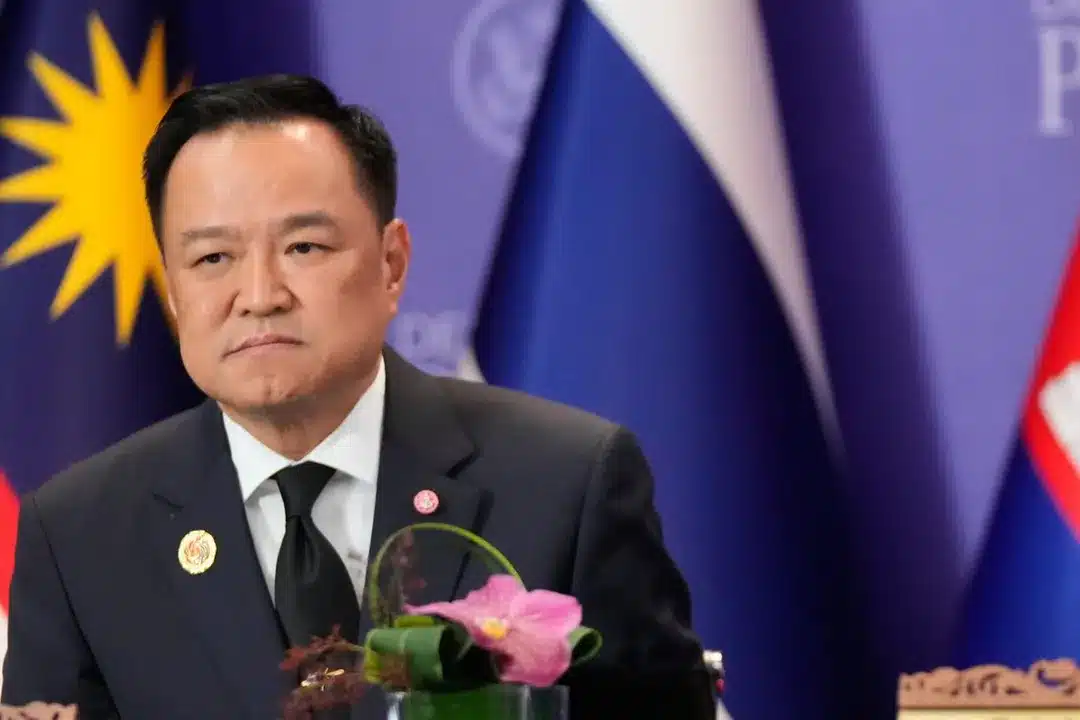
The dissolution was announced Friday through a royal decree in which Prime Minister Anutin Charnvirakul cited the escalating border conflict—alongside a series of domestic crises—as challenges his minority government could no longer effectively manage.
“The appropriate solution is to dissolve parliament… which is a way to return political power to the people,” Anutin declared.
The business mogul–turned-politician, who became Thailand’s third prime minister since August 2023, had earlier pledged to dissolve parliament by the end of January. But with a looming vote of no confidence and mounting pressure from political allies and opponents alike, he moved the timeline forward.
Mounting Crises and Deepening Friction
Anutin’s administration faced fierce criticism last month after severe flooding devastated southern Thailand, killing at least 176 people. His government is also reeling from renewed border hostilities with Cambodia that have left at least 20 dead and forced hundreds of thousands from their homes.
In the decree endorsed by King Maha Vajiralongkorn, Anutin wrote:
“The government had executed every means… to resolve the urgent issues overwhelming the country. But running the country requires stability.”
He added that as a minority government grappling with “troubling domestic political circumstances,” his administration could no longer govern “continuously, effectively and with stability.”
Collapse of a Fragile Alliance
Anutin’s move follows the withdrawal of support from the People’s Party, Thailand’s largest and youthful progressive bloc, which had helped him secure the premiership. The two parties—the conservative Bhumjaithai and the reform-driven People’s Party—have long been ideological opposites.
The People’s Party said its earlier backing was conditional: it wanted constitutional reforms and a commitment to dissolve parliament within four months. It has now accused Bhumjaithai of reneging on that agreement.
The party had planned to file a no-confidence motion on Friday and had already urged the prime minister to dissolve parliament “to show responsibility towards the people.”
“See you at the polling stations,” the party declared in a Facebook statement.
A Nation in Prolonged Political Instability
Thailand has been navigating intense political turbulence for over a year. Two prime ministers have been dismissed by the courts:
Paetongtarn Shinawatra, removed for an ethics breach after a leaked call in which she referred to Cambodia’s former leader Hun Sen as “uncle” and criticised the Thai military.
Srettha Thavisin, ousted for appointing a cabinet minister who had previously served a jail term.
With parliament now dissolved and elections imminent, Thailand enters yet another consequential chapter in its ongoing struggle for political stability.
About the Author