Government weighs overnight restrictions as global oil disruptions spark shortage fears…..
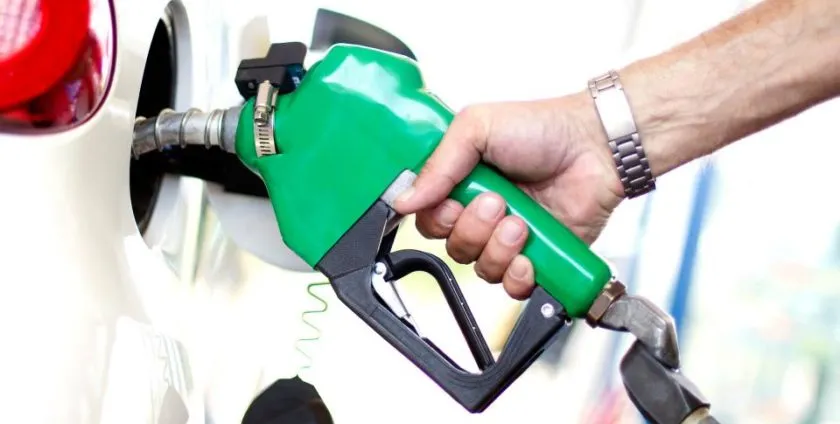
The Thailand government is considering drastic measures to conserve fuel, including shutting petrol stations overnight, as global supply tensions triggered by the Middle East conflict continue to ripple across energy markets.
Prime Minister Anutin Charnvirakul said authorities are reviewing a proposal to suspend fuel sales between 10:00 p.m. and 5:00 a.m., with implementation potentially beginning as early as April 20.
The move is aimed at managing fuel consumption and preventing shortages in a country heavily reliant on imported oil.
Despite the proposal, the government has reassured citizens that travel plans for the upcoming Songkran holiday will not be disrupted. The nationwide celebration marked by mass travel as people return to their hometowns remains a priority, with any restrictions expected to take effect only after the holiday period.
“Closing hours for petrol stations may begin once people return from their trips and normal routines resume,” the prime minister explained.
The urgency behind the plan reflects growing concerns over Thailand’s energy security. While the country maintains relatively strong oil reserves, officials warn that its dependence on imports leaves it exposed to global supply shocks.
Authorities have already begun urging citizens to reduce fuel consumption by working remotely where possible and relying more on public transportation.
“We cannot afford to be complacent,” Anutin said, emphasizing that the current crisis demands a shift in how the country manages its energy resources.
The proposed restrictions come amid rising public frustration over fuel price increases in recent weeks. The government has also taken aim at oil traders, accusing some of hoarding supplies or smuggling fuel abroad to take advantage of higher prices.
These practices, officials say, have worsened domestic shortages and contributed to the steady climb in pump prices.
As the global energy situation remains volatile, Thailand’s potential move underscores how far governments may be willing to go to safeguard supply balancing economic stability with the realities of an increasingly uncertain oil market.