With a fragile ceasefire in place, Tehran allows limited passage through the world’s most critical oil route while warning ships of possible sea mine threats……
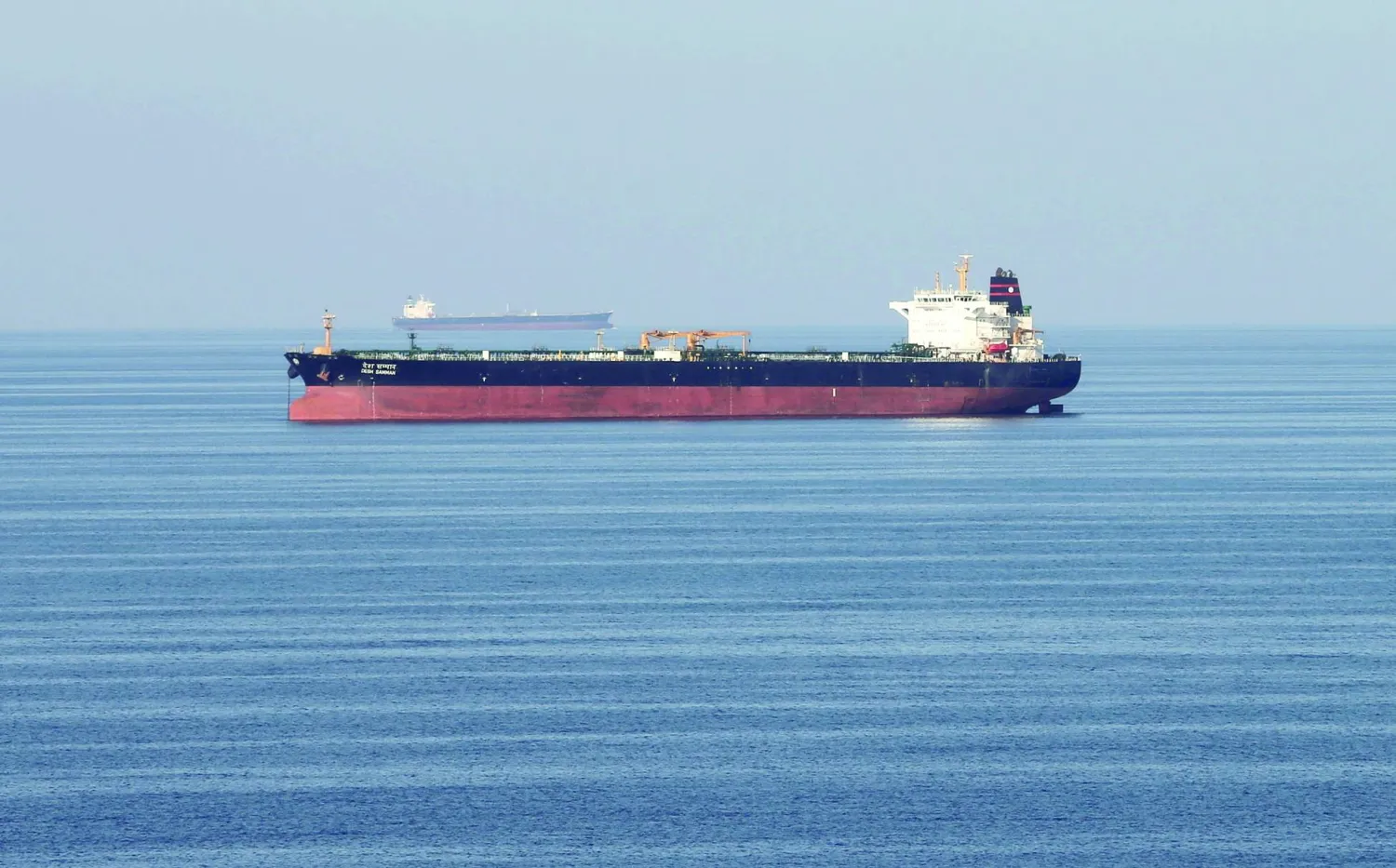
Iran has announced new navigation guidelines for vessels passing through the Strait of Hormuz, urging ships to avoid the main shipping lanes due to potential sea mine risks.
The directive, issued Thursday by Iran’s Revolutionary Guards and reported by local media, advises maritime operators to follow alternative entry and exit routes in order to reduce the likelihood of collisions and ensure safer transit through the narrow but vital corridor.
This development comes as Tehran moves to temporarily reopen the strait under a two-week ceasefire agreement with the United States. The truce was reached just hours before a deadline set by Donald Trump, who had threatened severe consequences if Iran failed to comply with demands to restore access to the waterway.
For weeks, Iran had effectively shut down traffic through the strait, a move that sent shockwaves through global energy markets. The Strait of Hormuz handles roughly one-fifth of the world’s oil supply, making any disruption a major concern for economies worldwide.
While the reopening offers some relief, the situation remains far from stable. The presence of suspected sea mines has introduced a new layer of risk, forcing shipping companies to reroute vessels and navigate more cautiously through the region.
Energy analysts warn that although oil prices may cool slightly in response to the partial reopening, volatility is likely to persist. The temporary nature of the ceasefire and ongoing security concerns mean that the strait’s full return to normal operations is still uncertain.
For now, the world’s most important oil chokepoint is open but not without tension, risk, and a ticking clock.