Aviation minister explains why sector-wide tax reforms require full government consensus as Nigeria marks 100 years of aviation…..
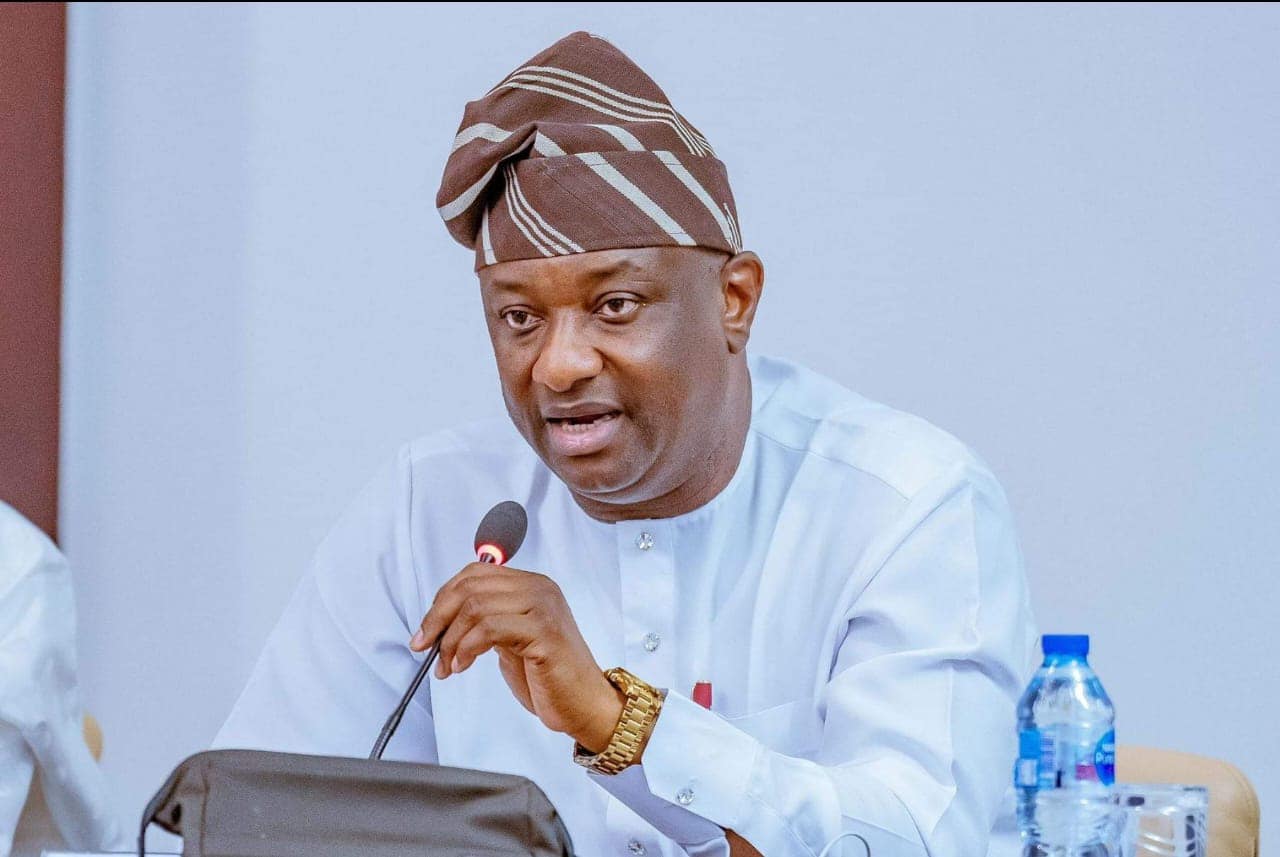
Minister of Aviation and Aerospace Development, Festus Keyamo, says decisions on removing taxes in the aviation sector cannot be taken unilaterally, as such policies require broad government approval and legislative input.
Speaking in Abuja on Monday at an event commemorating 100 years of aviation in Nigeria, Keyamo addressed industry concerns over multiple taxation, noting that the aviation ministry does not have sole authority to scrap statutory levies.
“You can see that I am not the owner of Nigeria,” he said. “There’s a Ministry of Finance, there’s a tax authority. The Minister of Aviation cannot wake up overnight and say, ‘I’m removing taxes.’ It’s a whole government system that must meet on such issues. Some of these charges are already backed by law.”
He stressed that any tax changes must pass through the National Assembly, adding that President Bola Tinubu has already shown commitment toward easing the tax burden on the aviation sector.
According to Keyamo, President Tinubu intervened to prevent the implementation of a proposed four percent tax that would have affected airlines. “Mr President himself is so proactive,” he said. “He immediately excluded aviation from the new tax that was about to take effect.”
Keyamo also revealed that a government team has been set up to review the issue of multiple taxation affecting airline operations. “We are getting the ball rolling,” he added, reiterating that he does not have the authority to abolish statutory taxes on his own.
Beyond tax issues, the minister identified infrastructure deficit as the most pressing challenge confronting Nigeria’s aviation sector. He emphasized the need to transform major airports into fully functional hubs that can facilitate seamless international transit.
“The big elephant in the room is infrastructure,” he said. “We need proper hubs where passengers can connect through Nigeria without entering the country. Our airlines already have the capacity for international routes.”
Keyamo said improved airport hubs would enable domestic airlines like Air Peace to operate more profitable long-haul connections. He noted that the absence of such infrastructure limits local carriers’ ability to grow.
The minister also listed financing and aircraft leasing access as the second major barrier to airline expansion. “We must empower our airlines with access to credit, financing, and lease options,” he said. “The problem is not traffic—our population and location already guarantee that.”
Despite progress under the newly signed tax reform law consolidating multiple tax statutes, the aviation industry has voiced concerns over the removal of long-standing exemptions, including duties on aircraft parts, VAT on tickets, and other levies affecting operational costs.
About the Author