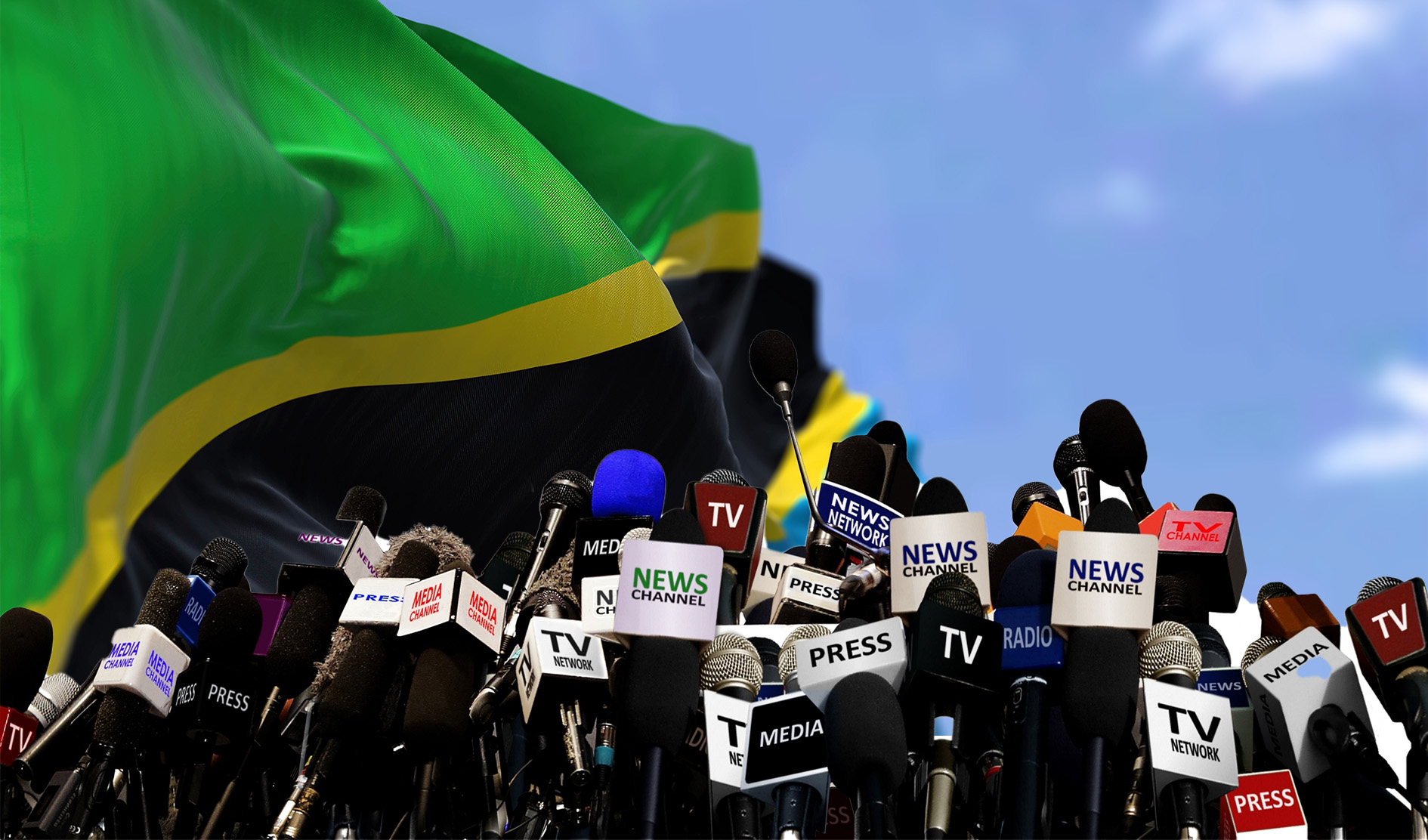
Tanzanian authorities on Wednesday announced plans to crack down on journalists and media outlets operating without accreditation, in the latest move to tighten control over publications.
The Journalists Accreditation Board (JAB), which issues licences to journalists, said it had learnt of a growing number of individuals and outlets publishing or producing news without proper authorisation.
It announced plans to patrol media houses nationwide to weed out those unqualified to work as journalists.
The Board said it had “learnt of some people who do not meet requirements but who have embarked on duties of journalism after the end of the general election.”
“JAB reminds and emphasises to the public that journalism is a formal profession governed by legal, ethical and professional standards. Therefore, anyone who engages in journalistic activities without credentials violates the provisions of section 19 of the Media Services Act 229 (2023).”
The announcement came as Tanzania emerges from a chaotic post‑election season that saw the internet shut down and social media blocked following violent protests.
During this period, authorities also asked social media platforms to remove accounts belonging to individuals deemed critical of the government. And rights watchdogs such as Amnesty International declared the electoral environment as stifled for journalists, activists and opposition leaders.
JAB, established in 2024 after amendments to the Media Services Act, was mandated to ensure journalists are licensed to write, film, edit and produce their work for publication. The Act also empowered authorities to suspend the licences of media outlets that violate the law.
However, critics argue that the interpretation of what is lawful remains in the hands of regulators, enabling them to target outlets critical of the government.
In its statement on Wednesday, JAB insisted its role is not to throttle media freedoms but to eliminate “quacks” undermining the credibility of journalism in the country. It ordered those without press badges to cease operations immediately.
The directive also targets freelance journalists and photographers involved in news gathering, as well as radio and television presenters. It remains unclear whether YouTube channels targeting Tanzanian audiences but produced abroad could be blocked.
In the past, local authorities have required content creators on platforms such as YouTube to register.
The Board did not specify timelines for the crackdown but said it will “soon” conduct inspections across the country to confirm that those practising journalism are accredited.
About the Author