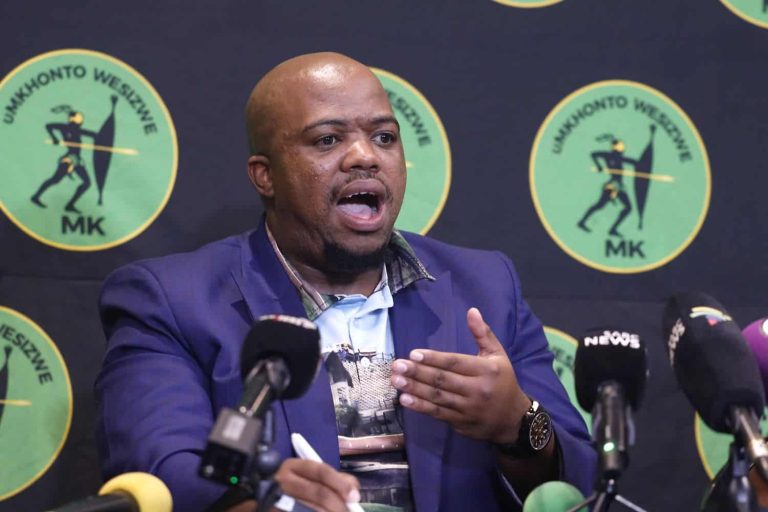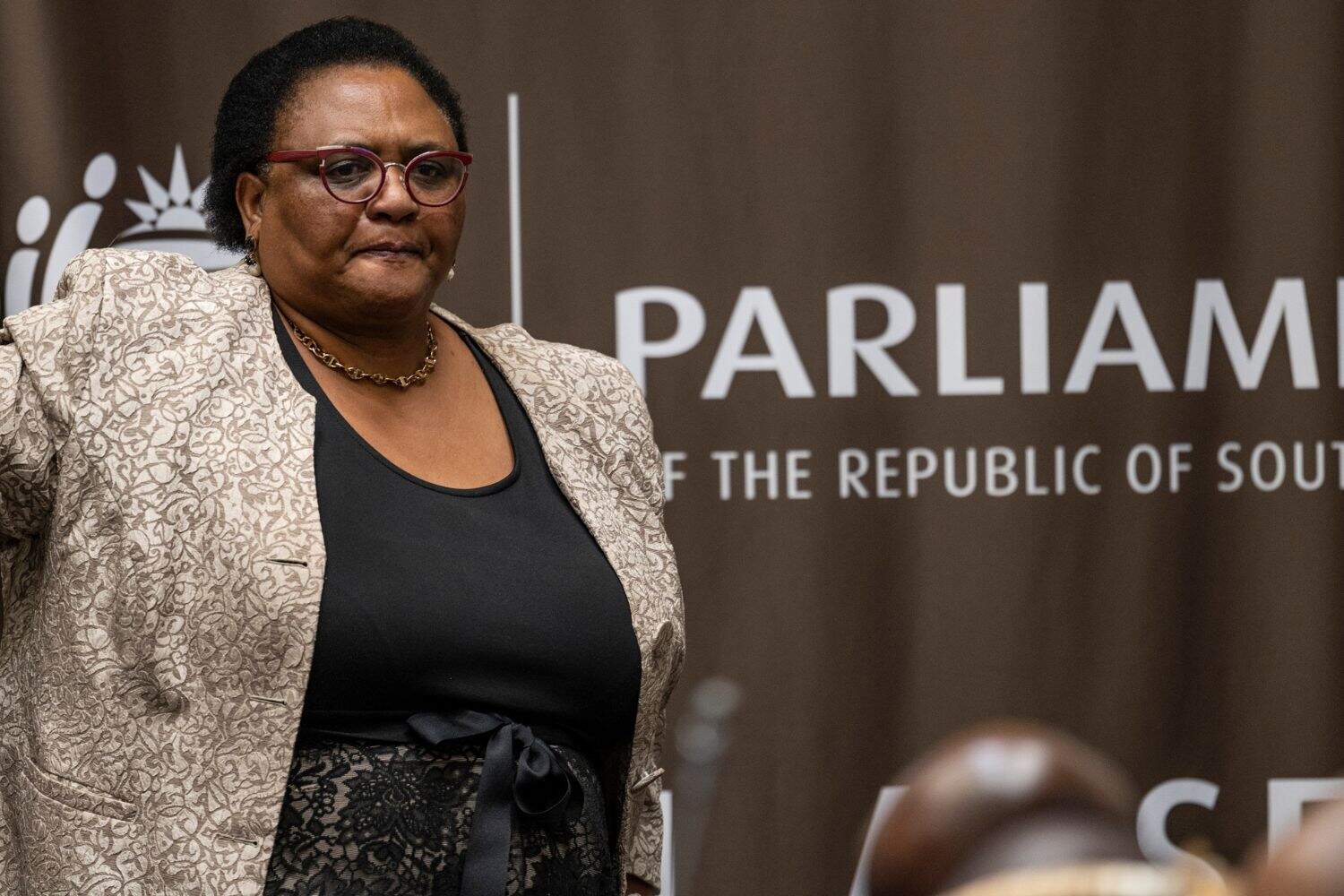
National Assembly Speaker Thoko Didiza has denied claims that she is preventing alleged political fixer Oupa Brown Mogotsi and private investigator Paul O’Sullivan from testifying before Parliament’s ad hoc committee.
Last week, the speaker decided not to authorise summonses to force their attendance at the inquiry into alleged criminal infiltration and political interference in South Africa’s law enforcement.
Mogotsi has raised security concerns after an alleged attempt on his life in November last year.
WATCH: Paul O’Sullivan on why he does not want to appear in person before parliament
He asked Parliament to pay for his personal bodyguards, rejecting protection offered by Parliamentary Protection Services (PPS).
O’Sullivan is believed to be in the United Kingdom (UK) and plans to return at the end of February.
He requested to testify virtually so the committee can meet its deadline of 20 February.
Didiza on Brown Mogotsi and Paul O’Sullivan subpoenas
Speaking on the matter, Didiza sought to explain why she did not approve the subpoenas against Mogotsi and O’Sullivan.
She insisted that the claims suggesting she is shielding the pair are “incorrect” and mischaracterise both her role and the legal reasons for her decision.
The speaker argued that O’Sullivan has not refused to appear and just only wants to testify virtually as allowed by the committee’s own terms of reference.
READ MORE: Ad hoc committee hears complaints about absence of MPs and Paul O’Sullivan
Parliament spokesperson Moloto Mothapo explained: “Mr O’Sullivan’s application was based on the fact that he is currently outside the Republic and has raised concerns relating to his personal safety.
“In addition, he offered to testify from a South African embassy abroad, subject to the condition that the specific embassy not be publicly disclosed for security reason.”
Mothapo added that Didiza was of the view that the committee had not fully considered O’Sullivan’s request.
“The difficulty with the committee’s request to summon Mr O’Sullivan is that the correspondence and records submitted to the speaker do not demonstrate that the committee substantively engaged with or applied its mind to the reasons he advanced when declining his request for a virtual appearance,” the statement further reads.
Legal rules
A summons can only be issued if a witness “failed or refused to appear without sufficient cause” in terms of the Powers and Privileges Act, Mothapo said.
“On the information placed before the speaker, that legal threshold has not been demonstrated.
“Proceeding with a summons in these circumstances could materially weaken Parliament’s position should the matter be challenged in court.
“It is also important to place on record that Mr O’Sullivan has cooperated with the committee by engaging with its evidence leaders virtually and by submitting a written statement.”
Summons a last resort
Mothapo said Mogotsi has shown willingness to cooperate and joined virtual consultations with evidence leaders.
“In the absence of proof that the committee properly applied its mind to these concerns — including whether any threat or risk assessment was conducted, and whether the security measures proposed were reasonable — the speaker could not be satisfied that a refusal to appear without sufficient cause had been established.”
Didiza asked the committee to carefully consider the reasons given by both witnesses and record how those concerns were addressed.
“The speaker’s actions do not protect individuals from accountability; they protect the integrity, lawfulness, and credibility of Parliament and its committees.”
Mothapo explained that the speaker views a summons as a serious legal tool that should only be used as “an act of last resort” so it cannot be issued casually and must fully comply with the legal requirements.
About the Author