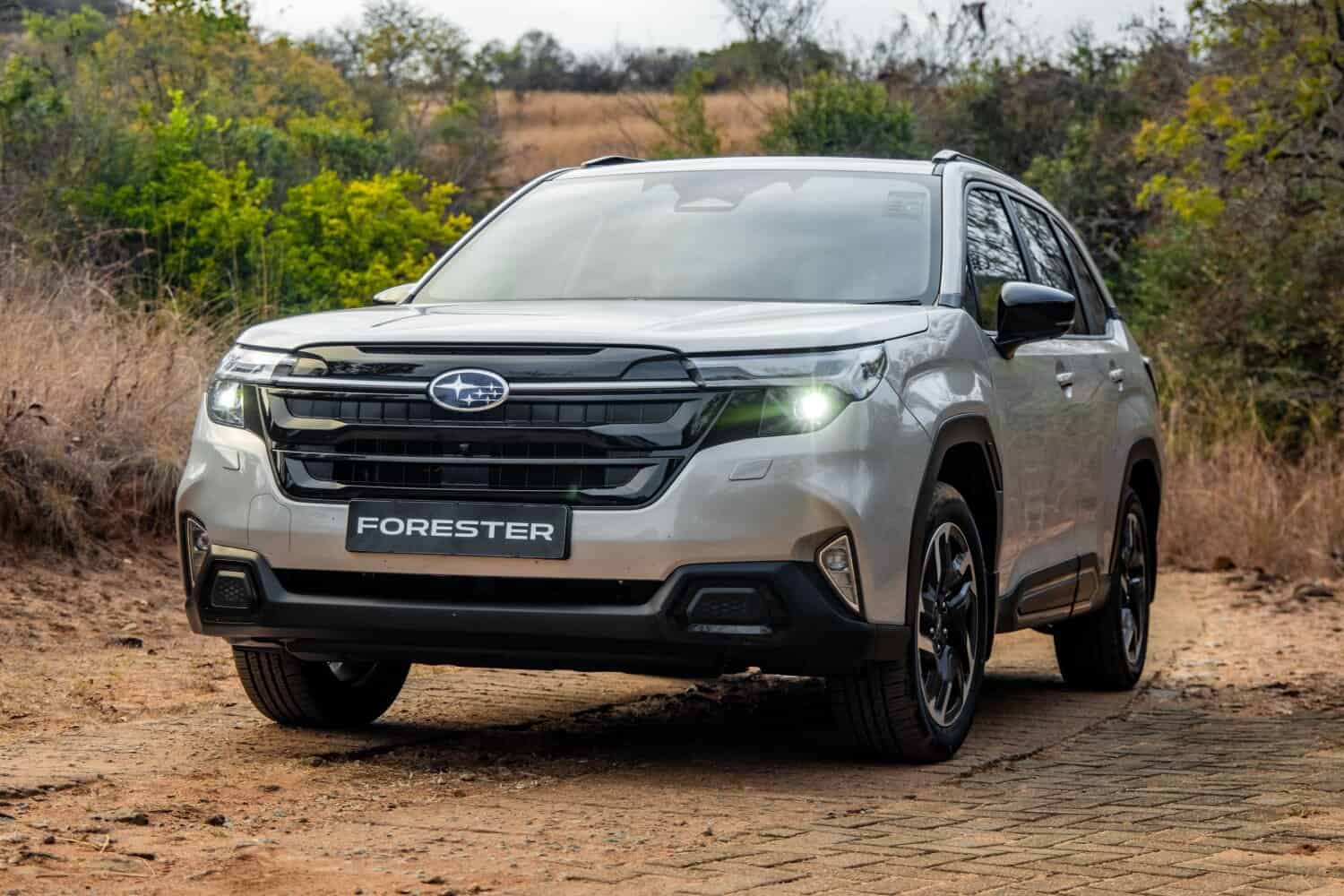
For as long as I can remember, the Forester has enjoyed a cult-like following amongst owners. And I could almost sense the approval from fellow Forester enthusiasts during my week in the car. And for good reason, too.
Styling-wise, the Forester is easy on the eyes and leans more towards something you would find on a legacy brand’s showroom floor than on a Chinese one. One could almost say conservative in approach. Which is typical of a Japanese manufacturer. They don’t try to fix what isn’t broken.
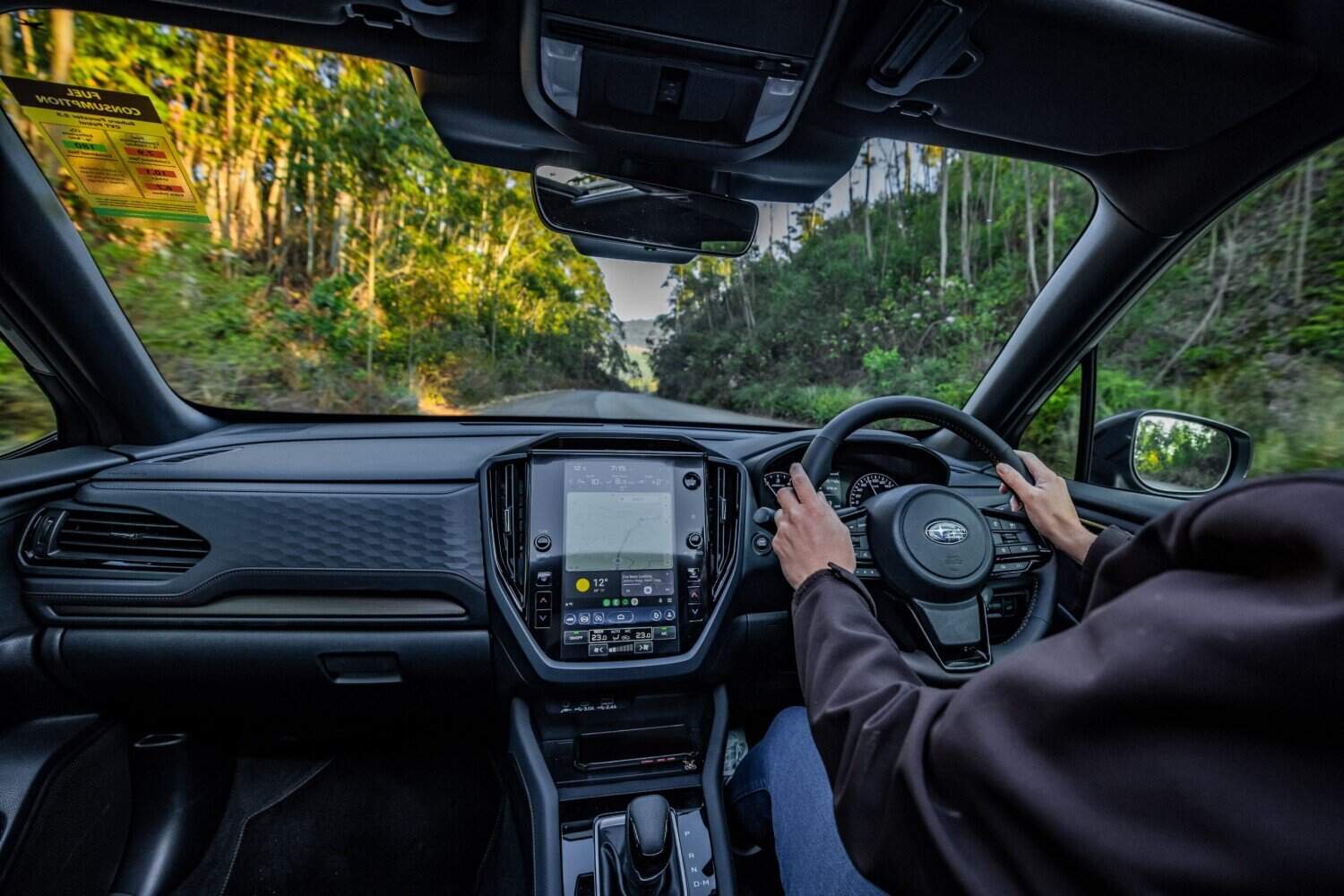
Impressive standard list of equipment
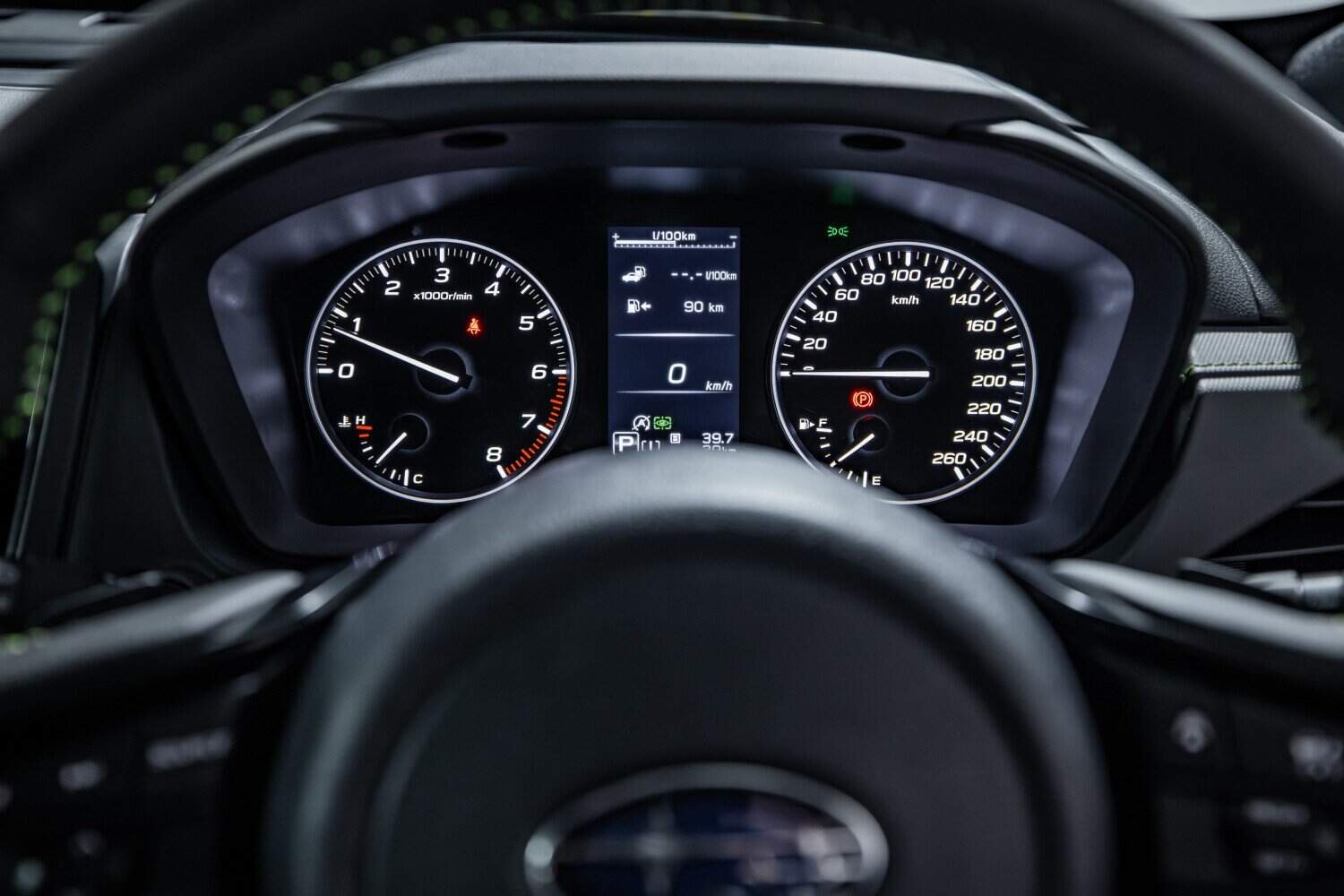
It’s the same feeling you get when you jump inside. You are not overwhelmed by massive digital screens and button-free flashy tech. Instead, you are greeted by a well-thought-out cabin featuring an easy-to-read digital cluster and an 11.6-inch infotainment display. All the necessary controls are within reach and simple enough to use. Call it a bit old school if you want. It works.
ALSO READ: All-new Subaru Forester is a big win for quality over quantity
Just some of the creature comforts include the generous use of leather on the seats, steering wheel and gear lever. As well as a Harman Kardon 10-speaker premium sound system, panoramic sunroof, and powered tailgate with a hands-free kick sensor. Wireless Android Auto and Apple CarPlay, Bluetooth, and voice control are also included in a long list of standard features.
Being a family car, space is more than adequate too. The boot measures 496 litres with the seats up and 1 174 litres when they are folded flat. This is supported by a flat cargo floor and a wide-opening tailgate with one-touch folding 60/40 split rear seats.
Refined drive and power delivery
Where some welcome Japanese refinement can be found is when you punch the start button and fire up the engine. There is no bark or theatrics as one might expect of a Subaru. The 136kW/247Nm, 2.5-litre, naturally aspirated engine is surprisingly quiet. With very little of that traditional flat-four boxer thrum intruding into the cabin.
This is a refinement that is carried over to the drive experience. I thought I would hate the Lineartronic CVT with 8-step manual mode. But the engine/box combo worked really well for most of the drive. It’s only when you want to play Impreza WRX on the highway that the annoying, whiny nature of a CVT makes its presence felt.
X-Mode for complete control
I must confess, I did not put the Forester’s main claim to fame, Symmetrical All-Wheel Drive, to the test. But with a segment-leading 220 mm ground clearance, 20.3-degree approach, 25.8-degree departure angle, and 21.2-degree break-over angle, I will take Subaru’s word for it when they say that the Forester is as capable on gravel tracks as it is on a smooth highway.
Functionality such as X-Mode with Hill Descent Control is standard across the range, while Subaru SI-Drive allows you to switch between efficiency-focused or more dynamic type driving by sharpening up the throttle responsiveness. I enjoyed the relaxed, everyday, nature of the car more so than trying to wring its neck all the time.
Safety remains a hallmark
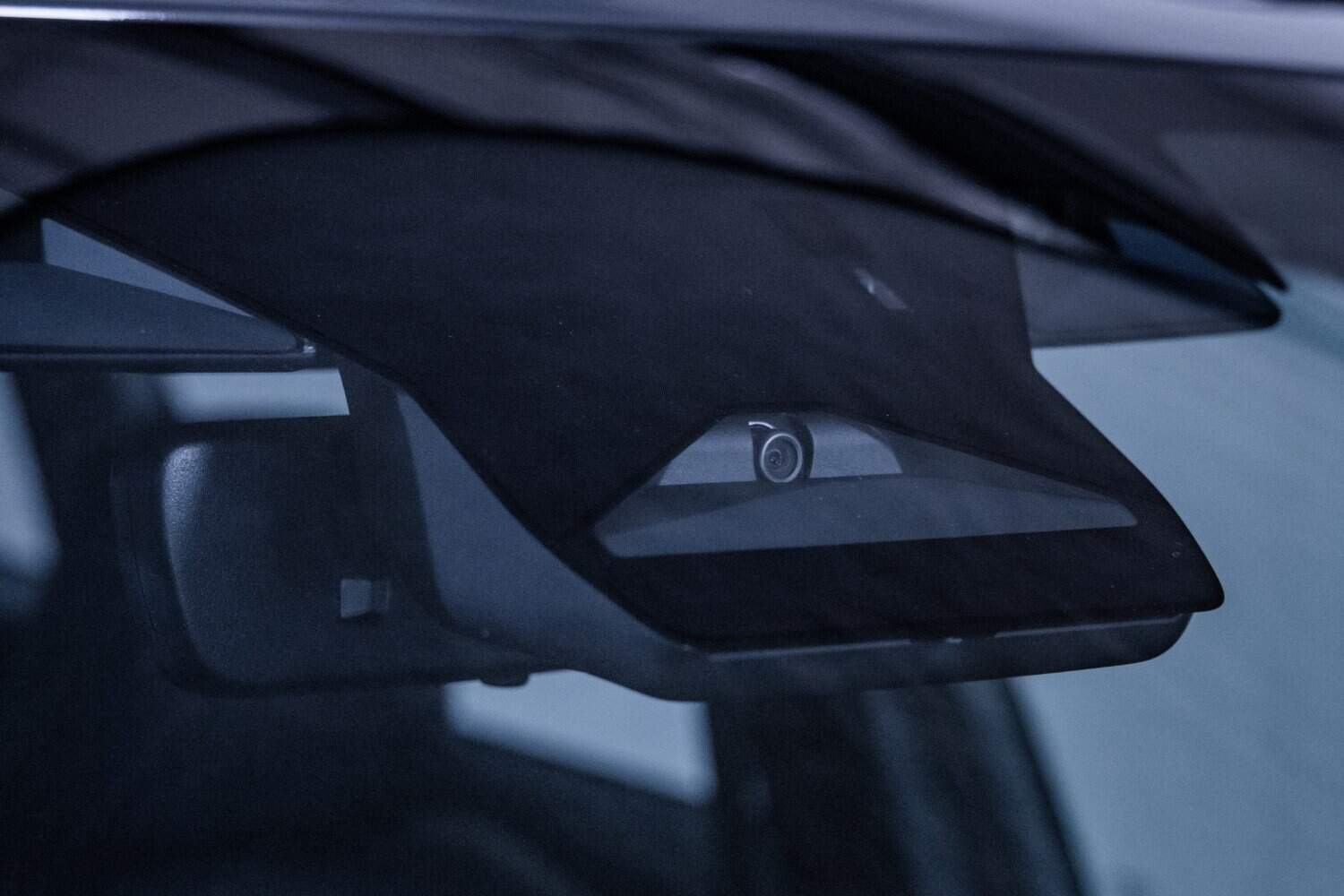
Talking of wanting to wring its neck, the Forester is the one car that is almost as annoying as the higher-end Chinese cars are when it comes to the constant pings from the onboard safety systems. The culprit here is Subaru EyeSight, the company’s award-winning safety programme that includes the likes of:
- Pre-Collision Braking,
- Adaptive Cruise Control with Lane Centring,
- Autonomous Emergency Steering,
- Lead Vehicle Start Alert,
- and Pre-Collision Throttle Management.
Additional safety technologies include:
- Blind-Spot Detection with Lane Change Assist,
- Rear Cross-Traffic Alert,
- Reverse Automatic Braking,
- and front, side-view and 360-degree camera system.
- airbag coverage, including driver’s knee and far-side passenger airbags.
I know this tech is there to save lives, but it doesn’t have to be that intrusive in my opinion. Thankfully you can selectively switch off what you don’t want to use. Only for it to activate again when you hit the start button. I guess you can’t win every battle.
ALSO READ: Subaru Crosstrek – new name applied to an old favourite
Market competition is fierce
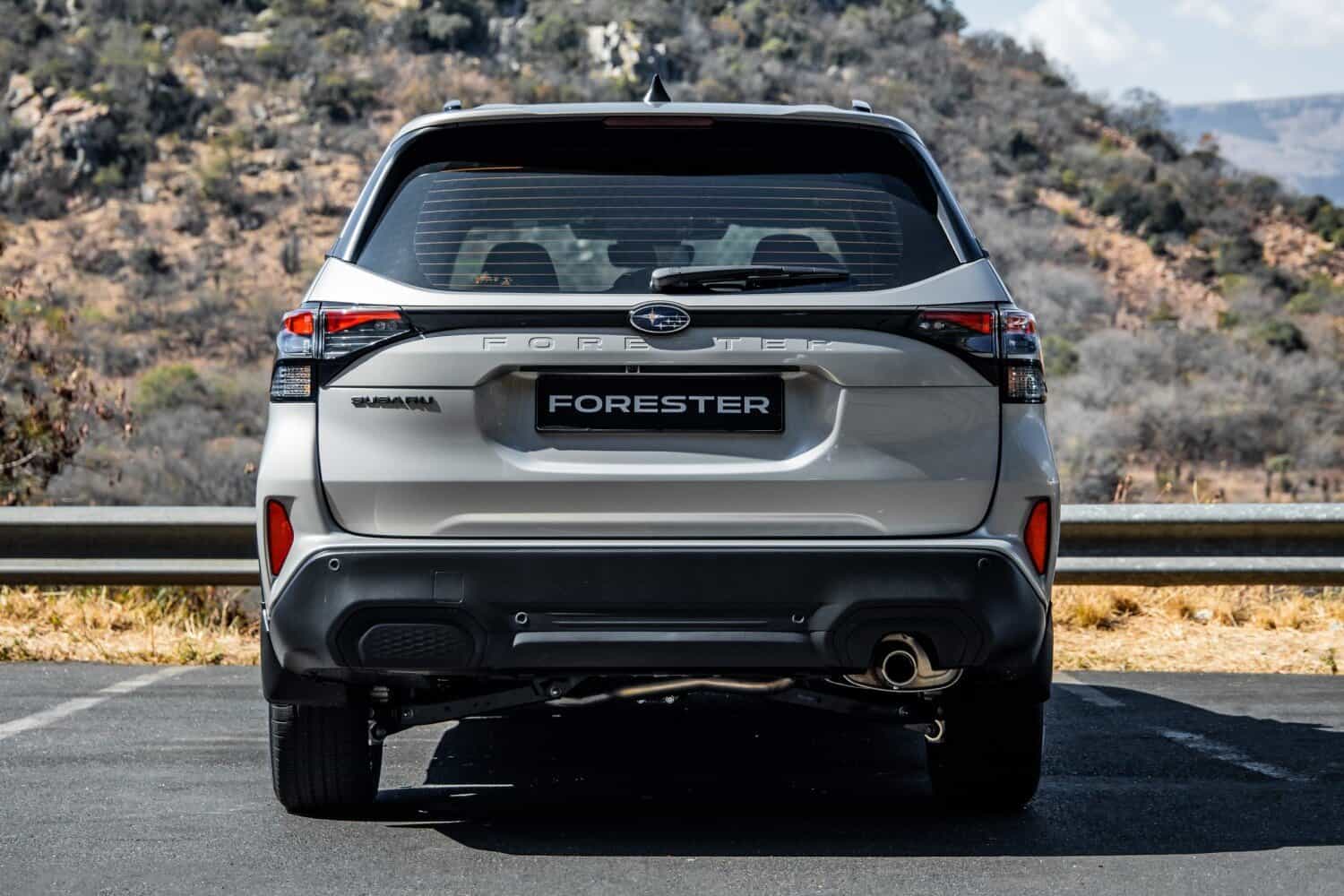
To wrap up, the flagship, Forester Premium, you see here is an exceptionally well-rounded product that perfectly showcases Japanese engineering and quality. But this comes at a price, and that price is a substantial R830 000.
All Subaru Forester models are backed by a five-year / 150 000 km warranty; a three-year / 75 000 km maintenance plan that is extendable to 150 000 km; 15 000 km service intervals; and Subaru Assist roadside support.
About the Author