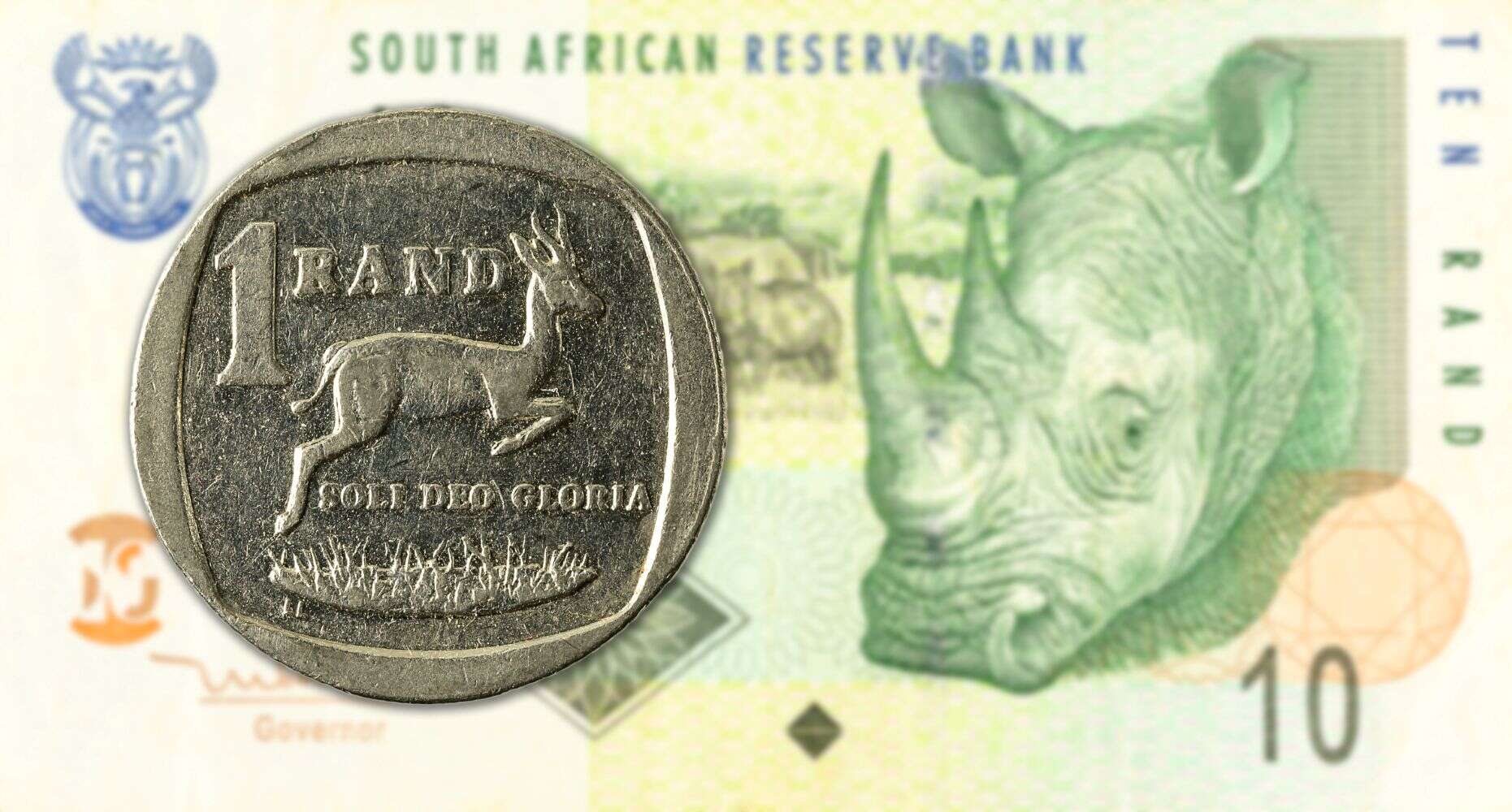
Although the rand averaged R17.98/$ for the year up to the end of November, the past few days had economists and investors paying more attention as the rand dipped to R16.72/$ briefly on Tuesday afternoon, the highest level in three years since January 2023.
The rand already briefly dipped below R17/$ on 13 November, the day after the minister of finance delivered the Medium-Term Budget Policy Statement (MTBPS). But more was to come last week.
Prof. Bonke Dumisa, independent financial analyst, says the rand opened at its the strongest level last Thursday at R16.87/$. He says this is entirely due to the 25 basis points cut in the USA Federal interest rates announced very late last Wednesday.
“We must note that it usually happens that the global markets ‘quick money’ chases the highest bond-yields, and highest real global interest rates usually move to other countries wherever and whenever there are interest rate cuts.
“However, countries must regularly reduce their interest rates whenever there are lower inflation rate expectations as this lowers the costs of doing business in the country, which in turn boosts consumer demand and higher greenfield fixed investments in bricks and mortar projects.”
He points out that the rand reached its strongest level in nearly three years at 5:07pm on Tuesday at R16.72/$.
ALSO READ: The remarkable recovery of the rand in uncertain economic times
Until December rand did not really shoot the lights out
Annabel Bishop, chief economist at Investec, wrote in a note on the rand issued on 1 December that the rand averaged R17.98/$ for the year to date, ahead of the average for 2024 of R18.33/$, but not much stronger, at only a 2.0% appreciation.
“The rand largely ignored developments domestically, strengthening on its own against the US dollar by only 0.5% this year on average to date. December and January tend to see some rand strength as risk aversion drops off to a degree, with this seasonal effect and often thin trade at year-end able to potentially see the domestic currency more successful in piercing the R17.00/$ mark.
“The rand has essentially been flattish this year and last year against the US dollar on average, and over 2026 is expected to pull somewhat stronger but not see very substantial strength currently. The local currency on its own has space to make some gains next year, although politics and trade policy will remain in the spotlight in the US, which will in turn affect global risk sentiment and global financial market risk appetite.”
ALSO READ: US tariff of 30%: Rand weakest in 3 months, thousands of jobs in danger
Rand was expected to strengthen
Nolan Wapenaar, chief investment officer at Anchor Capital, says Anchor has been expecting the rand to strengthen for a while. “In our quarterly webinar held in October, we specifically stated that the rand would likely move into the high R16s against the dollar.
“This is a function of US interest rate cuts weakening the dollar, the high gold price supporting our rand and the continued gradual recovery in South Africa’s outlook. Significant shocks will weaken the rand for a period but without any shocks we think that the rand’s fair value is in the mid R16s and that it could remain below R17 for an extended period.”
Wapenaar points out that the rand staying below R17 will be quite beneficial for the country.
“The stronger rand definitely gave the South African Reserve Bank (Sarb) some scope to cut interest rates. Further currency weakness might well usher in another rate cut. We also see consumer benefit from lower costs of transport as fuel prices come down.”
ALSO READ: Strong rand not reflection of SA’s economic health
What does it mean for consumers?
“Consumers will benefit from the lost cost of imported goods, the lower cost of fuel and likely lower interest rates.”
And the risks for the rand? Wapenaar says their main watchpoints are a global risk-off sentiment due to unexpected events or market downturns.
“We are also watching the terms of trade as South Africa imports oil and exports minerals. A decline of our export prices will see the rand come under pressure.”
He says Anchor Capital remains optimistic about our domestic outlook and expects a slow and gradual improvement. “We think that the rand is a beneficiary of the improved outlook.”
About the Author