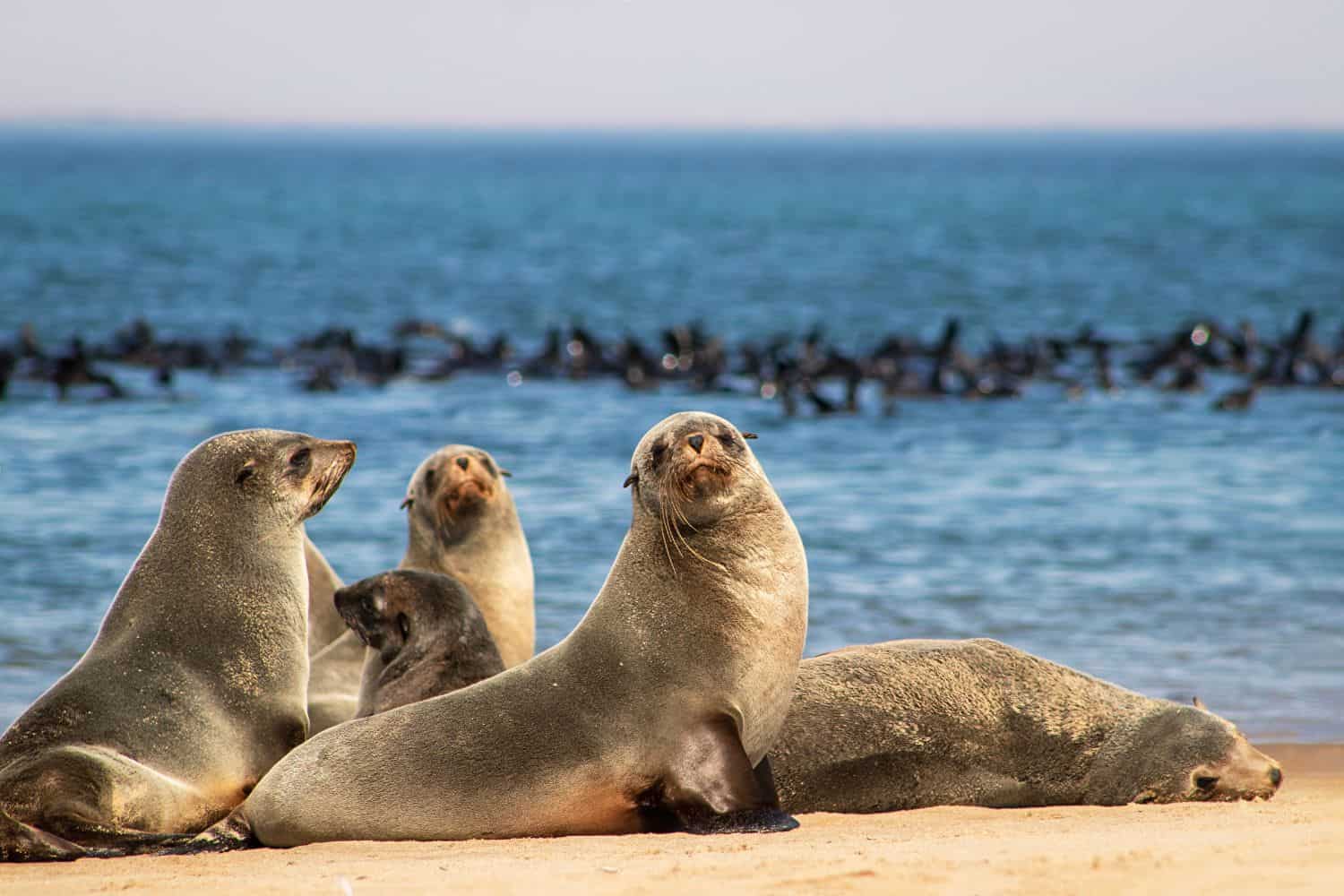
A rabies outbreak among Cape fur seals along South Africa’s coastline has prompted urgent warnings from marine authorities, as the festive season draws more visitors to affected beaches.
The virus has been documented in seal populations across the Northern Cape, Western Cape and Eastern Cape provinces, creating unprecedented safety concerns for coastal communities and holidaymakers alike.
Aggressive nature of infected seals signals danger
Marine biologists report that infected seals display alarming behavioural transformations that make them particularly hazardous to humans.
Pierre de Villiers, senior manager for marine and coasts at Cape Nature, explained the unusual symptoms observed in rabid seals.
“The Cape Fur seal, when infected by rabies, has a very specific behavioural change,” De Villiers said. The infected animals lose their natural wariness of people, which fundamentally alters normal seal-human interactions along the coast.
De Villiers emphasised the aggressive nature of infected seals. “They become fearless of human beings and often can become very aggressive,” he said.
ALSO READ: National water tests show South African rivers are ‘open sewers’
Multiple beach activities at risk
The threat extends beyond casual beach walks to encompass a wide range of coastal recreational activities.
De Villiers warned that various types of beach users need to remain alert to the dangers posed by infected seals.
“This behaviour needs to be taken into consideration when beach users are walking along the beach with their dogs or just for a walk, or canoeing, swimming or surfing,” de Villiers said.
He highlighted that the broad spectrum of activities was potentially affected by the outbreak.
Essential safety measures for the public
The Department of Agriculture stressed that while rabies is invariably fatal once symptoms develop, it remains completely preventable through appropriate precautions.
“Stay alert along our coast: admire Cape fur seals from a safe distance and never approach, touch, or feed seals or stray dogs,” the department warned.
Additionally, it advised constant supervision of children and pets during beach visits. Any unusual animal behaviour should be reported to authorities without delay.
If bitten or scratched by any animal, immediate action is critical. “If bitten or scratched, wash the wound for 15 minutes with soap and running water and seek medical care immediately,” the department added.
These steps are vital in preventing the disease from taking hold.
The department further urged the public to respect wildlife boundaries and maintain vigilance throughout the holiday period.
NOW READ: Why New Year’s Eve is the worst night of the year for pets
About the Author