Efforts to reform Nigeria’s policing system are gaining momentum, with lawmakers developing a new framework to devolve powers while preventing abuse.
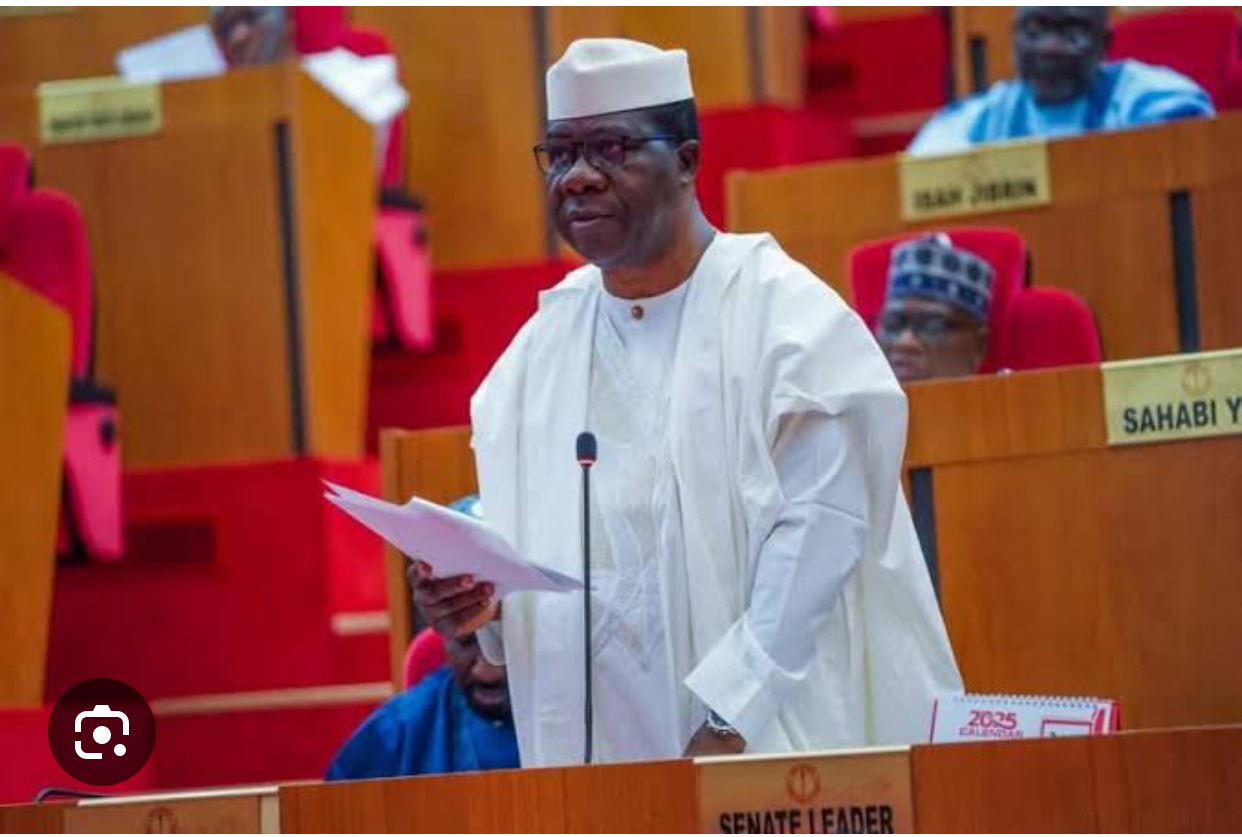
The Leader of the Senate, Opeyemi Bamidele, said the National Assembly is working on a decentralised policing model designed to strengthen accountability and curb misuse by the political class.
He explained that the proposed framework will include strict safeguards to reinforce the justice system, reduce impunity, and protect fundamental human rights.
In a statement marking the 74th birthday of Bola Tinubu, Bamidele, who also serves as Vice Chairman of the Senate Committee on the Review of the 1999 Constitution, said lawmakers are committed to developing a policing structure that serves all Nigerians.
According to him, the initiative aims to devolve policing powers to sub-national governments to enhance security and improve governance, particularly in remote areas.
“The essence of the model is to ensure effective governance across all parts of the country while embedding accountability mechanisms and global best practices”, he said.
Bamidele added that the National Assembly is prioritising the reform as part of broader efforts, in collaboration with the Presidency, to strengthen national security.
The move follows the submission of a comprehensive framework by the Inspector-General of Police to the National Assembly, outlining modalities for the establishment of state police.
The proposal was presented to Deputy Senate President Barau Jibrin, who chairs the Constitution Review Committee.
It recommends a two-tier policing structure comprising a Federal Police Service and State Police Services across the 36 states and the Federal Capital Territory.
Under the plan, the Federal Police would handle national security, terrorism, and interstate crimes, while state police formations would focus on local offences such as domestic violence, homicide, armed robbery, and community policing.
About the Author