Spain has declared three days of national mourning following a devastating high-speed train collision in the country’s south that has claimed at least 40 lives, marking the deadliest rail disaster in more than a decade.
Prime Minister Pedro Sánchez announced the mourning period on Monday, pledging a full, transparent investigation into the circumstances surrounding the crash, which occurred near Adamuz, close to the city of Córdoba.
As rescue teams continue to sift through mangled carriages and twisted steel, hopes of finding additional survivors are fading.
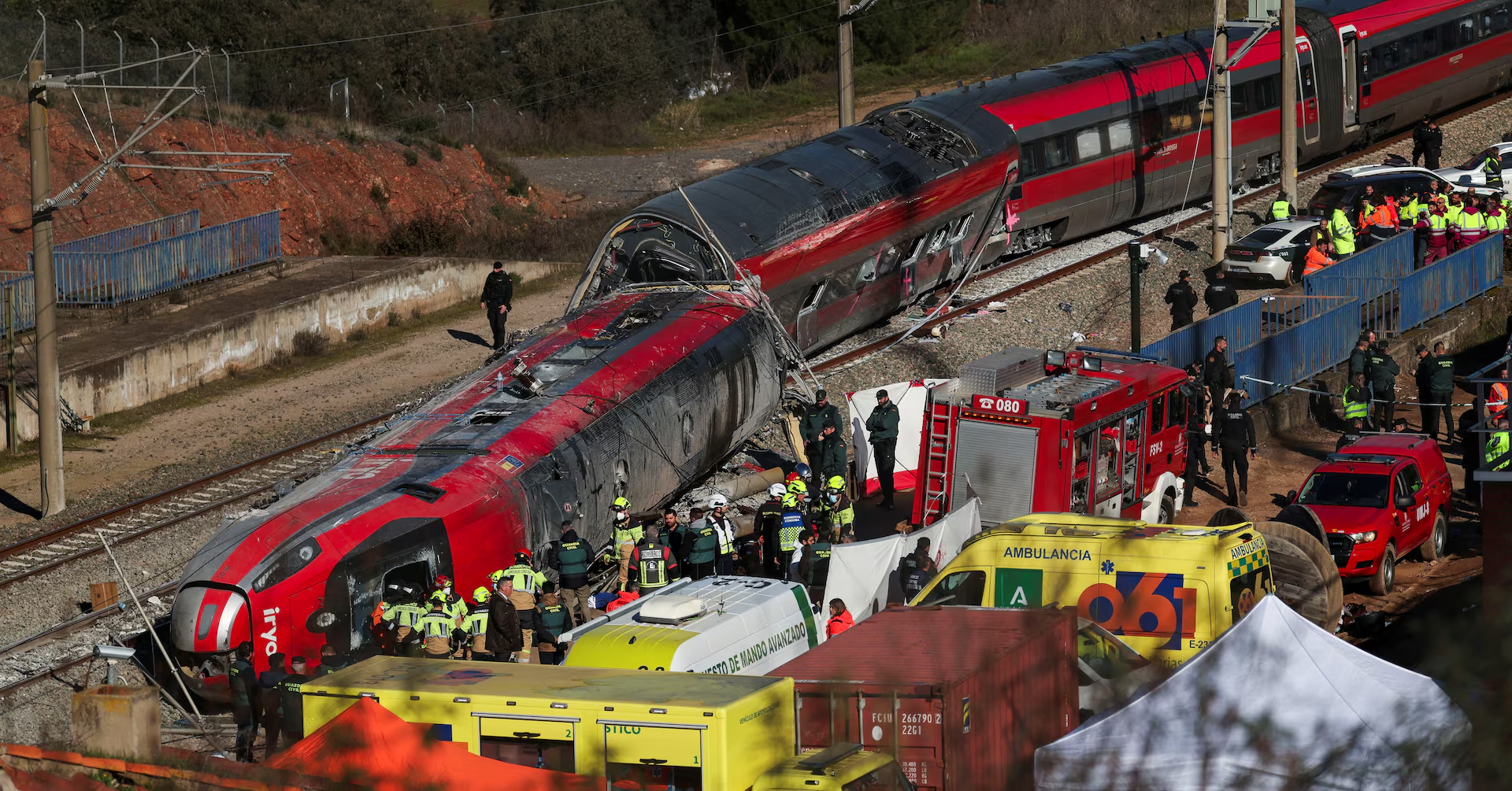
The tragedy unfolded on Sunday evening when a Madrid-bound high-speed train derailed on a straight section of track, crossed onto the opposite line, and collided with an oncoming service travelling south toward Huelva.
Spain’s rail infrastructure operator, Adif, said the crash occurred at 7:45 p.m. local time, about an hour after the Málaga-to-Madrid train departed.
More than 120 people were injured in the collision. According to Transport Minister Óscar Puente, the sheer force of the impact hurled several carriages into a nearby embankment, with the highest number of fatalities and serious injuries concentrated in the front cars of the second train.
Emergency services treated 122 victims, while 41 people remain hospitalised, including 12 in intensive care. Authorities cautioned that the death toll may yet rise as recovery operations continue.
Prime Minister Sánchez visited the crash site alongside senior government officials, describing the incident as a moment of profound national sorrow and vowing to uncover the truth behind the disaster.
An official inquiry is expected to take at least one month, with preliminary reports suggesting a possible fault in a rail joint, though investigators have not yet determined whether this was the cause of the crash or a consequence of it.
High-speed rail services between Madrid and several southern cities remain suspended as engineers assess damage to the network.
King Felipe VI and Queen Letizia expressed their condolences to the families of the victims, while the Spanish Red Cross has mobilised to provide emergency assistance and psychological support to survivors and bereaved relatives.
About the Author